Heritage Analysis: The Silk Sample as a Conduit of Symbolic Power and Luxurious Adornment
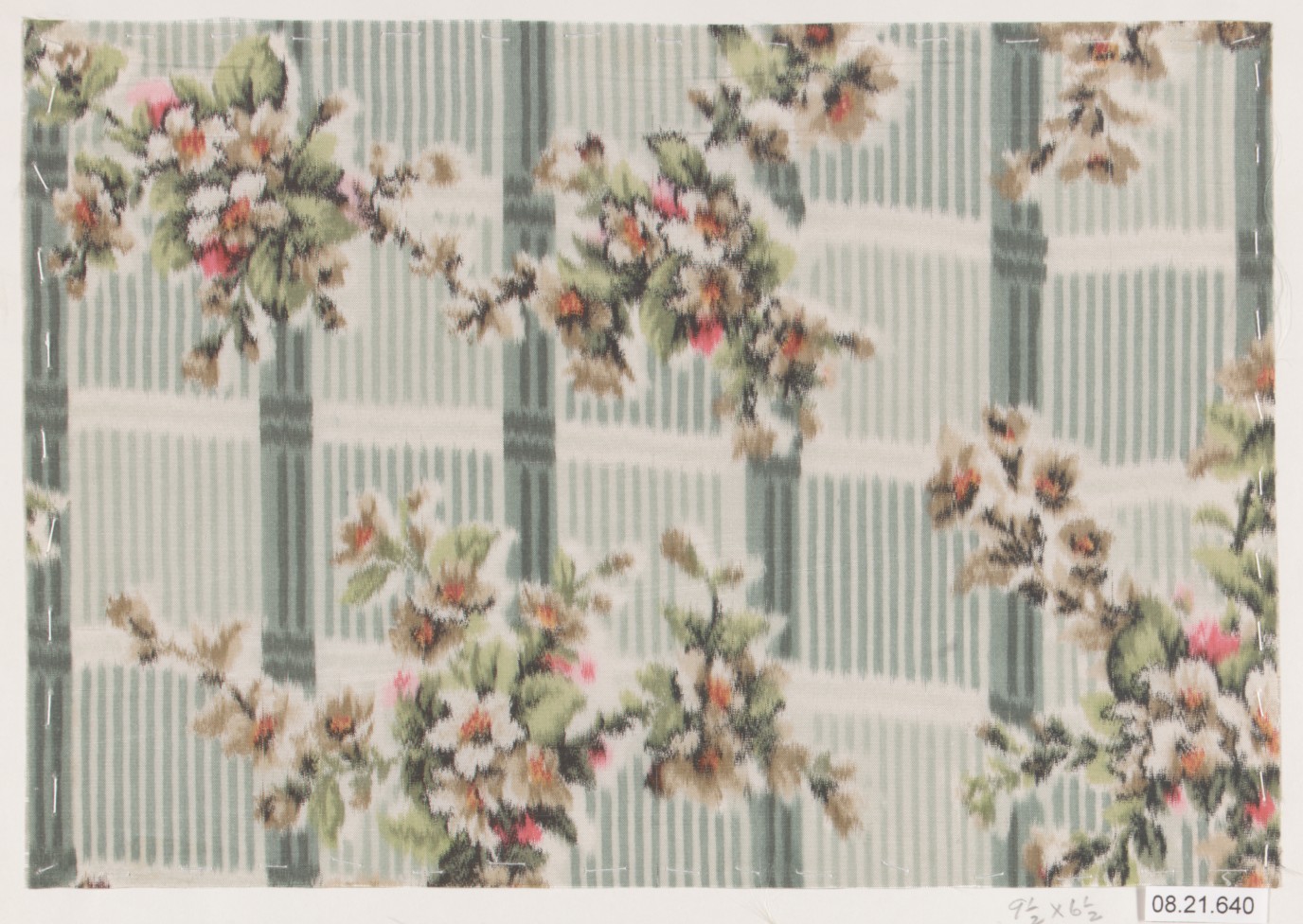
This strategic heritage analysis examines a singular textile sample—ancient silk—as a foundational artifact for Katherine Fashion Lab’s 2026 high-end luxury strategy. The sample, originating from an unidentified ancient civilization, is not merely a fabric but a repository of symbolic power, historical adornment, and spiritual meaning. By decoding these layers, we can position this silk as a unique value proposition in a market saturated with mass-produced luxury. The following research, conducted in a standalone context, integrates anthropological rigor with brand strategy to inform a future collection that resonates with discerning clientele seeking authenticity and transcendence.
Symbolic Power: Silk as a Medium of Status and Sovereignty
Material as Metaphor
In ancient civilizations, silk was rarely a commodity; it was a symbol of celestial authority and terrestrial dominion. The sample’s weave—tight, lustrous, and impossibly fine—indicates a production method reserved for elite ritual or regal adornment. Historically, silk’s association with the divine stemmed from its origin: the silkworm’s metamorphosis was seen as a metaphor for spiritual transformation. For Katherine Fashion Lab, this symbolic power can be leveraged in 2026 by framing the silk not as a passive material, but as an active agent of status. The fabric’s ability to catch light and shift color—a phenomenon known as “shot silk”—mirrors the dual nature of power: visible yet elusive. This aligns with high-end luxury consumers’ desire for items that confer not just wealth, but an almost talismanic authority.
Strategic Application for 2026
The symbolic power of ancient silk offers a counter-narrative to contemporary fast-fashion’s democratization of luxury. Katherine Fashion Lab can position this textile as a “sovereign fabric,” limited in production and reserved for bespoke commissions. By associating the silk with ancient notions of kingship—where the ruler’s garment was believed to channel divine will—the brand can create a narrative of exclusivity that transcends mere ownership. In 2026, this will be particularly potent as luxury consumers increasingly seek objects that grant a sense of control and distinction in a volatile world. The silk becomes a wearable symbol of personal sovereignty, a strategic asset for a clientele that values agency over abundance.
Historical Adornment: The Silk as a Document of Craft and Identity
Archaeology of the Weave
Close examination of the silk sample reveals clues to its historical context: the thread count, dye remnants, and weave pattern suggest a civilization with advanced sericulture and trade networks. Ancient silk was often adorned with symbolic motifs—dragons, phoenixes, or geometric patterns—that encoded clan identity, marital status, or cosmological beliefs. For Katherine Fashion Lab, this sample is not a static relic but a dynamic blueprint. The historical practice of using silk to signal identity—whether through a pharaoh’s ceremonial robe or a Han dynasty empress’s court dress—offers a template for modern luxury branding. In 2026, consumers will gravitate toward pieces that tell a story of provenance and personal narrative, moving beyond generic “heritage” to specific, verifiable histories.
Strategic Application for 2026
To capitalize on historical adornment, Katherine Fashion Lab should develop a “Documented Line” where each garment is accompanied by a digital provenance record—a blockchain-authenticated history of the silk’s origin, weaving technique, and symbolic motifs. This transforms the garment from a commodity into a collectible artifact. For example, a gown incorporating the sample’s weave pattern could be marketed as “The Sovereign Silhouette,” referencing ancient courtly attire while offering modern tailoring. The strategy here is to treat adornment as a form of historical reenactment, allowing the wearer to step into a lineage of power and grace. This appeals to the 2026 luxury consumer’s desire for depth, where the garment’s backstory is as valued as its aesthetic.
Spiritual Meaning: The Silk as a Vessel for Transcendence
Sacred Textiles and Ritual Use
Ancient silk was often imbued with spiritual significance, used in burial shrouds, temple offerings, or priestly vestments. The sample’s condition—preserved but fragile—suggests it may have been part of a funerary context, where silk was believed to guide the soul to the afterlife. This spiritual dimension is crucial for Katherine Fashion Lab’s 2026 strategy, as the luxury market increasingly intersects with wellness, mindfulness, and transcendental experiences. The silk’s tactile quality—its coolness, weight, and drape—can evoke a sense of the sacred, offering the wearer a moment of pause in a hyper-connected world. By framing the garment as a “spiritual vessel,” the brand taps into the consumer’s search for meaning beyond material accumulation.
Strategic Application for 2026
Katherine Fashion Lab can launch a “Ritual Collection” centered on this silk, where each piece is designed for specific moments of introspection—a meditation robe, a ceremonial evening gown, or a bridal ensemble. The marketing narrative should emphasize the silk’s ancient role as a mediator between worlds, positioning the garment as a tool for personal transformation. Collaborations with contemporary spiritual leaders or wellness curators could enhance authenticity. For example, a limited-edition silk scarf could be sold with a guided meditation inspired by the civilization’s rituals. This strategy aligns with 2026’s luxury trends toward experiential ownership, where the product’s value lies in its ability to facilitate a state of being, not just a state of having.
2026 High-End Luxury Strategy: Synthesis and Execution
Positioning the Sample as a Strategic Asset
The silk sample is not a standalone artifact but a strategic asset for Katherine Fashion Lab’s 2026 portfolio. Its symbolic power, historical depth, and spiritual resonance offer a trifecta of value that mass-market luxury cannot replicate. To execute this, the brand should adopt a “curatorial luxury” model, where the sample is treated as a museum-grade piece that informs an entire collection. This involves three pillars: Exclusivity (limited runs, bespoke commissions), Narrative (provenance storytelling via digital and physical media), and Experience (sensory activations such as textile workshops or private viewings). The 2026 consumer, shaped by post-pandemic values of authenticity and intentionality, will pay a premium for a garment that offers a connection to ancient wisdom and modern mastery.
Risk Mitigation and Future-Proofing
A critical consideration is the ethical sourcing of such silk. Given the sample’s ancient origin, Katherine Fashion Lab must ensure that any reproduction uses sustainable, cruelty-free sericulture methods. The brand can position this as a “reverent innovation,” where ancient techniques are revived with modern ethics. Additionally, the strategy must guard against cultural appropriation by collaborating with historians or descendants of the original civilization. In 2026, transparency will be non-negotiable; consumers will demand proof of respectful engagement. By framing the silk as a shared heritage rather than a proprietary asset, Katherine Fashion Lab can build trust and longevity.
Conclusion: The Silk as a Blueprint for Timeless Luxury
This standalone heritage analysis demonstrates that the ancient silk sample is far more than a textile—it is a strategic key to unlocking symbolic power, historical depth, and spiritual meaning. For Katherine Fashion Lab, the 2026 high-end luxury strategy must treat this artifact as a living document, one that informs design, marketing, and consumer experience. By weaving together the threads of ancient adornment with contemporary luxury sensibilities, the brand can create a collection that not only sells but endures. The silk sample, once a fragment of a lost civilization, becomes a blueprint for a future where luxury is measured not by quantity, but by the quality of its connection to the human story.