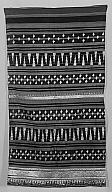
Heritage Analysis: Woman's Ceremonial Skirt (Tapis) from Lampung
Katherine Fashion Lab presents this strategic heritage analysis of the Woman's Ceremonial Skirt (Tapis) from the Lampung culture of southern Sumatra, Indonesia. Crafted from cotton, gold-wrapped thread, silk, and paillettes, this textile artifact embodies centuries of symbolic power, historical adornment, and spiritual meaning. As a standalone research initiative, this analysis explores the Tapis’s cultural resonance and translates it into a high-end luxury strategy for 2026, aligning with Katherine Fashion Lab’s commitment to elevating heritage through modern luxury narratives.
Symbolic Power: The Tapis as a Vessel of Status and Identity
Hierarchical Embroidery and Gold-Wrapped Thread
The Tapis skirt is not merely a garment; it is a statement of social hierarchy. In Lampung society, the use of gold-wrapped thread—often applied in intricate supplementary weft techniques—signaled the wearer’s elevated rank within the community. Gold, a material associated with divinity and wealth, was reserved for ceremonial occasions such as weddings, funerals, and rites of passage. The density and complexity of the gold embroidery directly correlated with the wearer’s status: the more elaborate the pattern, the greater the familial prestige. For Katherine Fashion Lab, this symbolism offers a powerful template for 2026 luxury branding—where material opulence must be paired with cultural authenticity to convey exclusivity and heritage depth.
Paillettes as Luminescent Markers of Power
The inclusion of paillettes—small, reflective disks sewn into the textile—served a dual purpose. First, they amplified the visual impact of the skirt during ceremonial processions, catching sunlight and firelight to create an almost ethereal glow. Second, paillettes acted as protective talismans, warding off negative energies through their reflective surfaces. This interplay of light and protection reinforces the Tapis’s role as a conduit between the physical and spiritual realms. In a 2026 luxury context, paillettes can be reimagined as bespoke, ethically sourced embellishments that not only dazzle but also carry narrative weight, offering clients a sense of empowered identity.
Historical Adornment: Textile Techniques and Cultural Continuity
Cotton and Silk as Foundational Mediums
The Tapis is constructed from a base of hand-spun cotton, often dyed with natural indigo or morinda root, and embellished with silk threads. Cotton provided durability for ceremonial use, while silk—a trade-introduced luxury—denoted cross-cultural exchange with Chinese and Indian merchants. The combination of indigenous cotton with imported silk reflects Lampung’s historical role as a maritime trading hub. For Katherine Fashion Lab, this fusion of local and global materials offers a strategic blueprint for 2026: sourcing rare, heritage-rich fibers from artisanal communities while integrating them with contemporary luxury textiles to create a narrative of cultural convergence.
Techniques of Adornment: Songket and Sulam
The gold-wrapped thread is applied using songket, a supplementary weft technique that creates raised, metallic patterns. Additionally, sulam (embroidery) is used to add floral and geometric motifs, such as the tampuk manggis (mangosteen bud) and pucuk rebung (bamboo shoot), symbolizing fertility and growth. These motifs are not decorative but encoded with ancestral wisdom, passed down through generations. Preserving these techniques is critical for Katherine Fashion Lab’s 2026 strategy, which should emphasize artisanal mastery as a luxury differentiator—offering limited-edition pieces that honor the time-intensive labor of Lampung weavers.
Spiritual Meaning: The Tapis as a Sacred Object
Ritual Function and Ancestral Connection
The Tapis was never worn casually; it was a sacred object activated during rituals. In Lampung cosmology, the skirt served as a bridge between the living and the ancestors. The gold thread was believed to capture spiritual energy, while the paillettes were thought to deflect malevolent forces. During marriage ceremonies, the Tapis was draped over the bride as a blessing for prosperity and fertility. This spiritual dimension elevates the garment beyond fashion into a talismanic artifact. For 2026 luxury strategy, Katherine Fashion Lab can draw on this by positioning the Tapis as a heirloom piece—one that offers emotional and spiritual value in addition to aesthetic appeal.
Color Symbolism and Cosmic Order
The dominant colors of the Tapis—deep indigo, crimson, and gold—correspond to cosmic elements: indigo represents the sky and the divine, crimson signifies life force and bloodlines, and gold embodies the sun and eternal power. The arrangement of these colors in geometric patterns mirrors the Lampung understanding of universal balance. In a 2026 luxury context, color psychology can be leveraged to create bespoke palettes that evoke specific spiritual intentions, offering clients a personalized connection to the garment’s deeper meaning.
2026 High-End Luxury Strategy: Translating Heritage into Modern Opulence
Strategic Positioning: The Tapis as a Heritage Asset
Katherine Fashion Lab should position the Tapis within a curated collection of “Living Heirlooms” for 2026. This strategy involves partnering directly with Lampung artisan cooperatives to produce limited-edition skirts that honor traditional techniques while incorporating modern silhouettes—such as asymmetrical cuts or detachable trains—that appeal to contemporary luxury consumers. Each piece should be accompanied by a digital provenance certificate detailing the weaver’s name, the motif’s meaning, and the cultural context, thereby enhancing transparency and exclusivity.
Material Innovation and Ethical Sourcing
The use of cotton, gold-wrapped thread, silk, and paillettes must be reimagined through a sustainable luxury lens. For 2026, Katherine Fashion Lab should source organic cotton from Indonesian farms, use recycled gold thread, and partner with ethical silk producers. Paillettes can be crafted from biodegradable materials or recycled metals, aligning with global luxury trends toward environmental responsibility. This approach not only preserves the Tapis’s material integrity but also positions the brand as a leader in conscious luxury.
Experiential Marketing and Cultural Storytelling
To resonate with high-net-worth clients in 2026, Katherine Fashion Lab should launch an immersive heritage experience: “The Lampung Ceremony.” This could include private viewings of Tapis pieces accompanied by storytelling sessions with Lampung elders, offering clients a sensory journey into the garment’s spiritual and historical context. Additionally, a digital archive featuring 3D scans of historical Tapis skirts would serve as a research tool and marketing asset, reinforcing the brand’s authority in heritage luxury.
Pricing and Exclusivity
Given the labor-intensive nature of songket weaving—which can take months to complete a single skirt—pricing for a 2026 Tapis collection should start at $15,000 USD per piece, positioning it alongside haute couture. Limited to 50 pieces globally, each skirt would be numbered and accompanied by a care ritual guide that educates owners on the garment’s spiritual maintenance, further deepening the client’s connection to the artifact.
Conclusion: The Tapis as a Blueprint for Heritage Luxury
The Woman’s Ceremonial Skirt (Tapis) from Lampung is more than a textile; it is a repository of symbolic power, historical craft, and spiritual meaning. By analyzing its gold-threaded motifs, paillette protections, and ritual functions, Katherine Fashion Lab can extract a robust luxury strategy for 2026—one that honors cultural authenticity while meeting the demands of modern opulence. Through ethical sourcing, artisanal partnerships, and experiential storytelling, the Tapis can be transformed into a statement piece for the discerning collector, ensuring that Lampung’s heritage not only survives but thrives in the global luxury market.