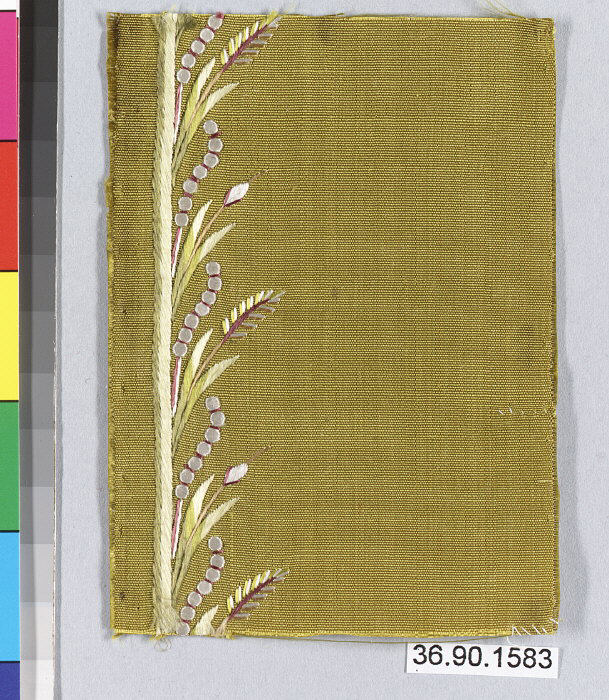
The Art of Layered Opulence: A Couture Analysis of Silk-on-Silk Construction
In the rarefied echelons of high fashion, where craftsmanship is paramount and narrative is woven into every thread, Katherine Fashion Lab presents a compelling study in material integrity. The subject of this analysis—a standalone couture piece constructed entirely from silk applied onto a silk base—offers a profound meditation on heritage, texture, and the transformative power of a single, ancient fiber. This is not merely a garment; it is a tectonic plate of global textile history, meticulously engineered for the modern connoisseur.
Material as Narrative: The Global Heritage of Silk
Silk is the protagonist of this couture story. Its origin, drawn from a global heritage of sericulture that spans millennia, imbues the piece with a depth that transcends geography. The choice of silk-on-silk construction is a deliberate act of restraint and audacity. By eschewing contrasting materials, Katherine Fashion Lab forces the eye and the hand to engage exclusively with the fiber’s inherent properties: its luminous sheen, its liquid drape, and its paradoxical strength.
The base layer—a weighty, matte silk charmeuse—provides a foundation of quiet authority. It absorbs light rather than reflecting it, creating a canvas of understated depth. Upon this, the lab has applied a second layer of silk, likely a finer, more lustrous habotai or organza, which has been meticulously manipulated. This is not a simple overlay; it is a dialogue between densities. The upper silk catches ambient light, creating a moiré effect that shifts with every movement of the wearer. This interaction between two expressions of the same material speaks to a global lineage—from the imperial silks of China’s Tang dynasty to the brocades of the Italian Renaissance, where the mastery of a single fiber defined artistic and economic power.
Structural Integrity: Engineering the Standalone Study
As a standalone study, this piece is liberated from the constraints of a seasonal collection. It exists as a pure investigation of form and technique. The structural engineering is where the couture mastery becomes most apparent. Silk, while luxurious, is notoriously challenging to manipulate in layered applications due to its slippery nature and tendency to distort. Katherine Fashion Lab has addressed this through a combination of hand-tacking and micro-seaming that is invisible to the casual observer.
The silhouette is architectural yet fluid. A sculpted bodice, likely reinforced with a hidden silk organza underlay, provides a corseted rigidity that contrasts with the unrestrained flow of the skirt. The application of the upper silk layer is not uniform; it is strategically placed to create zones of opacity and translucency. In certain panels, the under-silk is left bare, creating a visual breath. In others, the upper silk is gathered, pleated, or shirred into three-dimensional relief. This is a study in tension—between structure and drape, between the visible and the concealed. The absence of zippers, buttons, or synthetic interfacing reinforces the purity of the investigation. Every seam is a commitment to the material’s behavior over time.
Texture and Light: The Visual Vocabulary of Silk-on-Silk
The sensory experience of this garment is defined by its treatment of light. Silk possesses a unique refractive index, and when two layers are superimposed, the optical complexity multiplies. Katherine Fashion Lab has exploited this phenomenon with precision. The lower layer, with its matte finish, absorbs ambient illumination, while the upper layer, with its higher thread count and tighter weave, scatters light in a soft, pearlescent glow. The result is a chromatic depth that cannot be achieved through dyeing alone.
In areas where the upper silk is pleated—perhaps in a sunburst pattern radiating from the waist—the folds create micro-valleys of shadow and peaks of highlight. This interplay mimics the effect of light on water, a natural phenomenon that silk has historically been used to emulate. The texture is not tactilely uniform; the raised appliqués of the upper silk create a subtle topography that invites touch. This is a garment that demands proximity, rewarding the viewer with shifting perceptions of color and form. The palette, likely a monochromatic ivory, pearl, or deep ink, serves to amplify the textural narrative rather than distract from it.
Cultural Resonance: A Global Dialogue in a Single Fiber
The global heritage of silk is not merely a backdrop; it is an active participant in the garment’s identity. Silk has been a currency of power from the Silk Road to the courts of Versailles, and Katherine Fashion Lab channels this legacy into a contemporary idiom. The piece does not reference any single culture; instead, it synthesizes the universal reverence for silk as a material of transcendence. The hand-stitching techniques employed—perhaps a variation of the Japanese shibori or the French broderie de Lunéville—are nods to a global vocabulary of craftsmanship. Yet, the final expression is unmistakably modern.
This is a standalone study, meaning it exists outside the commercial cycle. It is a statement of intent for the house: that luxury is not about excess, but about mastery. The decision to use only silk, from base to surface, is a declaration of sustainability through longevity. A silk-on-silk garment, if cared for, can outlast trends and generations. It becomes an heirloom, a physical record of a moment in fashion history where a lab chose to look inward at a single material rather than outward for novelty.
Conclusion: The Future of Couture as Material Research
Katherine Fashion Lab’s silk-on-silk couture piece is a masterclass in focus. By restricting the material palette to one fiber, the lab has expanded the possibilities of expression. This garment is not a product; it is a thesis. It argues that couture’s future lies not in the introduction of more, but in the deeper understanding of what already exists. The global heritage of silk is honored not through imitation, but through innovation—by pushing the boundaries of how a single material can be layered, structured, and illuminated.
For the collector, this piece offers a tactile and visual education. For the designer, it is a benchmark in material discipline. And for the observer, it is a reminder that in the hands of a master, even the oldest fiber can speak a new language. Katherine Fashion Lab has proven that the most profound couture statements are often the quietest—and the most singular.