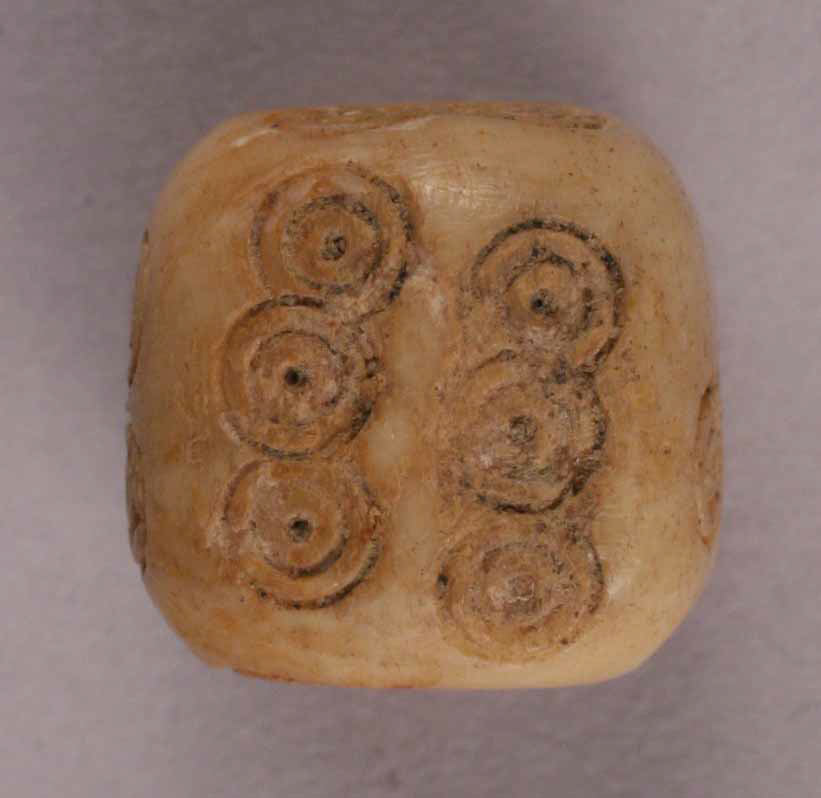
Executive Summary: The Die as a Foundational Object of Fate and Fortune
For Katherine Fashion Lab, heritage is not a static archive but a dynamic lexicon of symbols waiting to be reactivated for the contemporary luxury psyche. This strategic standalone research analyzes the ancient bone die—a primal instrument of chance, fate, and divination—as a potent vector for brand narrative and product innovation. Moving beyond mere gaming, we excavate the die's profound role in historical adornment and spiritual practice, revealing an object that mediated between the human and the divine. This analysis culminates in a forward-looking strategy for 2026, positioning the die not as a trinket of luck, but as a sophisticated emblem of agency, probability, and the elegant acceptance of uncertainty—a core tenet for the modern high-net-worth individual. The transformation of incised bone into precious metal and gemstone becomes a metaphor for Katherine Fashion Lab's alchemy: distilling ancient cultural capital into definitive luxury statements.
Archaeological and Anthropological Context: Beyond the Toss
The earliest known dice, dating to circa 2600 BCE from the Indus Valley and Mesopotamian cultures, were fashioned from the astragali (ankle bones) of sheep or goats. This medium—bone—is of primary symbolic importance. It represents a direct, tangible link to the animal realm, the earth, and the ancestral cycle of life and death. The act of incising pips (dots) onto this organic substrate was not merely functional; it was an inscription of order onto randomness, a human imposition of mathematical probability onto the chaos of fate. In ancient civilizations from Rome to China, dice were integral to religious rites and oracle practices. The "cast" of the die was interpreted as a direct message from the gods, a revelation of divine will. Thus, from its inception, the die functioned as a sacred tool, a physical interface for negotiating with the unknown.
Symbolic Power and Spiritual Meaning: The Geometry of Destiny
The die’s power is encoded in its immutable geometry. The six faces, with opposing sides summing to seven—a number long imbued with mystical significance—create a self-contained cosmos. Each roll represents a micro-drama of possibility, a moment where fortune (Fortuna, the goddess often depicted with a rudder and a *rota fortunae*, or wheel of fortune) visibly intervenes in human affairs. This symbolism transcends entertainment; it touches on core human anxieties and aspirations regarding control, destiny, and risk. The die embodies the tension between agency (the hand that throws) and fate (the outcome revealed). In spiritual contexts, it was a tool for surrendering to a higher order, for seeking guidance in a world perceived as governed by capricious deities.
Historical Adornment: Talismans of Fortune and Status
The translation of the die from a tool of ritual and play into an object of personal adornment is a critical precedent for luxury strategy. Throughout history, dice have been crafted in precious materials for the elite. Roman dice in ivory, amber, and jet have been discovered, indicating their use as both gaming pieces and personal talismans. In medieval and Renaissance Europe, elaborately carved dice made of bone or ivory, sometimes housed in luxurious containers, were markers of leisure and wealth, often associated with the courtly classes. The die as jewelry, however, signals a deeper function: the internalization of its symbolic power. Worn on the body, it becomes a permanent amulet, a constant reminder and invitation for fortune’s favor. It transforms the wearer into an active participant in their own narrative of chance, carrying a distilled symbol of risk and reward as a intimate companion.
From Incised Bone to High Jewelry: A Material Lexicon
Katherine Fashion Lab’s translation begins with the material narrative. The evolution from incised bone to high jewelry establishes a heritage of refinement and permanence. The "incised" mark becomes the precise setting of pavé diamonds or colored gemstones. The organic, porous bone is reimagined in solid white or rose gold, platinum, or blackened titanium—materials that speak to contemporary resilience and value. The pips, once carved, are now defined by gemological brilliance: black onyx for stark contrast, rubies for passionate risk, sapphires for calculated wisdom. The form, however, remains instantly recognizable, creating a powerful dialogue between ancient archetype and modern execution.
2026 High-End Luxury Strategy: The Calculus of Chance
For the 2026 luxury landscape, where consumers seek depth, authenticity, and intellectual resonance alongside craftsmanship, the die offers a multifaceted platform. The strategy moves from "luck" to "agency."
Core Collection: "The Calculated Risk"
Launch with a foundational high-jewelry collection of singular dice pendants, signet rings, and cufflinks. Each piece is a self-contained world, with gem-set pips following the ancient opposite-face sum of seven. Marketing narratives will focus on the "wearer’s throw"—the idea that donning the piece is a daily, conscious embrace of life’s probabilities. Limited editions can feature rare dice shapes (Roman "long dice") or materials like fossilized ivory alternative or meteorite iron, directly linking to ancient mediums and cosmic fortune.
Narrative and Experiential Activation
Develop a proprietary brand mythology around "The House Odds," reframing Katherine Fashion Lab as the house that masters chance. Client events can incorporate sophisticated probability-themed salons or private viewings of ancient gaming artifacts in partnership with museums. The digital strategy should include elegant, interactive content exploring the history of chance and design, positioning the brand at the intersection of history, mathematics, and art.
Ultra-Luxury Bespoke: "The Loaded Die"
The pinnacle of the strategy is a bespoke service where clients co-create their own "loaded die"—a piece weighted with personal symbolism. The gemstone selection for each face can correspond to significant dates, loved ones’ birthstones, or milestones. The act of design becomes a ritual of setting one’s own intentions, transforming the die from a symbol of random fate into a map of personal destiny. This service caters to the ultimate luxury desire: a completely unique narrative object with profound personal and historical resonance.
Conclusion: Securing the Future by Casting the Past
The ancient bone die, in its stark simplicity, contains a universe of meaning relevant to the modern luxury condition. For Katherine Fashion Lab, its strategic adoption provides a profound and distinctive heritage anchor. By focusing on its origins as a sacred, incised bone object of spiritual consultation, the brand accesses deep narratives of fate and interaction with the unseen. By channeling its history as a talismanic adornment for the elite, it justifies its translation into the pinnacle of jewelry craftsmanship. The 2026 strategy, "The Calculus of Chance," successfully elevates the symbol from casual gaming to a philosophical stance on life and agency. In doing so, Katherine Fashion Lab does not simply sell jewelry; it offers wearable heirlooms that speak to the oldest human dialogue—that between our desire for control and our acceptance of the beautiful, unpredictable roll of destiny.