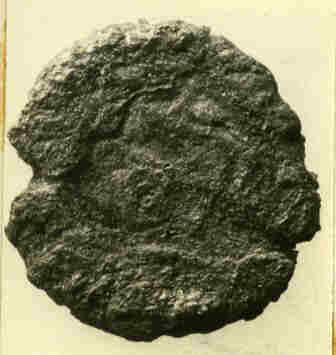
Heritage Analysis: The Copper Coin as a Symbol of Power and Prosperity in Ancient Civilization
In the annals of human civilization, the coin emerges not merely as a medium of exchange but as a profound artifact of cultural identity, spiritual belief, and political authority. For Katherine Fashion Lab, the copper coin from an ancient civilization represents a strategic opportunity to bridge historical depth with contemporary luxury. This analysis examines the symbolic power, historical adornment, and spiritual meaning of the copper coin, culminating in a 2026 high-end luxury strategy that leverages its heritage for brand distinction.
Symbolic Power: The Coin as an Emblem of Authority and Value
The copper coin in ancient civilizations—whether from the Roman Empire, Han Dynasty China, or the Indus Valley—was a declaration of sovereignty. Stamped with the visage of rulers, deities, or sacred animals, the coin communicated power through its imagery and material. Copper, while less precious than gold or silver, was accessible and durable, making it the currency of daily life and ritual. Its symbolic weight lay in its role as a microcosm of the state: a portable emblem of order, trade, and collective prosperity. For Katherine Fashion Lab, this symbolism translates into a narrative of enduring value and authoritative elegance. The coin’s circular form—a universal symbol of eternity, cycles, and unity—resonates with luxury consumers seeking pieces that transcend transient trends. In a 2026 context, the copper coin motif can be reinterpreted as a talisman of personal power, aligning with the modern luxury client’s desire for objects that convey confidence, legacy, and societal relevance.
Historical Adornment: The Coin as a Decorative and Functional Artifact
Beyond its economic utility, the coin was a cornerstone of ancient adornment. Civilizations from the Mediterranean to East Asia pierced or mounted coins to create necklaces, bracelets, and headdresses. In ancient Greece, coins featuring Athena or owls were worn as amulets, while in India, copper coins were sewn into garments as symbols of wealth and protection. This practice of adornment through currency elevates the coin from mere object to wearable art. The patina of aged copper—its greenish hue and textured surface—adds an organic, historical dimension that modern synthetic materials cannot replicate. For Katherine Fashion Lab, this historical precedent offers a rich design vocabulary. The coin’s weight, tactile quality, and visual storytelling can be integrated into luxury accessories—cufflinks, brooches, or belt buckles—that merge function with heritage. By referencing these ancient adornment techniques, the brand can position its pieces as contemporary heirlooms, appealing to clients who value craftsmanship, authenticity, and the patina of time.
Spiritual Meaning: The Coin as a Conduit for Divine and Cosmic Forces
In many ancient cultures, copper coins held profound spiritual significance. The metal itself was associated with the goddess Venus or Aphrodite in Greco-Roman traditions, symbolizing love, beauty, and fertility. In Chinese cosmology, copper coins with square holes—representing the Earth—were used in feng shui to attract prosperity and ward off negative energy. The act of giving or receiving a coin was imbued with ritual meaning: it could seal a pact, honor a deity, or mark a life transition. This spiritual dimension transforms the coin into a conduit for intention and protection. For Katherine Fashion Lab, this aspect is a powerful differentiator in the luxury market, where consumers increasingly seek items with metaphysical resonance. A 2026 collection could emphasize the coin as a modern talisman, with each piece carrying a symbolic inscription or design that aligns with the wearer’s aspirations—prosperity, love, or resilience. The copper medium, known for its conductive properties, reinforces this energy-based narrative, appealing to the wellness-oriented luxury segment.
2026 High-End Luxury Strategy: Heritage as a Competitive Edge
To leverage the copper coin’s heritage for 2026, Katherine Fashion Lab must adopt a multi-faceted strategy that integrates historical authenticity with avant-garde luxury. The following actionable pillars form the foundation:
1. Curated Heritage Storytelling: Each piece should be accompanied by a narrative card or digital experience detailing its ancient origins, symbolic meaning, and the specific civilization it references. This educational layer adds intellectual value, positioning the brand as a curator of cultural memory. For example, a coin-inspired pendant could include a QR code linking to a digital archive of Roman or Han dynasty coinage, enhancing the consumer’s connection to history.
2. Material Innovation with Patina Preservation: While copper is the core medium, the brand should develop proprietary finishing techniques that accelerate or stabilize the natural patina process, creating unique, non-replicable surfaces. This aligns with the luxury market’s appetite for imperfect perfection and organic aesthetics. Limited-edition pieces with certified patina patterns—each one-of-a-kind—can command premium pricing.
3. Limited-Edition “Talisman” Collections: Drawing from spiritual meanings, launch seasonal collections focused on specific intentions: “Prosperity,” “Protection,” or “Transformation.” Each collection would feature coins inscribed with ancient symbols (e.g., the Roman laurel wreath for victory, the Chinese bagua for harmony). Collaborations with contemporary spiritual advisors or historians can lend credibility and exclusivity.
4. Experiential Retail and Pop-Up Installations: In flagship stores or exclusive pop-ups, create immersive environments that mimic ancient marketplaces or temples. Customers can “strike” their own copper coin using a replica ancient press, choosing their symbol and inscription. This hands-on experience builds emotional attachment and generates user-generated content for social media.
5. Strategic Pricing and Scarcity: Position the copper coin pieces at a high price point to reflect their heritage and craftsmanship. Use a numbered edition system (e.g., “1 of 500”) and a waitlist model to create scarcity. The brand can also offer a “Legacy Service,” where customers can return their coin piece for re-patination or re-inscription after a decade, reinforcing the idea of an heirloom that evolves with time.
6. Cross-Cultural Collaborations: Partner with museums or archaeological institutes to co-create collections that highlight specific ancient civilizations—for instance, a “Silk Road” series featuring coins from Greco-Bactrian or Kushan empires. This collaboration adds institutional credibility and access to rare design references, appealing to the culturally literate luxury consumer.
Conclusion: The Copper Coin as a Blueprint for Timeless Luxury
The copper coin of ancient civilization is not a relic but a living symbol of power, adornment, and spirituality. For Katherine Fashion Lab, it offers a rich tapestry of meaning that can be woven into a 2026 luxury strategy grounded in heritage, authenticity, and emotional resonance. By honoring the coin’s historical weight while innovating in material and experience, the brand can capture a discerning clientele that values depth over display. In an era of mass production, the copper coin stands as a testament to the enduring power of craft, culture, and intention—a blueprint for luxury that is both timeless and transformative.