Theatricality and Texture: Deconstructing the Curtain as Couture
In the lexicon of fashion, few motifs carry the layered symbolism of the curtain. It is a threshold, a veil, a revealer and concealer. At Katherine Fashion Lab, the curtain is not merely a decorative reference but a structural and philosophical foundation. This analysis dissects a singular couture piece—a gown conceived from embroidered net, rooted in a global heritage of textile artistry, and executed as a standalone study. The garment transcends its theatrical origins to become a meditation on movement, transparency, and the architecture of the body.
Heritage as a Design Imperative
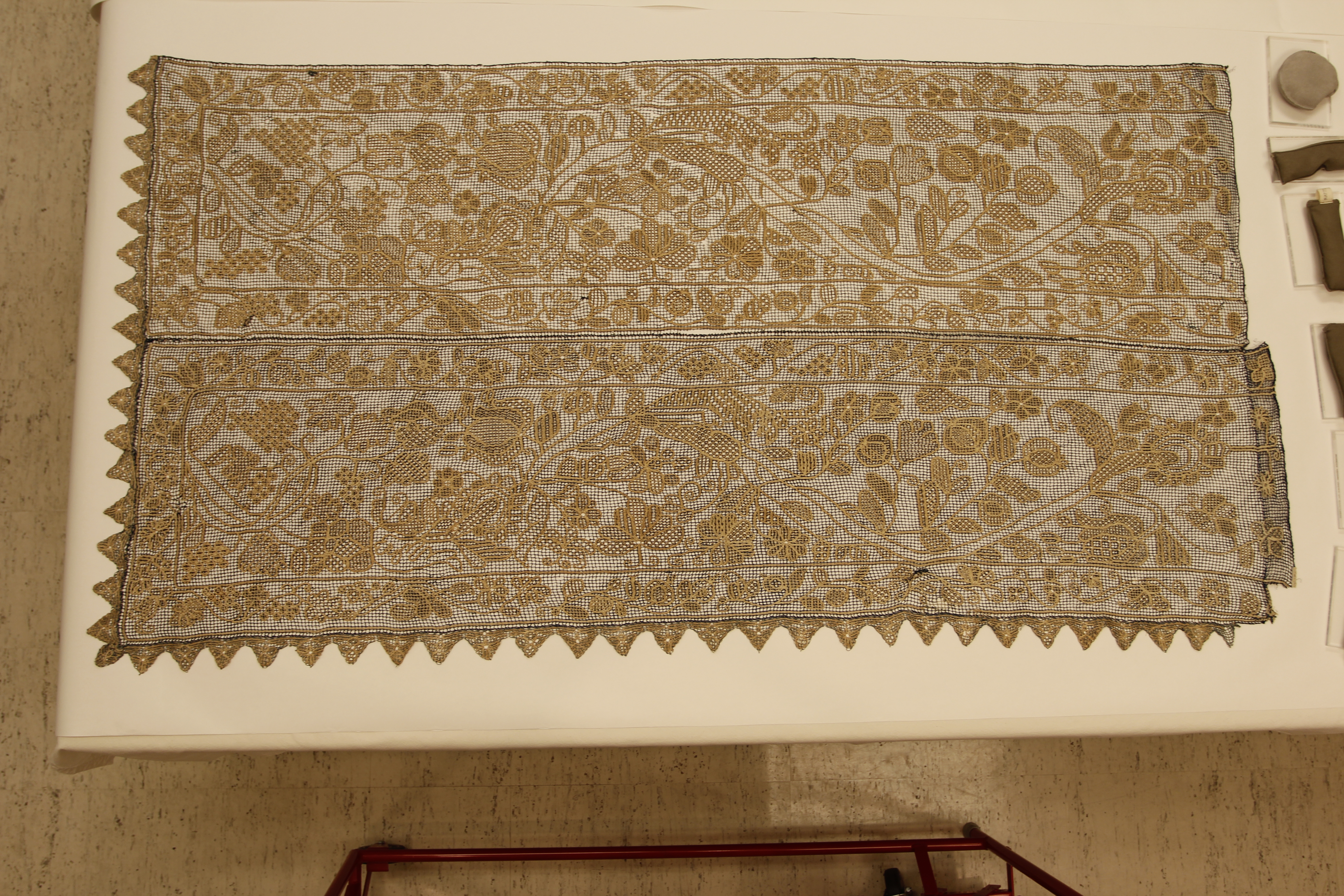
The term “global heritage” in this context is not a vague nod to eclecticism but a deliberate curatorial stance. The embroidered net used in this piece draws from a lineage of handcraft traditions spanning South Asian zardozi, European point d’esprit, and Middle Eastern meshwork. Each thread is a silent ambassador of centuries-old techniques. The net itself is a lattice of cotton and silk, hand-embroidered with silver-threaded floral motifs that echo the Mughal charbagh gardens—a symbol of paradise and order. Yet, the design eschews literal cultural replication. Instead, it abstracts these motifs into a rhythmic pattern that flows like a digital wave, suggesting a dialogue between heritage and modernity.
This approach demands a redefinition of “heritage” as a living, adaptable entity. The embroidered net is not a fossilized craft but a dynamic material that breathes with the wearer. The choice of net—a fabric defined by its gaps and voids—is intentional. It mirrors the curtain’s function: to filter light, to create shadows, to invite speculation. The gown’s silhouette, a floor-length column with a dramatic train, amplifies this effect. When the wearer moves, the net’s embroidery catches and refracts light, creating a shifting mosaic that recalls stained glass in a cathedral. Here, the curtain becomes a portal between the sacred and the profane, the private and the public.
Materiality and the Embroidered Net
The embroidered net is the protagonist of this study. Its technical execution is a feat of engineering and artistry. The base net is a hexagonal tulle, chosen for its structural integrity and transparency. The embroidery, applied by hand over 400 hours, uses a combination of silk floss, metallic threads, and tiny glass beads. The motifs—abstracted leaves, geometric lattices, and asymmetrical bursts of flora—are not randomly placed. They follow a Fibonacci-inspired sequence that guides the eye from the shoulder to the hem, creating a sense of organic growth. This is not mere decoration; it is a coded language of form.
The material’s duality is its greatest asset. On one hand, the net is diaphanous, offering a voyeuristic glimpse of the body beneath. On the other, the embroidery creates zones of opacity that act as armor. This tension between exposure and protection is central to the curtain’s metaphor. The gown does not hide the body; it frames it, much like a stage curtain frames a performer. The embroidered net thus becomes a second skin—one that is simultaneously fragile and formidable. In couture terms, this is a masterclass in negative space. The voids between the embroidery are as important as the threads themselves, creating a visual rhythm that is both chaotic and controlled.
Structural Silhouette: The Architecture of Draping
The gown’s silhouette is a study in controlled volume. Unlike traditional curtain-inspired designs that rely on heavy pleats or swags, this piece uses the net’s inherent stiffness to create a sculptural form. The bodice is boned with a custom-molded corset, invisible beneath the net, that provides a rigid foundation. From this anchor, the fabric cascades in a series of asymmetrical panels that mimic the folds of a drawn curtain. The train, which extends nearly three meters, is not a separate appendage but an integral extension of the fabric’s flow. It is anchored at the left shoulder, creating a diagonal line that elongates the torso and adds dramatic tension.
The draping technique is a hybrid of classical drapé à la grecque and modern deconstruction. The panels are not sewn in a linear fashion; they are pinned and stitched in a way that allows the fabric to shift and resettle with each movement. This creates a living garment—one that changes shape as the wearer walks, sits, or gestures. The effect is reminiscent of a theater curtain caught mid-rise, frozen in a moment of anticipation. The hem is left raw, with the embroidery trailing off into loose threads, further emphasizing the piece’s unfinished, organic quality.
Color and Light: A Palette of Shadows
Color in this piece is deliberately subdued to let the texture and light do the work. The base net is a deep charcoal, almost black, while the embroidery transitions from silver to pale gold to a whisper of blush. This monochromatic strategy prevents the garment from becoming a costume. Instead, it reads as a study in chiaroscuro—the interplay of light and shadow. Under gallery lighting, the silver threads catch the light like a spiderweb after rain, while the darker areas recede into the fabric’s depths. The effect is hypnotic, drawing the viewer’s eye into the garment’s layered history.
The choice of dark tones also subverts the typical “curtain” palette of velvets and brocades. This is not a theater curtain; it is a shadow curtain—one that suggests the liminal space between dusk and dawn. The blush accents, barely perceptible, add a whisper of warmth, hinting at the human body beneath the net. This subtlety is a hallmark of Katherine Fashion Lab’s approach: the garment does not shout; it invites contemplation.
Standalone Study: The Garment as Artifact
Positioned as a standalone study, this piece is not intended for mass production or even for a conventional runway. It is a prototype of thought—a material hypothesis about how heritage, material, and form can coalesce. In this context, the gown exists outside the seasonality of fashion. It is an artifact that asks questions: Can a garment be both a curtain and a veil? Can embroidery be both decoration and structure? The answers are embedded in the net’s threads and the silhouette’s architecture.
The study also challenges the traditional hierarchy of couture. By elevating a humble material like net—often relegated to undergarments or veils—to the status of primary fabric, the piece democratizes luxury. The embroidery, while labor-intensive, is not about opulence for its own sake. It is about the precision of craft and the narrative power of pattern. This aligns with a broader shift in contemporary couture toward intellectualism and sustainability. The garment does not rely on rare animal fibers or precious stones; its value lies in the hours of handwork and the conceptual rigor behind its design.
Conclusion: The Curtain as a Threshold
In this analysis, the curtain is not a prop but a protagonist. The embroidered net gown from Katherine Fashion Lab is a testament to the power of material storytelling. It bridges global heritage and modern technique, transparency and opacity, structure and fluidity. As a standalone study, it stands as a critique of fast fashion’s disposability and a celebration of slow, deliberate craft. The wearer of this gown does not simply don a garment; they enter a space of theatrical possibility. The curtain, once drawn, reveals not just a body but a narrative—one that is woven, embroidered, and forever in motion.