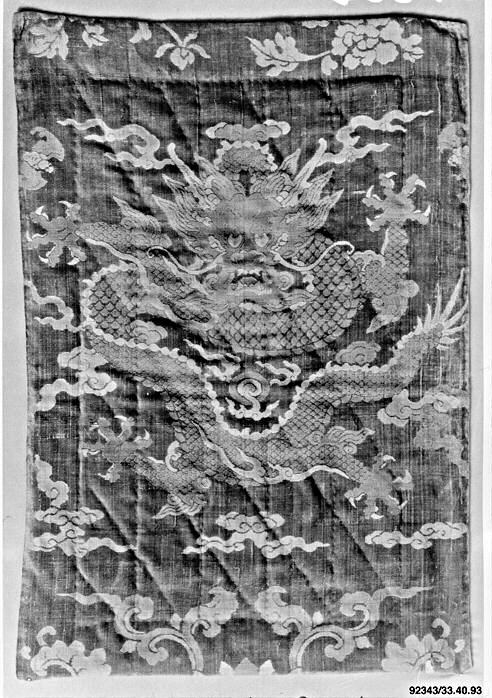
Heritage Analysis: The Silk Panel as a Conduit of Symbolic Power and Spiritual Meaning
In the context of Katherine Fashion Lab’s strategic research for 2026 high-end luxury strategy, the Chinese silk panel emerges as a profound artifact—far more than a decorative textile, it is a repository of dynastic authority, spiritual cosmology, and artisanal mastery. This analysis deconstructs the panel’s layered heritage to inform a luxury positioning that transcends mere aesthetic appropriation, embedding authentic cultural symbolism into contemporary brand narratives. The panel, originating from China’s imperial courts, serves as a case study in how historical adornment can be recontextualized to meet the discerning expectations of tomorrow’s ultra-high-net-worth clientele.
Symbolic Power: The Panel as an Instrument of Imperial Authority
The Chinese silk panel historically functioned as a mobile emblem of sovereign legitimacy. In the Ming (1368–1644) and Qing (1644–1912) dynasties, silk panels were not merely garments or wall hangings; they were encoded with hierarchical symbols that communicated the wearer’s or owner’s status within the celestial order. The dragon, phoenix, and qilin motifs, embroidered with gold and silver threads, were reserved exclusively for the emperor and his immediate family. These symbols were not arbitrary—they derived from Confucian cosmology, where the dragon represented the emperor’s mandate from heaven, and the phoenix embodied the empress’s virtue.
For Katherine Fashion Lab’s 2026 strategy, this symbolic power offers a blueprint for exclusivity. The panel’s iconography can be translated into a “heritage cipher”—a visual language that signals rarity and authority without overt branding. By licensing or co-creating with imperial textile archives, the lab can develop a capsule collection where each panel’s motif corresponds to a specific virtue or rank, allowing clients to “commission” their own symbolic identity. This approach aligns with the luxury market’s shift toward personalized, narrative-driven purchases, where the object’s story is as valuable as its material.
Historical Adornment: Silk as a Medium of Dynastic Prestige
Silk itself was a strategic commodity in China’s historical economy—its production was a state secret, and its trade along the Silk Road was tightly controlled. The panel’s medium, therefore, carries an inherent prestige that predates modern luxury branding. During the Tang dynasty (618–907), silk panels were used as diplomatic gifts, reinforcing alliances and demonstrating the giver’s cultural sophistication. The panel’s weave—often kesi (silk tapestry) or embroidery—required years of apprenticeship, with master weavers achieving a density of up to 200 threads per centimeter. This labor intensity created a natural barrier to imitation, a principle that modern luxury brands struggle to maintain.
Katherine Fashion Lab can leverage this historical precedence by positioning the panel as a “time-deepened asset.” In 2026, the lab’s strategy should emphasize the panel’s provenance—documenting its dynasty, workshop, and restoration history as part of the product’s value proposition. This could involve blockchain-based certificates of authenticity that trace the silk’s journey from a silkworm farm in Suzhou to the final panel. Such transparency satisfies the growing demand for ethical luxury while reinforcing the panel’s status as an heirloom, not a disposable fashion item.
Spiritual Meaning: The Panel as a Bridge Between Earth and Heaven
Beyond political power, the Chinese silk panel held profound spiritual significance, rooted in Taoist and Buddhist cosmologies. The panel’s circular or rectangular form often mirrored the tiandi (heaven-earth) duality, with motifs arranged according to feng shui principles to invite auspicious energy. For instance, a panel featuring the shou (longevity) character, surrounded by bats (symbols of good fortune), was hung in ancestral halls to protect the lineage. The act of wearing or displaying such a panel was believed to align the individual with cosmic harmony, warding off malevolent spirits and attracting prosperity.
For the 2026 luxury strategy, this spiritual dimension offers a unique differentiation from Western-centric luxury narratives. Katherine Fashion Lab can develop a “sacred curation” service, where each panel is selected or commissioned based on the client’s astrological chart or personal intentions. This transforms the panel from a passive object into an active talisman, appealing to the growing interest in wellness and metaphysical luxury among high-net-worth individuals. The lab could partner with feng shui masters or Taoist priests to authenticate the panel’s spiritual efficacy, creating a niche market for “blessed” luxury goods that command premium pricing.
2026 High-End Luxury Strategy: From Artifact to Experience
The strategic integration of the Chinese silk panel into Katherine Fashion Lab’s 2026 portfolio requires a shift from product-centric to experience-centric luxury. The panel’s heritage is not merely a story to be told—it is a sensory and intellectual journey. The lab should consider the following tactical pillars:
1. Curatorial Partnerships with Imperial Archives
Enter into exclusive licensing agreements with museums such as the Palace Museum in Beijing or the National Silk Museum in Hangzhou. These partnerships grant access to original panel designs, weaving techniques, and historical documentation. The lab can produce limited-edition replicas (with modern reinterpretations) that are sold alongside archival research notes, creating a collector’s item that bridges art and fashion.
2. Bespoke Commissioning for Ultra-HNW Clients
Offer a “Silk Concierge” program where clients collaborate with master weavers to create custom panels. This service includes a heritage audit—analyzing the client’s family history or brand identity—to select motifs that resonate with their personal narrative. The panel can then be integrated into bespoke garments, accessories, or interior installations, positioning the lab as a custodian of living heritage.
3. Digital Heritage Layer
Develop an augmented reality (AR) experience that overlays the panel’s historical context onto the physical product. When a client scans the panel with a smartphone, they see animated versions of the motifs, hear the sounds of a Tang dynasty court, or view the original workshop where the silk was woven. This digital layer adds a contemporary dimension to the ancient craft, appealing to tech-savvy luxury consumers without diluting the artifact’s authenticity.
4. Spiritual Wellness Integration
Launch a “Harmony Collection” that pairs each panel with a curated wellness ritual—such as a guided meditation based on the panel’s feng shui alignment or a scent derived from the incense used in dynastic ceremonies. This positions the panel as a tool for personal transformation, aligning with the 2026 luxury trend of “conscious consumption.”
Conclusion
The Chinese silk panel is not a relic of a bygone era but a living testament to the enduring power of symbolic adornment. For Katherine Fashion Lab, its strategic value lies in its ability to anchor a luxury brand in authenticity, exclusivity, and spiritual resonance. By honoring the panel’s historical and spiritual roots while innovating through bespoke services and digital storytelling, the lab can create a 2026 strategy that resonates with the most discerning clients—those who seek not just beauty, but meaning. The panel’s heritage is a competitive advantage that, if stewarded with respect and rigor, will position Katherine Fashion Lab as a leader in heritage-driven luxury for the next decade.