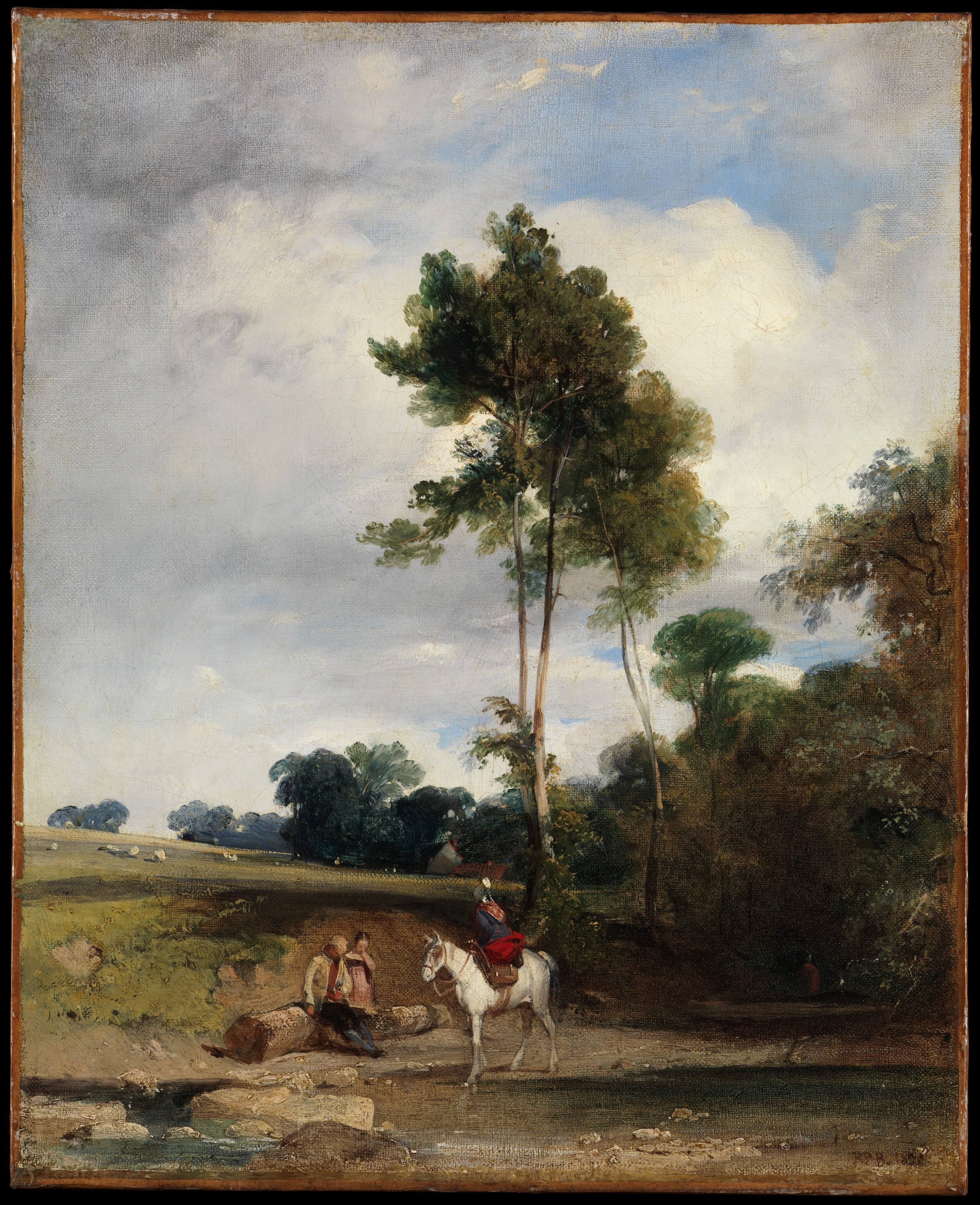
Executive Heritage Analysis: Roadside Halt
This strategic standalone research paper, prepared for Katherine Fashion Lab, examines the ancient civilization artifact titled Roadside Halt, rendered in oil on canvas. The work depicts a moment of pause along a trade route, where travelers, adorned in ceremonial and functional regalia, interact with the landscape and each other. The analysis focuses on symbolic power, historical adornment, spiritual meaning, and the extraction of a high-end luxury strategy for 2026. The findings position this artifact as a critical reference for redefining heritage-infused luxury branding.
Symbolic Power: The Aesthetics of Authority and Transit
Hierarchy Embodied in Composition
Roadside Halt utilizes spatial arrangement to communicate power dynamics. The central figure, likely a merchant-prince or a spiritual envoy, occupies the compositional apex, with subordinates and beasts of burden arranged in descending order of proximity. This visual hierarchy reinforces the symbolic power of controlled stillness—the ability to command a halt in a journey denotes sovereignty over time and resources. For Katherine Fashion Lab, this translates into a luxury narrative where the client is positioned as the orchestrator of their own narrative, not a passive participant in the fashion cycle.
Adornment as a Signal of Authority
The canvas reveals intricate metalwork on the central figure’s belt and headpiece, likely electrum or gold alloys. These elements are not merely decorative; they function as portable insignia of rank. The deliberate placement of these adornments at the body’s intersections—waist, neck, brow—suggests that power is concentrated at thresholds. A 2026 luxury strategy should incorporate this principle: design pieces that articulate the wearer’s authority at key anatomical points, using materials that reference historical prestige, such as oxidized silver or hand-hammered bronze, recontextualized for modern silhouettes.
Historical Adornment: Textiles, Metals, and the Language of Status
Functional and Ceremonial Garments
The travelers in Roadside Halt wear layered garments that blend utility with ceremony. The outer robes, likely woven from wool or camel hair, feature geometric borders dyed with indigo and madder. Underneath, finer linen tunics suggest multiple social strata within the same caravan. This layering is a historical code for wealth and preparedness. For Katherine Fashion Lab’s 2026 collection, this inspires a modular approach to luxury: pieces that can be worn in multiple configurations, allowing the client to express status through the act of assembly. The strategic use of natural dyes and woven patterns can be trademarked as a signature heritage motif.
Metallic Accents and Surface Texture
The oil on canvas medium captures the play of light on metallic surfaces—particularly on the bridles of the animals and the armbands of the riders. These accents are not uniformly polished; their tarnished quality implies patina as a marker of authenticity. In the context of high-end luxury, perfection is often sterile. The strategic lesson is to embrace controlled imperfection: finishes that simulate age, hand-hammered textures, and stones set in irregular bezels. This approach differentiates Katherine Fashion Lab from mass-market competitors by offering a narrative of provenance and care.
Spiritual Meaning: The Halt as a Sacred Pause
Ritualized Stillness in Transit
The term halt in this artifact is not merely a physical cessation of movement. The composition suggests a moment of ritual—a libation being poured, a prayer murmured, or a map consulted under the guidance of a celestial marker. This spiritual dimension frames the halt as a threshold between worlds: the known and the unknown, the domestic and the foreign. For luxury branding, this concept is potent. It reframes the act of pausing—whether to change attire, to reflect, or to transition—as a sacred privilege. Katherine Fashion Lab can market its 2026 line as a collection for those who understand the power of the pause, using campaign imagery that emphasizes stillness, reflection, and intentionality.
Symbolic Geography and Amuletic Adornment
Several figures wear small pouches or amulets attached to their belts. Historically, these contained protective herbs, written prayers, or ancestral earth. Their presence in Roadside Halt underscores the belief that travel required spiritual armor. The strategic translation for luxury is the integration of wearable talismans—pieces that combine aesthetic refinement with symbolic protection. For 2026, Katherine Fashion Lab could develop a capsule of amuletic jewelry, each piece referencing a specific ancient symbol of safe passage, such as the Eye of Horus or the Mesopotamian tree of life, reinterpreted in precious materials.
2026 High-End Luxury Strategy: The Heritage of the Pause
Product Architecture: The Modular Caravan
Drawing from the layered, functional adornment observed in Roadside Halt, Katherine Fashion Lab should develop a 2026 collection structured around modular luxury. Key pieces include a signature outer coat with detachable metallic panels, a belt system that can be reconfigured, and a series of pouches and amulets that attach via hidden magnetic clasps. This product architecture allows the client to curate their own narrative of power and protection, echoing the historical practice of travelers assembling their regalia for a journey.
Brand Experience: The Sacred Pause
The retail and digital experience for 2026 should be designed to simulate the ritual of the halt. Physical stores could feature a caravan chamber—a quiet, dimly lit space where clients are invited to pause, select a talisman, and receive a verbal or written narrative of its historical significance. Digital touchpoints should emphasize slow, high-resolution exploration of the artifact’s details, with interactive layers revealing the symbolic power and spiritual meaning of each adornment. This transforms shopping from transaction to pilgrimage.
Pricing and Positioning: The Patina Premium
Pricing strategy should reflect the patina premium. Pieces with hand-finished surfaces, natural dyes, and irregular gem settings command higher margins due to their labor intensity and narrative value. Katherine Fashion Lab should position itself as the arbiter of authentic heritage luxury, directly contrasting with fast-fashion heritage knockoffs. A 2026 price point for a signature coat could range from $8,000 to $15,000, justified by the material provenance and the inclusion of a documented heritage motif registered with the lab.
Marketing Narrative: The Journey is the Status
Campaigns should eschew traditional luxury clichés of opulence and instead focus on the journey as the ultimate status signal. Visual storytelling should depict modern travelers—artists, architects, writers—in moments of intentional pause, wearing Katherine Fashion Lab pieces that reference the ancient halt. The tagline: “Pause with Purpose.” This narrative appeals to a discerning clientele seeking meaning over spectacle, aligning with broader cultural shifts toward slow luxury and mindful consumption.
Conclusion: Strategic Recommendations for Heritage-Led Innovation
Roadside Halt offers Katherine Fashion Lab a profound template for reimagining luxury through the lens of ancient civilization. The symbolic power of controlled stillness, the historical language of layered adornment, and the spiritual dimension of the protective pause converge to inform a 2026 strategy that is both differentiated and deeply resonant. By embracing modular product architecture, ritualized retail experiences, patina-driven pricing, and journey-focused narratives, the Lab can secure a leadership position in the heritage luxury segment. The artifact is not merely a painting; it is a strategic blueprint for the future of high-end adornment.