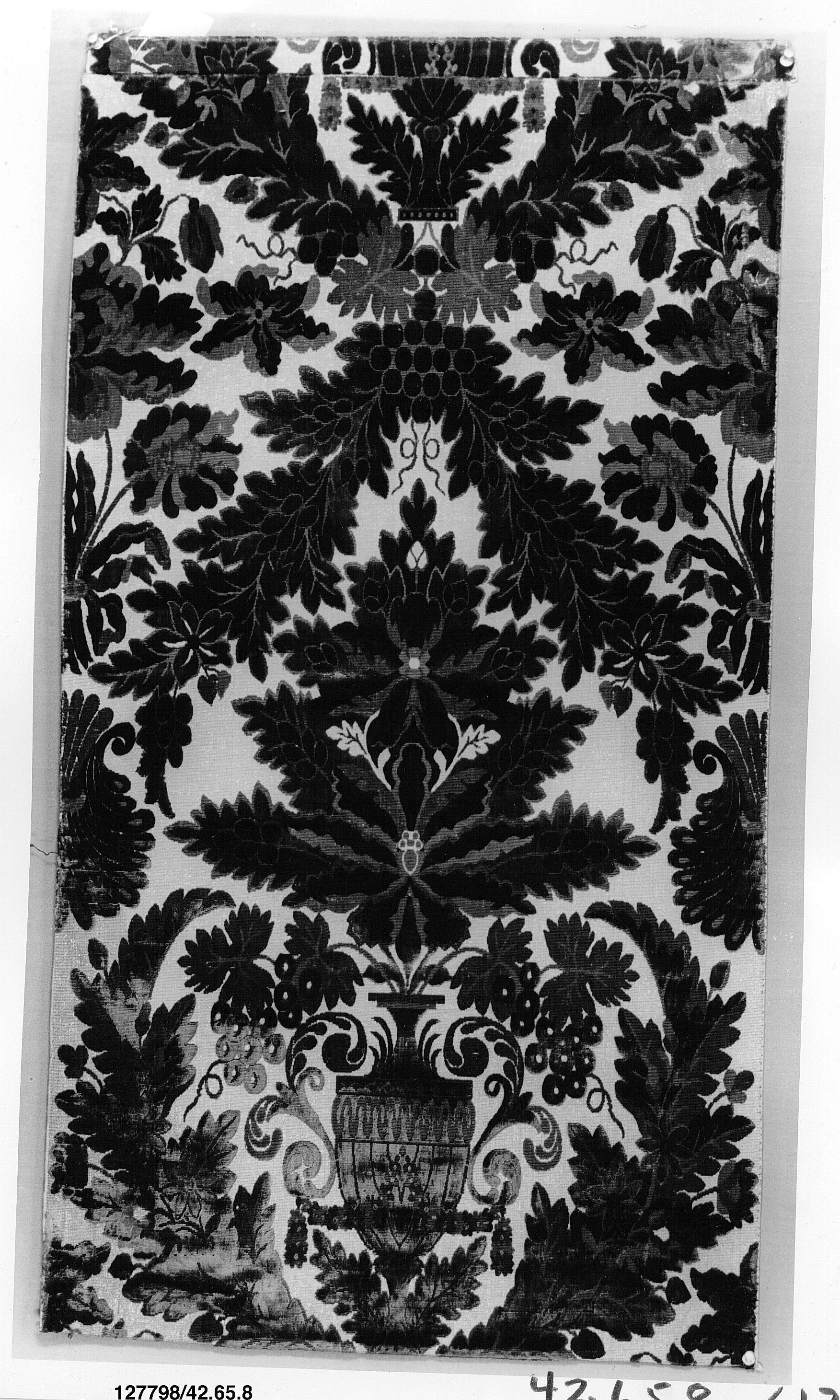
Deconstructing the Panel: A Study in Architectural Silhouette and Cultural Memory
Within the rigorous atelier of Katherine Fashion Lab, the concept of the Panel is elevated from a mere construction element to a foundational principle of narrative and structure. This standalone study, focusing on the interplay of Silk and metal thread sourced from a Global Heritage context, dissects the panel not as a passive fragment, but as an active agent of meaning. It is the irreducible unit from which identity is assembled, a canvas upon which history and innovation perform a delicate dance. The panel becomes a microcosm of the Lab's philosophy: where the weight of heritage is not carried as a burden, but woven into the very fabric of forward-looking design.
The Dialectics of Material: Silk and Metal Thread
The specified material palette—Silk and metal thread—establishes an immediate and potent dialectic. Silk, a material of profound heritage with origins tracing to ancient China and routes along the Silk Road, embodies fluidity, sensuality, and organic luxury. It is a symbol of cultural exchange, a soft, whispering testament to human craftsmanship. Conversely, metal thread—whether gilt membrane wrapped around silk core or fine drawn wire—introduces rigidity, luminosity, and a sense of permanence. It speaks of armor, of ecclesiastical grandeur, of Byzantine mosaics and Indian zardozi, where light is literally woven into garment.
At Katherine Fashion Lab, this juxtaposition is not merely aesthetic but deeply conceptual. The silk represents the mutable, corporeal self—the body and its soft vulnerabilities. The metal thread signifies the imposed structure, the social carapace, and the enduring legacy that shapes individual and collective identity. In a single panel, we witness the tension between the yielding and the unyielding. The metal thread, when embroidered upon the silk, becomes a drawing in light, a means of writing history onto a pliant surface. It can constrain, like a gilded cage, or it can amplify, catching light to illuminate the silk's inherent depth and color. This material dialogue is the core text from which the narrative of the panel is written.
Global Heritage as a Palimpsest, Not a Patchwork
The Global Heritage origin directive is crucial to interpreting this study. For the Lab, heritage is not a repository of frozen iconography to be appropriated, but a living, breathing palimpsest—a layered text where meanings accumulate and interact. A single panel in this study may conceptually contain the geometric precision of a Japanese kumihimo braid, the figurative storytelling of a Chinese silk tapestry (kesi), the sacred geometry of an Islamic girih pattern, and the bold symbolism of a West African kente strip.
The genius lies in the synthesis. The panel is not a pastiche of these elements but a recomposition at a molecular level. The structural integrity of a Mughal jali (stone screen) might inform the laser-cut perforations in the silk, later bound with metal thread in a technique reminiscent of French point de Beauvais. The heritage is in the grammar of making, not just the vocabulary of motifs. This approach acknowledges the interconnectedness of human creativity, positioning the panel as a nexus point in a global network of artisan intelligence. It carries the memory of the hand-loom, the court tailor, and the nomadic embroiderer, translating it through the precise, analytical lens of contemporary haute couture.
Architectural Autonomy: The Panel as Standalone Entity
The "Standalone study" context liberates the panel from its traditional destiny as a component of a larger garment. Here, it is analyzed as a complete, self-sufficient artifact. This forces a radical reconsideration of its function and expression. Every edge—whether selvage, bias-cut, or finished with metal-thread couching—becomes a frontier. The panel's relationship to the body is implied, not prescribed; it may be a chest plate, a back panel, a floating side insertion, or an object for the wall.
This autonomy amplifies the panel's symbolic weight. It becomes a heraldic device, a shield of identity. The composition within its boundaries must hold complete visual and conceptual balance. The Lab explores how density of metal-thread work can anchor one corner, while vast expanses of raw silk, perhaps Shantung or organza, breathe in another. It investigates how a single panel can tell a complete story of tension and release, tradition and rupture. The standalone panel is a manifesto in miniature, a concentrated dose of the Lab's entire design ethos, proving that profound narrative complexity can reside within defined, architectural parameters.
Conclusion: The Synthesis of Legacy and Line
This couture analysis reveals that for Katherine Fashion Lab, the Panel is the essential building block of a deeper intellectual project. Through the alchemy of Silk and metal thread, it physicalizes the dialogue between the organic and the constructed, the ephemeral and the eternal. By engaging with Global Heritage as a dynamic, synthesized force, it avoids nostalgia and instead forges a new lineage—one that is consciously assembled, critically examined, and proudly worn.
The final panel is therefore more than a beautiful object; it is a thesis on contemporary identity. It argues that we are all composed of panels—fragments of history, culture, memory, and aspiration—that we assemble into a coherent self. The metal thread is the through-line of continuity, the inherited narratives that shape us. The silk is our personal agency, the unique substrate that receives and transforms those narratives. In mastering the panel, Katherine Fashion Lab masters the very art of constructing meaning, offering not just clothing, but a sophisticated language for being in a complex, interconnected world.