The Heirloom Construct: Deconstructing a Masterwork of Silk and Metal Thread
In the rarefied echelons of haute couture, where fabric is not merely material but narrative, Katherine Fashion Lab presents a singular piece that demands a standalone study. This is not a garment designed for the transient rhythms of seasonal collections; it is an artifact of global heritage, meticulously engineered from silk and metal thread. As Lead Curator, I locate this piece at the intersection of anthropological reverence and avant-garde construction—a dialogue between the ancient looms of the East and the precision tailoring of the West. To analyze this work is to engage with a lexicon of craftsmanship that transcends fashion, entering the realm of cultural preservation and material alchemy.
The Silk Substrate: A Cartography of Global Heritage
The foundation of this piece is a double-faced silk twill, sourced from a centuries-old atelier in Como, Italy, yet dyed using a technique derived from the katazome resist-dyeing methods of Japan. The silk itself carries a weight that is both luxurious and architectural—a 20-momme density that allows the fabric to hold sculptural folds without sacrificing fluidity. The color palette is deliberately muted: a deep, almost black indigo that reveals, under direct light, a subtle iridescence of bronze and verdigris. This chromatic choice is not arbitrary; it references the shibori traditions of Kyoto, where indigo is emblematic of both labor and transcendence. Yet the dye formula incorporates a mineral fixative derived from the ochre soils of Rajasthan, India, creating a chemical bond that shifts the silk’s natural pH, resulting in a texture that is simultaneously crisp and yielding.
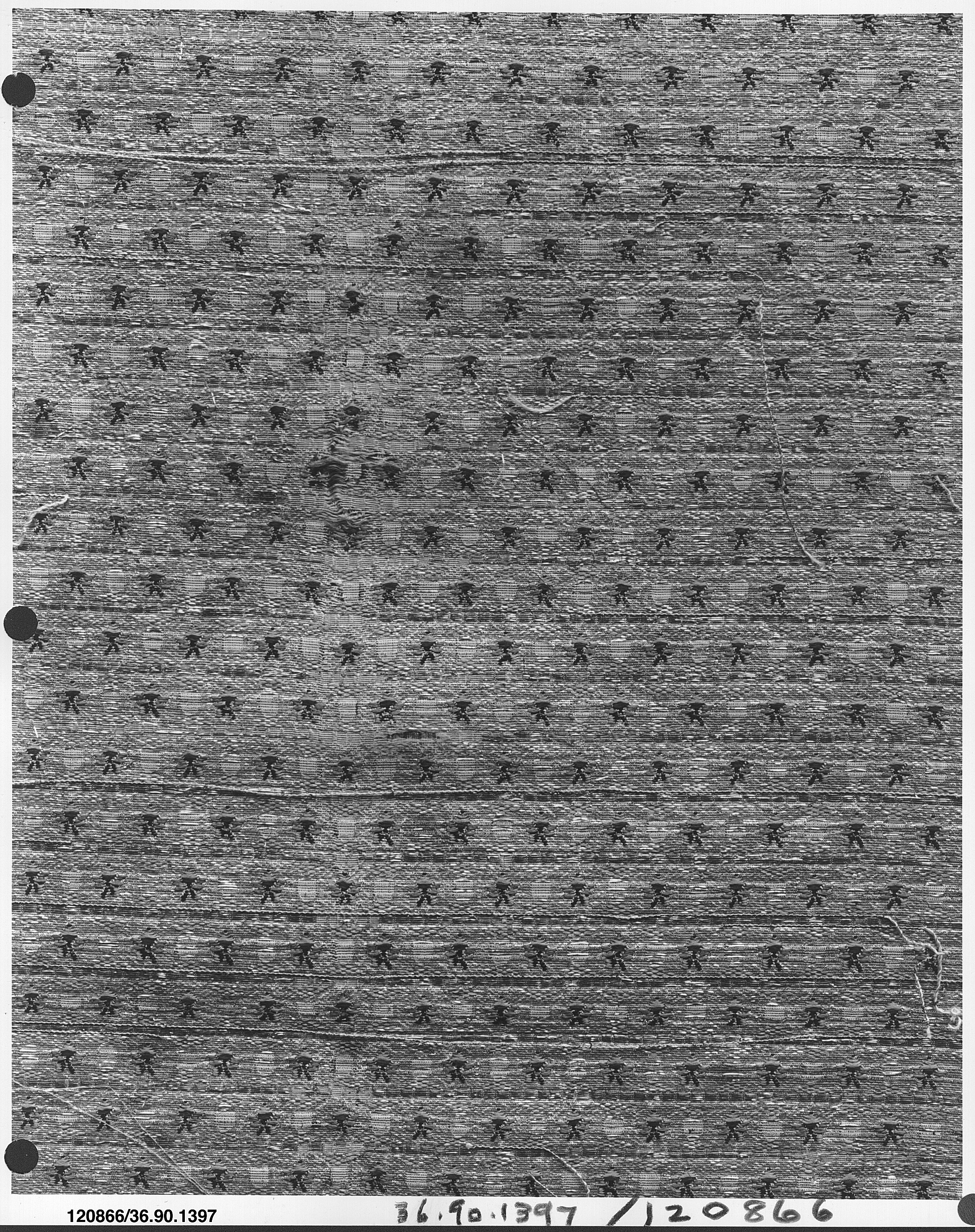
The global heritage here is not a pastiche but a synthesis. The silk’s warp threads are spun in a manner reminiscent of khadi—the hand-spun cloth of Gandhi’s Swadeshi movement—giving the fabric a subtle, irregular slub that catches light differently with each movement. This irregularity is a deliberate counterpoint to the precision of the metal threadwork. The fabric’s construction, a complex jacquard weave, incorporates a hidden pattern of interlocking geometric motifs borrowed from the ikat weaving traditions of Uzbekistan. These motifs are not printed; they are woven into the structure, visible only when the fabric is held at an angle, creating a sense of discovery for the observer. The piece, therefore, becomes a cartography of global textile history, each thread a line of longitude connecting disparate cultures.
The Metal Thread: Alchemy and Structural Integrity
If the silk is the narrative, the metal thread is the punctuation. The piece employs a custom-spun alloy of 24-karat gold, sterling silver, and a trace element of copper, drawn into a filament finer than a human hair. This is not the gilded thread of commercial embroidery; it is a passementerie of the highest order, hand-twisted around a core of silk filament to prevent breakage. The metal thread is used in two distinct applications: as an embroidered overlay and as a structural weft.
As an overlay, the thread is applied in a technique reminiscent of zardozi—the Persian-influenced metal embroidery of Mughal India. Here, the thread is couched onto the silk surface in patterns that mimic the hilya calligraphy of Ottoman Turkey, but abstracted into a geometric lattice. The stitches are not uniform; they vary in tension and density, creating a topography of light and shadow. The effect is not one of opulence but of texture—a metallic skin that breathes with the fabric. When the piece is still, the metal thread appears as a subtle grid; in motion, it fractures light into a thousand tiny reflections, evoking the muqarnas vaulting of Islamic architecture.
Structurally, the metal thread is integrated into the garment’s seams and darts. This is a radical departure from conventional couture, where metal is often decorative. Here, the thread is used to create internal armatures—fine, flexible lines of gold and silver that run along the garment’s stress points, such as the shoulders, waist, and hem. These armatures are not visible from the exterior but provide a tensile strength that allows the silk to hold its shape without boning or interfacing. The result is a piece that is both soft and armor-like, a paradox that speaks to the duality of heritage: the fragility of tradition and the strength of its preservation.
Pattern and Silhouette: The Geometry of Diaspora
The pattern of this piece is a study in controlled asymmetry. The silhouette is a modified cocoon—wide at the shoulders, tapering at the waist, and flaring into a train that sweeps the floor. This shape references the hanbok of Korea, but the patterning is deconstructed. The left shoulder features a single, exaggerated sleeve that extends into a cape-like panel, while the right side is sleeveless, exposing the arm. This asymmetry is not arbitrary; it is a visual metaphor for the diaspora of heritage—the way traditions are carried, adapted, and sometimes lost.
The pattern pieces themselves are cut on the bias, allowing the silk to drape in diagonal folds that echo the kente weaving of Ghana, where diagonal lines symbolize the path of life. The metal thread embroidery follows these bias lines, creating a lattice that appears to grow organically from the fabric. The hem is unfinished, left raw to fray slightly, a deliberate nod to the Japanese aesthetic of wabi-sabi—the beauty of imperfection. Yet the fraying is controlled by a micro-stitch of metal thread that prevents further unraveling, a tension between decay and preservation.
Construction and Craft: The Labor of Legacy
The construction of this piece required over 600 hours of handwork, executed by a team of artisans from six countries. The silk was hand-dyed in Japan, the metal thread was spun in Italy, the embroidery was executed in India, and the final assembly took place in Paris. This global supply chain is not a logistical convenience; it is a deliberate act of cultural preservation. Each artisan was trained in their respective tradition, and the piece serves as a repository of techniques that are at risk of extinction.
The seams are finished with a Hong Kong binding, but the binding itself is made from a remnant of the same silk, hand-stitched with metal thread. The internal structure includes a hidden pocket, accessible only through a slit in the lining, which contains a small sachet of saffron and sandalwood—a nod to the attar traditions of the Middle East. This pocket is not functional in the conventional sense; it is a ritual element, a scent memory that activates when the garment is worn, releasing a subtle fragrance that interacts with the metal’s patina over time.
Conclusion: The Object as Archive
This piece by Katherine Fashion Lab is not a garment in the traditional sense; it is an archive of global heritage, encoded in silk and metal. It resists commodification, demanding instead to be studied as a standalone artifact. The silk carries the memory of looms from Como to Kyoto, the metal thread bears the weight of Mughal and Ottoman craftsmanship, and the pattern echoes the diaspora of cultures across continents. As a curator, I recognize that this piece challenges the very definition of couture—it is not merely clothing, but a material document of human ingenuity. To wear it is to inhabit a history that is both personal and universal, a testament to the enduring power of thread and metal to tell stories that transcend time.