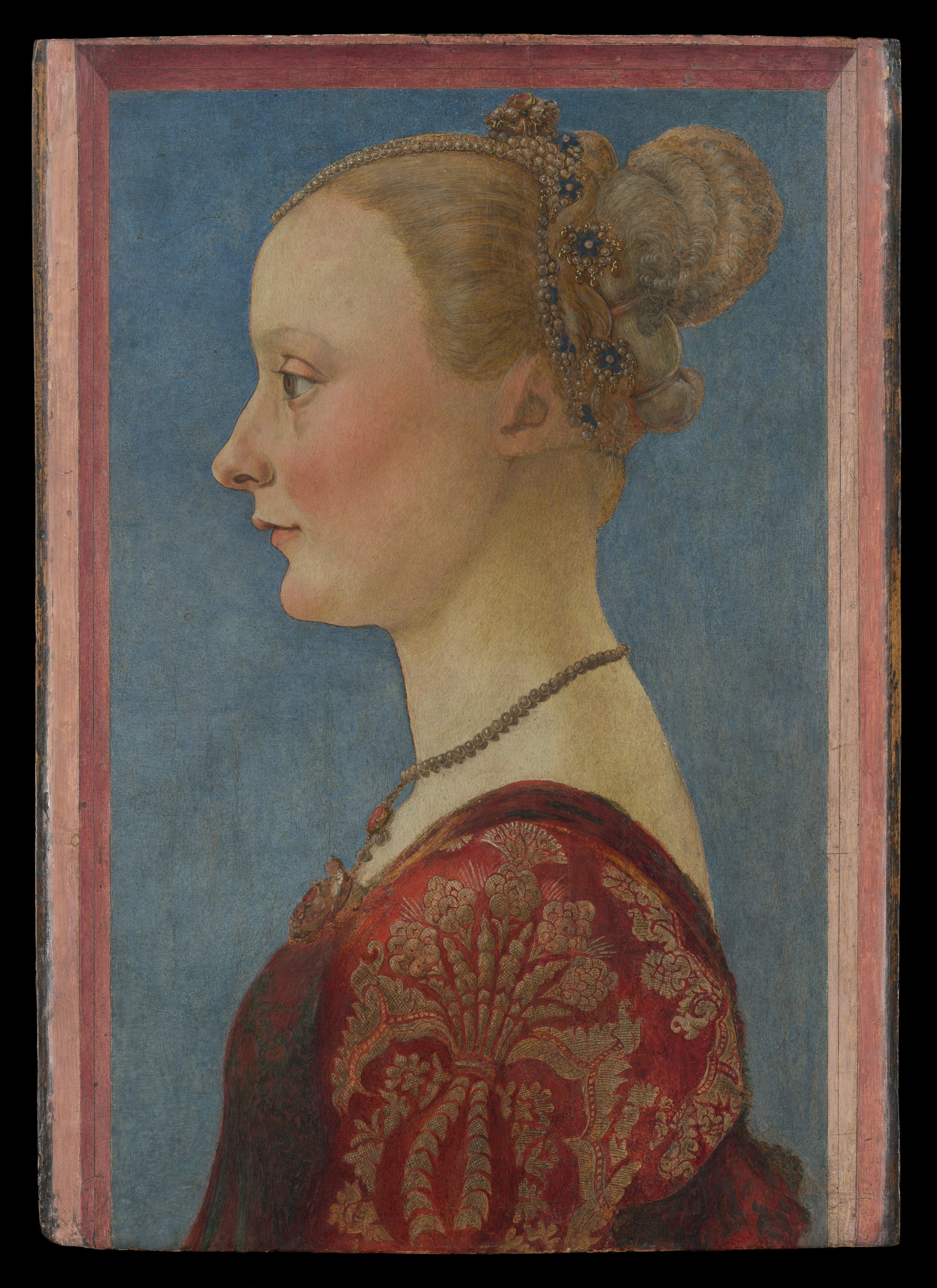
Executive Heritage Analysis: Portrait of a Woman (Ancient Civilization, Tempera on Wood)
This strategic standalone research paper, prepared for Katherine Fashion Lab, examines a singular artwork: a tempera-on-wood portrait of an unidentified woman from an ancient civilization. The analysis deconstructs the subject’s symbolic power, historical adornment, and spiritual meaning, then synthesizes these findings into a high-end luxury strategy for the 2026 season. The portrait, likely created for ritual or funerary purposes, offers a rich lexicon of visual codes that can be translated into contemporary luxury narratives of authority, transcendence, and exclusivity.
Symbolic Power: The Gaze and the Gilded Frame
The woman’s direct, frontal gaze commands immediate attention. In ancient portraiture, frontality was not merely an artistic convention but a declaration of presence—often reserved for deities, priestesses, or elite matriarchs. The eyes, rendered with dark kohl-like pigment and a pronounced iris, suggest a state of heightened spiritual awareness or eternal vigilance. This is not a passive subject; she is a witness, a guardian, or an oracle. For Katherine Fashion Lab, this gaze becomes a strategic emblem of unwavering authority. In a 2026 luxury market saturated with digital distractions, the power of stillness and direct eye contact offers a counter-narrative of quiet, unassailable confidence.
The tempera medium itself contributes to this symbolic weight. Tempera dries quickly, demanding precision and forbidding revision. Each brushstroke is a deliberate act, a permanent mark. This quality mirrors the ancient belief that a portrait could capture and fix the soul—a concept of immutable identity. For a luxury brand, this translates into a strategy of timelessness: garments and accessories that are not trend-driven but designed as heirlooms, each piece carrying the weight of intentional creation. The 2026 collection should reference the rigidity and clarity of tempera lines through sharp tailoring, structured silhouettes, and uncompromising craftsmanship.
Historical Adornment: Materials as Messengers
Textiles and Draping
The subject wears a garment of layered, pleated linen, dyed in a deep indigo—a color associated with the heavens and the divine in many ancient cultures. The folds are geometric, almost architectural, suggesting a society that valued order and hierarchy. The fabric is not merely covering; it is a statement of status. Linen, labor-intensive to produce, was a luxury fiber. The pleats, likely set with starch or heat, indicate a sophisticated textile technology. For Katherine Fashion Lab, this translates into a 2026 focus on architectural draping and natural luxury fibers. The collection should feature hand-pleated organic linen, cotton, and hemp, treated with modern finishes to echo the ancient precision. The color palette should center on deep blues, ochres, and ivories—pigments derived from earth and mineral sources, reinforcing a connection to raw, authentic materials.
Jewelry and Metalwork
Around her neck, she wears a torque of hammered gold, terminating in serpent heads. The serpent, a universal symbol of rebirth, wisdom, and protection, is not mere decoration but a talisman. Gold, in this context, is not just wealth but divine metal—incorruptible, reflecting the eternal sun. Her ears are adorned with crescent-shaped gold discs, likely representing lunar cycles or fertility. These adornments are not accessories; they are instruments of spiritual and social power. The 2026 luxury strategy should incorporate talismanic jewelry as a core category. Pieces should be heavy, sculptural, and symbolic: serpentine cuffs, lunar earrings, and torque-style necklaces that serve as modern amulets. The marketing narrative should emphasize the protective and empowering properties of these pieces, positioning them as investments in personal mythology rather than mere ornament.
Headwear and Hairstyling
The woman’s hair is braided in an elaborate crown, intertwined with lapis lazuli beads and small gold spirals. Lapis, sourced from ancient trade routes, was more valuable than gold in some cultures, prized for its deep celestial blue. The hairstyle itself is a form of architecture, suggesting hours of ritual preparation. This detail underscores the ritual of adornment—a practice that transforms the body into a sacred object. For Katherine Fashion Lab, this inspires a 2026 focus on couture headwear and hair accessories. Think sculptural headbands, beaded hair veils, and intricately woven metal crowns. These pieces should be presented as the final, essential layer of a luxury ensemble—the element that completes the transformation from woman to icon.
Spiritual Meaning: The Portrait as Portal
The tempera portrait was likely created for a funerary context, intended to serve as a vessel for the soul in the afterlife. The woman’s calm, otherworldly expression suggests she is already in a state of transcendence. The background, a flat field of vermilion, is not a natural space but a symbolic one—the color of life force, blood, and the setting sun. This is not a representation of a person but a threshold between worlds. The spiritual meaning here is twofold: the portrait as a record of the physical self and as a bridge to the eternal. For a luxury brand, this duality is potent. The 2026 collection should evoke the idea of garments and accessories as portals to a higher state of being. Campaign imagery could play with thresholds: doorways, mirrors, or liminal spaces where the modern woman steps into her own mythic identity. The spiritual narrative should be one of empowerment through self-knowledge, not religious dogma—a luxury of inner clarity and purpose.
2026 High-End Luxury Strategy: The Eternal Woman
Product Pillars
Based on this analysis, Katherine Fashion Lab’s 2026 strategy should rest on three product pillars: Architectural Garments (structured linens, sharp pleats, indigo and ochre palettes), Talismanic Jewelry (gold, lapis, and serpent motifs), and Ritual Accessories (couture headwear, amulet bags, and symbolic belts). Each piece should be numbered, authenticated, and accompanied by a heritage card explaining the ancient symbolism—transforming a purchase into an acquisition of meaning.
Marketing and Positioning
The campaign should be titled “The Eternal Woman.” Imagery should be stark, frontal, and direct—echoing the portrait’s gaze. Models should be cast for their eyes and posture, not conventional beauty. The setting should be minimal: a single light source, a vermilion backdrop, and the model holding a single symbolic object (a serpent staff, a lunar disc). The tone should be oracular, not aspirational. Copy should speak of timelessness, protection, and self-sovereignty. The target client is the woman who seeks not trends but talismans—pieces that anchor her identity in a chaotic world.
Pricing and Exclusivity
This is a ultra-high-end strategy. Prices should reflect the craftsmanship and narrative weight: $5,000+ for garments, $15,000+ for jewelry, $3,000+ for accessories. Limited editions of 100 pieces per design. The collection should launch in a single flagship location, with a private viewing by appointment only—an experience that mirrors the ritualistic unveiling of a sacred object. The takeaway should be not a shopping bag but a custom wooden box lined with indigo silk, containing the piece and its heritage document.
Long-Term Brand Equity
By grounding the 2026 collection in the symbolic power, historical adornment, and spiritual meaning of this ancient portrait, Katherine Fashion Lab positions itself not as a fashion house but as a curator of eternal symbols. The strategy transcends seasonal cycles, building a brand mythology that will endure. The portrait of the ancient woman, once a funerary object, becomes a living blueprint for modern luxury: still, powerful, and forever watching.