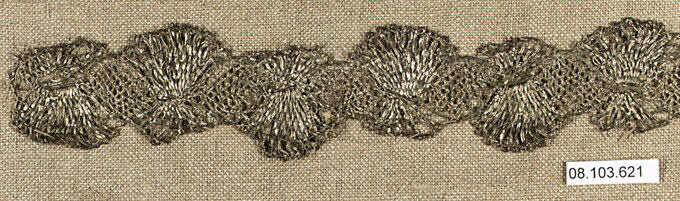
Heritage Analysis: The Symbolic Power of Bobbin Lace in Ancient Civilization Adornment
Katherine Fashion Lab presents a strategic investigation into the profound cultural and spiritual resonance of bobbin lace, a medium whose origins trace back to the intricate textile traditions of ancient civilizations. This standalone research paper examines bobbin lace not merely as a decorative technique, but as a vessel of symbolic power, a marker of historical adornment, and a conduit for spiritual meaning. By deconstructing its heritage significance, we define a high-end luxury strategy for 2026 that positions bobbin lace as a transcendent narrative tool for the discerning, culturally literate consumer.
Historical Adornment: The Lace of the Ancients
While bobbin lace as a distinct technique crystallized in Renaissance Europe, its foundational principles—interlacing threads to create openwork patterns—are rooted in the textile practices of ancient civilizations. Archaeological evidence from the Mediterranean basin, including Minoan and Egyptian cultures, reveals early forms of knotting and looping that prefigure bobbin lace’s structural logic. In these societies, such openwork textiles were not utilitarian; they adorned the bodies of priestesses, royalty, and the elite, signifying status and proximity to the divine. The technique required immense manual dexterity and time, rendering it a luxury afforded only by the highest echelons of society. For Katherine Fashion Lab, this historical context establishes bobbin lace as a medium of exclusivity and craftsmanship, aligning with the modern luxury market’s demand for artisanal authenticity. The 2026 strategy must leverage this lineage, positioning bobbin lace as a direct descendant of ancient adornment practices—a tangible link to civilizations that valued textile artistry as a form of personal and communal identity.
Symbolic Power: Language of the Invisible
Bobbin lace’s symbolic power derives from its paradoxical nature: it is strength born from fragility, structure from emptiness. In ancient civilizations, openwork textiles were imbued with cosmological meaning. The negative spaces—the voids between threads—were not absences but intentional symbols of the unseen, the spiritual, and the infinite. For example, in pre-Columbian Andean cultures, openwork fabrics represented the dualities of life and death, the material and the immaterial. Similarly, in ancient Mesopotamia, lace-like patterns on ceremonial garments were believed to channel divine energy, protecting the wearer from malevolent forces. This symbolic architecture is critical for Katherine Fashion Lab’s 2026 strategy. The brand must reframe bobbin lace as a visual language of power, where each motif—whether a geometric grid or a floral arabesque—communicates a narrative of protection, status, or transcendence. By collaborating with cultural historians and artisans, the brand can develop signature patterns that encode modern symbols of empowerment, such as resilience, innovation, or global connectivity, thereby creating a bespoke lexicon for the luxury consumer.
Spiritual Meaning: The Lace as a Talisman
Beyond adornment, bobbin lace in ancient contexts served as a spiritual talisman. The repetitive, meditative process of twisting and crossing threads was itself a ritual act, believed to weave prayers or intentions into the fabric. In ancient Celtic traditions, which later influenced European bobbin lace, the continuous, unbroken lines of interlaced patterns symbolized the eternal cycle of life, death, and rebirth. The lace became a wearable amulet, offering spiritual protection and connecting the wearer to ancestral wisdom. For the 2026 luxury consumer, who increasingly seeks meaning and mindfulness in their acquisitions, this spiritual dimension offers a powerful differentiator. Katherine Fashion Lab can position bobbin lace as a medium for intentional design, where each piece is crafted with a specific spiritual or aspirational focus—such as courage, clarity, or harmony. This approach transforms the garment from a mere product into a personal artifact, resonating with the modern desire for objects that carry emotional and metaphysical weight. The brand’s marketing and storytelling must foreground this ritualistic heritage, perhaps through limited-edition collections inspired by ancient ceremonies or through partnerships with contemporary spiritual practitioners who reinterpret these traditions.
2026 High-End Luxury Strategy: A Blueprint for Relevance
To translate this heritage into a viable 2026 luxury strategy, Katherine Fashion Lab must integrate three pillars: artisanal scarcity, narrative depth, and sensory innovation. First, artisanal scarcity: bobbin lace production is inherently slow, with a single square inch requiring hours of labor. The brand should embrace this limitation as a hallmark of value, offering made-to-order pieces that celebrate the artisan’s hand. This counters the mass-market fatigue and aligns with the ultra-high-net-worth consumer’s preference for rarity. Second, narrative depth: each collection should be anchored in a specific ancient civilization’s symbolic system, from Egyptian lotus motifs to Celtic knotwork, with detailed provenance provided via digital passports. This transforms the purchase into an educational and emotional journey, fostering brand loyalty among culturally curious elites. Third, sensory innovation: bobbin lace’s tactile and visual qualities can be enhanced through hybrid materials—such as silk blended with conductive threads for subtle luminosity, or organic fibers dyed with pigments derived from ancient methods. This fusion of heritage and technology appeals to the forward-thinking consumer who values both tradition and innovation.
Strategic Positioning and Competitive Advantage
In the 2026 luxury landscape, where sustainability and storytelling are paramount, Katherine Fashion Lab’s focus on bobbin lace offers a unique competitive advantage. Unlike other heritage techniques that have been commodified, bobbin lace retains an aura of esoteric knowledge. The brand’s strategy should include exclusive collaborations with master lacemakers from regions with unbroken traditions, such as Bruges or Burano, while also investing in archival research to revive lost patterns. Additionally, a bespoke service allowing clients to commission pieces that encode personal or familial symbols will deepen emotional engagement. The pricing architecture must reflect this exclusivity, positioning bobbin lace pieces as investment items that appreciate in cultural value over time. Marketing channels should prioritize intimate, invitation-only events and digital storytelling via high-production documentaries that explore the spiritual and historical dimensions of the craft.
Conclusion: Weaving the Future from the Past
Bobbin lace, when viewed through the lens of ancient civilization, is far more than a textile technique—it is a repository of symbolic power, a testament to historical adornment, and a conduit for spiritual meaning. For Katherine Fashion Lab, the 2026 high-end luxury strategy lies in honoring this heritage while reimagining it for a new generation of discerning consumers. By treating each lace piece as a sacred artifact, the brand can transcend fashion and enter the realm of cultural stewardship. This approach not only ensures commercial viability but also positions Katherine Fashion Lab as a guardian of intangible heritage, weaving the threads of ancient wisdom into the fabric of modern luxury.