Executive Summary: The Smallsword as a Heritage Asset for Katherine Fashion Lab
This strategic standalone research paper analyzes the Dutch smallsword of the 17th-18th centuries as a potent heritage object for Katherine Fashion Lab’s 2026 high-end luxury strategy. Moving beyond mere historical artifact, the smallsword is deconstructed as a nexus of symbolic power, refined adornment, and latent spiritual meaning. Originally a weapon of the Dutch elite during the Golden Age, its evolution into a sartorial and social accessory provides a rich blueprint for translating historical codes into contemporary luxury narratives. This analysis posits that the smallsword’s intrinsic values—restrained authority, cosmopolitan intellect, and ceremonial beauty—offer a unique and ownable heritage foundation for a 2026 collection focused on intelligent power-dressing and masculine-coded elegance with universal appeal.
Historical & Cultural Context: The Dutch Golden Age Smallsword
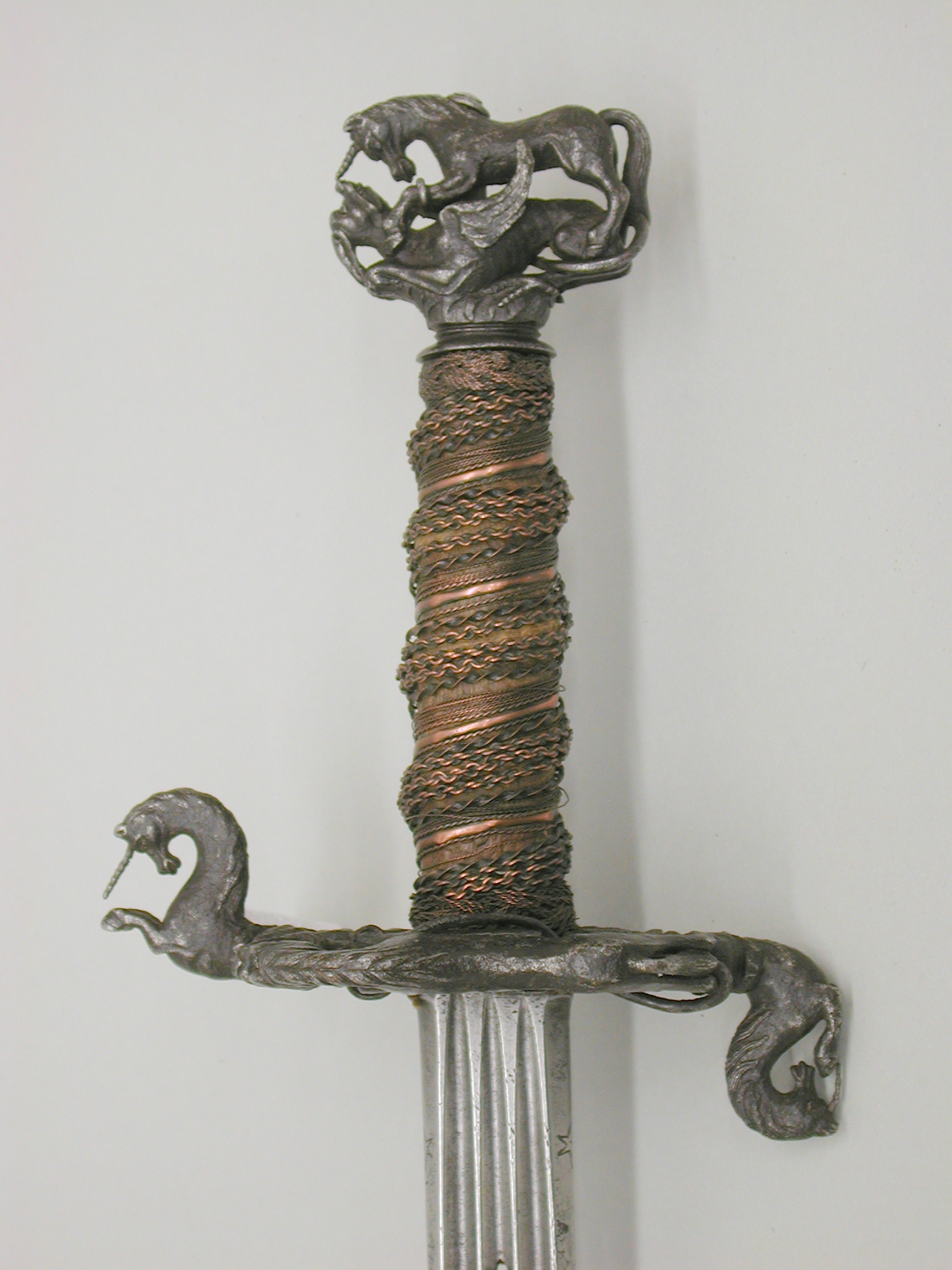
Emerging in the mid-17th century, the Dutch smallsword was less a tool of war and more a definitive badge of civility and status. Its development paralleled the rise of the Dutch Republic as a global commercial and intellectual powerhouse. Unlike the heavier battlefield rapiers, the smallsword was lightweight, designed for urban life and the duel of honor. Its materials—finely tempered steel for the blade, often etched with geometric or allegorical motifs; copper alloy for the intricate guard and pommel; leather for the grip; and wood for the scabbard core—spoke to an era where trade networks brought global resources to local artisans. The object embodied the Dutch ethos: pragmatic, cosmopolitan, and understatedly wealthy. It was worn not by soldiers, but by merchants, regents, scholars, and diplomats—men whose power was derived from commerce, governance, and intellect, not just birthright.
Symbolic Power: The Grammar of Restrained Authority
The smallsword’s primary symbolic function was to articulate a complex social hierarchy. Its presence on the hip was a legal privilege, often restricted to the gentry and burgher elite. However, its power was nuanced. The ornate hilt—a masterpiece of miniature sculpture featuring chiseled acanthus leaves, mascaron faces, or allegorical figures—signaled taste, education, and access to capital. Conversely, the sleek, deadly blade represented the ultimate sanction, the latent force underpinning civil order and personal honor. This duality is critical for luxury strategy: it represents power that is culturally coded and aesthetically mediated, not overtly aggressive. For Katherine Fashion Lab, this translates to designs where authority is conveyed through exquisite fabrication, precise tailoring, and intelligent detail—a sharp silhouette, a closure that references a guard, a material juxtaposition (steel-like leather against soft wool)—rather than blatant logos or aggressive styling.
Historical Adornment: The Body as a Gallery of Virtue
The smallsword was the pivotal metal accessory in the male ensemble, harmonizing with shoe buckles, buttons, and snuffboxes to create a cohesive statement of refinement. Its adornment was didactic. Engravings on the blade or hilt often depicted scenes of Justice, Fortitude, or Commerce, publicly aligning the wearer with Enlightenment virtues. The wearer’s body became a curated gallery, with the smallsword as the central artwork. This concept of “functional jewelry” or “narrative adornment” is directly transferable to modern luxury. Katherine Fashion Lab can interpret this through limited-edition metal accessories (belt buckles, bag hardware, statement cufflinks) that are not merely decorative but carry micro-engravings, layered patinas (referencing aged steel and copper), and forms abstracted from hilt designs. Each piece becomes a conversation starter about heritage and values, appealing to a client seeking depth and story in their possessions.
Spiritual Meaning: The Secular Talisman
While not a religious object, the smallsword held profound secular spiritual meaning. It was a talisman of integrity—one’s word and honor were ultimately backed by the blade. It represented the transition from feudal brute force to a civic, almost juridical, concept of personal accountability. Furthermore, in a society shaped by Calvinism, its restrained beauty walked a fine line: demonstrating God’s blessing through worldly success without succumbing to the sin of ostentatious pride. The object thus carried a spiritual weight of duty, self-discipline, and moral fortitude. For the contemporary luxury consumer, especially in a post-pandemic, values-driven market, this resonates as a desire for objects that signify inner strength and ethical standing. Katherine Fashion Lab can channel this by emphasizing craftsmanship as a moral virtue, using traceable, noble materials (e.g., recycled metals, innovative plant-based leathers), and framing the collection around themes of “modern integrity” and “quiet conviction.”
Strategic Application: 2026 High-End Luxury Strategy
For the 2026 market, characterized by a demand for authenticity, sustainability, and experiential depth, the Dutch smallsword provides a distinctive and ownable heritage platform for Katherine Fashion Lab.
Collection Narrative: "The Civic Armory"
Launch a flagship collection titled “The Civic Armory”, reimagining the wardrobe of the modern urban leader. This narrative shifts power-dressing from corporate armor to intelligent, socially-conscious elegance. The collection would focus on sharp, architectural tailoring inspired by the smallsword’s profile—strong shoulders tapering to a precise waist, lines as clean as a blade. Fabrics would play with juxtaposition: polished technical wools (referencing steel), rich velvets (akin to lined scabbards), and embossed leathers. Color palettes would draw from the object—patinated copper greens, steel grays, deep burgundy (from aged leather), and ivory.
Product Translation & Experiential Activation
Key product categories would include: (1) Architectural Outerwear with unique closures derived from hilt guards; (2) Statement Trousers with precision pleating and metal-accented waistbands; (3) The “Hilt” Bag, a structured leather bag with an intricately engineered metal handle/clasp as its centerpiece; (4) Adornment Objects, as noted above. The launch should be accompanied by an experiential strategy: collaborations with modern fencing academies (linking to movement and discipline), private viewings at museums with Dutch Golden Age collections, and branded content exploring the history of civility and adornment.
Brand Positioning & Client Targeting
This strategy positions Katherine Fashion Lab at the intersection of heritage intellect and future-facing luxury. The target client is not seeking vintage revival but a profound conceptual link to values that feel urgently relevant: restrained power, responsible commerce, and adorned intellect. By owning the “smallsword” codes, the brand differentiates itself from competitors relying on more overt military or aristocratic European narratives. It speaks to a global, discerning customer who values understatement, narrative, and the symbolic weight of what they wear—a modern citizen, armed not with a blade, but with discernment, history, and impeccable style.
In conclusion, the Dutch smallsword is far more than a historical weapon. It is a complete system of meaning—a study in how power is aestheticized, how adornment communicates virtue, and how objects can serve as secular talismans. For Katherine Fashion Lab, its strategic excavation and modern translation offer a powerful, nuanced, and highly distinctive path to capture the 2026 luxury zeitgeist.