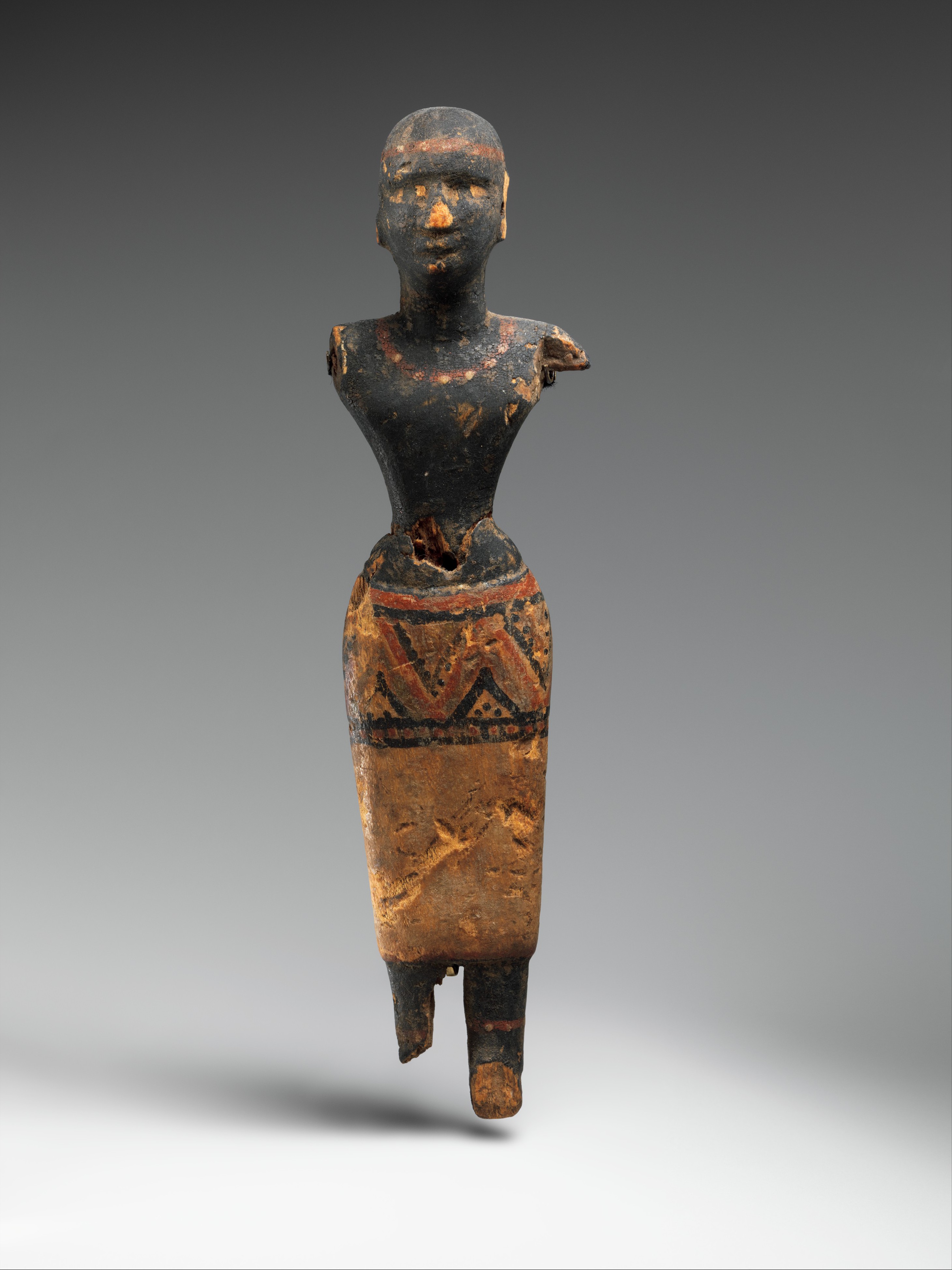
Heritage Analysis: Figure of a Woman of Nubian Descent
Strategic Context for Katherine Fashion Lab (2026)
This heritage analysis examines a carved wooden figure of a woman of Nubian descent, originating from an ancient civilization (circa 2000–1000 BCE). The artifact, rendered in wood with traces of original paint, serves as a profound testament to Nubian cultural sophistication, spiritual cosmology, and aesthetic power. For Katherine Fashion Lab, this analysis informs a 2026 high-end luxury strategy that reclaims African ancestral narratives, elevates underrepresented craftsmanship, and integrates symbolic adornment into modern luxury offerings. The figure’s historical significance—rooted in Nubia’s role as a nexus of trade, spirituality, and matrilineal authority—provides a strategic blueprint for authentic, heritage-driven luxury positioning.
Symbolic Power: The Nubian Woman as a Vessel of Authority
The figure’s posture, proportions, and materiality encode a sophisticated language of symbolic power. Nubian civilization, particularly during the Kingdom of Kush, revered women as political and spiritual leaders. This wooden figure likely represents a queen, priestess, or ancestress, embodying matrilineal authority and divine kingship. The upright stance, with arms held close to the body or extended in a gesture of offering, suggests a mediator between the earthly and celestial realms. The figure’s exaggerated hips and breasts—common in Nubian fertility iconography—symbolize abundance, continuity, and the life-giving force of the Nile, which sustained Nubian agriculture and trade.
For Katherine Fashion Lab, this symbolic power translates into a 2026 luxury strategy that emphasizes female empowerment and cultural sovereignty. Collections can draw on the Nubian archetype of the “queen-priestess” as a narrative anchor, using silhouettes that evoke authority—structured shoulders, cinched waists, and fluid draping that mimics ceremonial robes. Color palettes should reference the figure’s original paint: deep ochre, indigo, and gold, symbolizing earth, water, and divinity. By aligning with Nubian symbolic traditions, the brand positions itself as a curator of timeless, empowered femininity, differentiating from Western-centric luxury narratives.
Historical Adornment: Craftsmanship and Materiality
The figure’s medium—wood and paint—reflects Nubian mastery of organic materials and their integration into spiritual and social life. Wood, often sourced from acacia or ebony, was prized for its durability and association with the sacred groves of Nubian temples. The paint, derived from mineral pigments (red ochre, white gypsum, black carbon), was applied in layered patterns that mimicked body adornment, jewelry, and textiles. The figure’s adornment includes: (1) a broad collar necklace, likely representing gold, carnelian, or faience beads, (2) armlets and anklets, signaling status and protection, and (3) a headdress or wig, indicating ritual or royal role. These elements were not merely decorative but functional in Nubian cosmology—beads were believed to ward off evil, while gold symbolized the sun god Amun-Ra’s eternal light.
In a 2026 luxury strategy, Katherine Fashion Lab can reinterpret this historical adornment through material innovation and artisanal collaboration. Consider partnering with Nubian-descendant artisans in Sudan or Egypt to produce limited-edition pieces that use traditional techniques: hand-carved wooden beads, mineral-dyed silks, and gold-leaf applications. The broad collar motif can be translated into statement necklaces or embroidered necklines, while armlets and anklets inspire sculptural bracelets and ankle-grazing chains. This approach not only honors the artifact’s craftsmanship but also creates a story-driven supply chain that appeals to conscious luxury consumers seeking provenance and cultural depth. In 2026, the luxury market is projected to value authenticity and traceability; this strategy positions Katherine Fashion Lab as a leader in heritage-conscious design.
Spiritual Meaning: Cosmology and Ritual Function
The figure’s spiritual meaning is rooted in Nubian cosmology, which blended indigenous beliefs with later Egyptian influences. Wooden figures like this one were often placed in tombs, temples, or household shrines as protective spirits or ancestral intermediaries. The painted details—such as the “wedjat” eye symbol or spiral motifs—indicate a connection to the afterlife, rebirth, and the cyclical nature of the Nile’s floods. The woman’s nudity, common in Nubian funerary art, signifies purity and the soul’s readiness for transformation. Additionally, the figure may have been used in rituals to invoke fertility, healing, or royal legitimacy, where the priestess-queen would channel divine energy through her adornment and dance.
For Katherine Fashion Lab, this spiritual dimension offers a ritualistic narrative for 2026 collections. Luxury fashion can move beyond aesthetics to become a medium for personal transformation and cultural connection. Consider a “Ritual Collection” that incorporates: (1) garments with hidden pockets for amulets or crystals, (2) fabrics dyed with plant-based pigments in ceremonies inspired by Nubian traditions, and (3) runway shows staged as spiritual journeys—with soundscapes of Nile water, incense, and live chanting. By framing clothing as ritual objects, the brand appeals to the growing demand for mindful luxury, where consumers seek meaning, protection, and self-actualization. This strategy also differentiates Katherine Fashion Lab from fast-fashion or trend-driven competitors, anchoring it in timeless, sacred values.
2026 High-End Luxury Strategy: Heritage as Competitive Advantage
The synthesis of symbolic power, historical adornment, and spiritual meaning yields a robust luxury strategy for 2026. Key pillars include:
1. Cultural Stewardship and Ethical Sourcing: Partner with Nubian heritage organizations to ensure cultural representation is accurate and respectful. Invest in carbon-neutral craft centers in Sudan and Egypt, employing local artisans and preserving wood-carving and pigment-making techniques. This creates a closed-loop supply chain that reduces environmental impact while generating economic empowerment.
2. Narrative-Driven Design: Each collection should be accompanied by a digital heritage dossier—a multimedia document that traces the artifact’s history, symbolism, and transformation into modern garments. Use AR (augmented reality) in boutiques to allow clients to “uncover” the figure’s hidden details, such as paint patterns or ritual gestures. This deepens engagement and builds brand loyalty among educated luxury consumers.
3. Limited-Edition Artisan Collaborations: Produce micro-collections (e.g., 100 pieces) that feature hand-carved wooden buttons, mineral-dyed silks, and gold-leaf accents. Each piece should be numbered and authenticated via blockchain, ensuring exclusivity and provenance. Price points can range from $5,000 (accessories) to $50,000 (evening gowns), targeting the top 1% of luxury spenders who value craftsmanship over mass production.
4. Experiential Retail and Ritual Events: Launch flagship stores designed as immersive Nubian temples—with sand-textured walls, water features, and scent diffusers of frankincense and myrrh. Host seasonal “Ritual Evenings” where clients participate in guided meditations, learn about Nubian cosmology, and preview collections. This transforms shopping into a cultural experience, fostering emotional attachment and repeat patronage.
5. Cross-Sector Collaborations: Align with luxury hotels (e.g., Six Senses, Aman) in Nubian regions to offer heritage tours and capsule collections. Partner with fine jewelry houses (e.g., Cartier, Van Cleef & Arpels) to create co-branded pieces inspired by the figure’s adornment. These collaborations amplify reach while reinforcing the brand’s authority in heritage luxury.
In conclusion, the Figure of a Woman of Nubian Descent is not merely an artifact but a strategic asset for Katherine Fashion Lab. By decoding its symbolic, material, and spiritual layers, the brand can craft a 2026 luxury strategy that is authentic, exclusive, and culturally resonant. In a market saturated with ephemeral trends, heritage-driven luxury offers a sustainable competitive advantage—rooted in the timeless power of Nubian civilization.