The Towel Border: A Global Heritage Reimagined in Couture
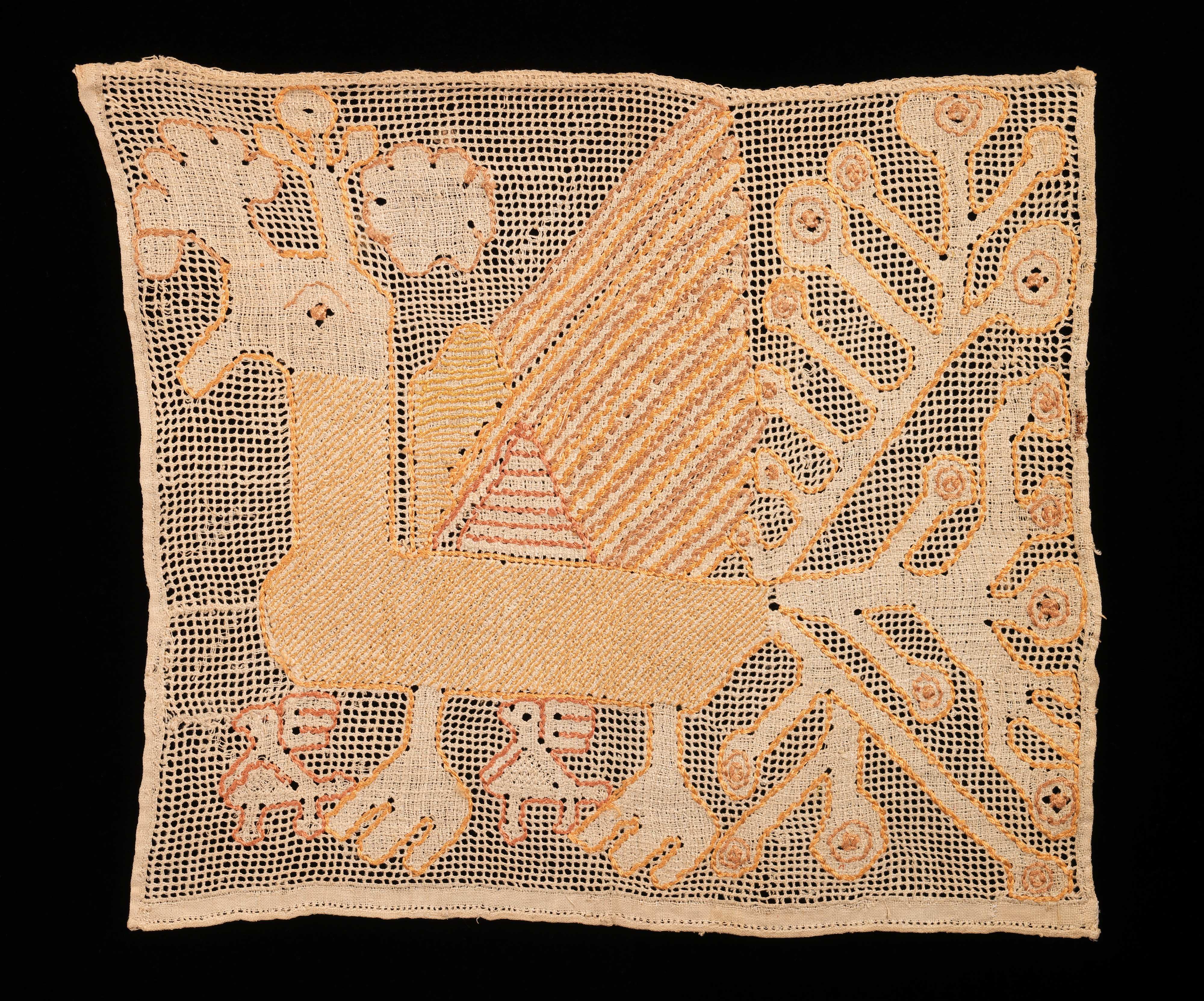
In the realm of haute couture, the most profound innovations often emerge from the most humble origins. Katherine Fashion Lab’s latest standalone study elevates the utilitarian towel border—a strip of fabric historically relegated to domestic function—into a sophisticated canvas for global heritage. This analysis deconstructs the garment’s technical mastery, cultural resonance, and strategic positioning within the luxury market, focusing on its integration of drawnwork, embroidery, linen, and silk. The result is a piece that transcends mere fashion, becoming a wearable artifact of cross-continental craftsmanship.
Material Alchemy: Linen and Silk as Foundation
The choice of linen and silk as the primary materials is a deliberate dialogue between austerity and opulence. Linen, with its natural irregularities and breathable structure, evokes the tactile memory of ancient textile traditions—from Egyptian mummy wrappings to European table linens. Its crisp, matte finish provides a stark counterpoint to silk’s luminous, fluid drape. Together, they create a textural tension that is both grounding and ethereal. For the towel border, Katherine Fashion Lab sources a high-thread-count Irish linen for the base, ensuring durability without sacrificing softness. The silk, specifically a 22-momme charmeuse from Como, Italy, is used for the border’s accent panels and intricate overlays. This pairing not only honors the towel’s original function—absorbency and durability—but also elevates it to a status symbol through the silk’s inherent luxury.
The structural integrity of the piece relies on the linen’s rigid warp and weft, which provides a stable foundation for the drawnwork technique. Drawnwork, or *punto tirato*, involves pulling threads from the fabric to create open, lattice-like patterns. Here, the linen’s natural fiber allows for precise thread removal without fraying, a testament to the lab’s commitment to artisanal precision. The silk, by contrast, is used sparingly—as a contrasting thread in the drawnwork or as a lining for the border’s hem—to introduce a subtle sheen that catches light without overwhelming the composition.
Drawnwork and Embroidery: A Study in Negative Space
The drawnwork on this garment is not merely decorative; it is a structural redefinition of the towel border. Katherine Fashion Lab employs a variant of the *hemstitch* technique, where groups of warp threads are bundled and secured with silk thread, creating a series of open squares that mimic the perforations of a traditional towel’s woven edge. This technique, historically used in European and Middle Eastern textiles, is recontextualized here as a form of architectural lace. The resulting negative space allows the skin to peek through, transforming the border from a functional trim into a sensual, breathable element.
Complementing the drawnwork is an embroidery program that draws from global heritage motifs. The lab’s design team has curated a palette of stitches—including satin stitch, French knots, and cross-stitch—that reference specific cultural traditions. For instance, the border’s central band features a repeating geometric pattern reminiscent of Berber textiles from North Africa, executed in a dull gold silk thread. Flanking this are floral motifs inspired by 17th-century Hungarian embroidery, using a deep indigo linen thread. This juxtaposition creates a visual dialogue between the abstract and the organic, the arid and the fertile. The embroidery is deliberately sparse, allowing the drawnwork’s negative space to dominate—a strategic choice that prevents the piece from becoming overly ornate while still showcasing the technical range.
Cultural Context: The Towel Border as Global Archive
The towel border, as a standalone artifact, carries a rich cultural lineage. In many societies, the towel has been a symbol of hospitality, ritual purification, and domestic labor. From the Turkish *peshtemal* to the Japanese *tenugui*, the border—often the most durable part of the towel—has served as a site for embroidery, family crests, or religious iconography. Katherine Fashion Lab’s study taps into this heritage by treating the border as a palimpsest, layering techniques from disparate geographies onto a single, cohesive canvas.
The choice to focus on drawnwork is particularly telling. This technique, which originated in the Mediterranean and spread across Europe and Asia, is a testament to the global exchange of textile knowledge. By employing it here, the lab positions the garment as a node in a historical network of craftsmanship. Similarly, the embroidery motifs are not random; they are carefully selected to represent a cross-section of human expression—from the geometric precision of Islamic art to the organic fluidity of Slavic folk design. This curatorial approach transforms the towel border into a wearable museum, one that invites the wearer to engage with the stories embedded in each stitch.
Strategic Positioning: Couture as Cultural Capital
In the context of modern luxury fashion, Katherine Fashion Lab’s standalone study operates as a strategic counterpoint to the fast-fashion industry’s homogenization. By focusing on a single, overlooked element—the towel border—the lab challenges the consumer to reconsider value. This is not a garment built for mass production; each piece requires hundreds of hours of handwork, a fact that the lab emphasizes through its marketing narrative. The use of linen and silk further reinforces this exclusivity, as both materials are notoriously difficult to source and manipulate at the highest quality.
From a brand perspective, this study aligns with the broader trend of “slow fashion” and artisanal revival. However, Katherine Fashion Lab distinguishes itself by avoiding mere nostalgia. The drawnwork and embroidery are not reproductions of historical designs but rather reinterpretations that incorporate contemporary color palettes (such as slate grey, ivory, and oxidized copper) and asymmetrical silhouettes. The towel border, for instance, is designed to be worn as a detachable collar, a belt, or a headpiece, offering versatility that speaks to the modern consumer’s desire for multifunctional luxury.
Technical Execution and Market Implications
The execution of the drawnwork requires a level of skill that is increasingly rare in the fashion industry. Katherine Fashion Lab has partnered with a cooperative of artisans in the Veneto region of Italy, known for their expertise in *ricamo a sfilatura* (drawn thread embroidery). Each artisan is trained to handle both linen and silk, ensuring that the tension and spacing of the drawn threads remain consistent. The embroidery is then completed by a separate team in Rajasthan, India, who specialize in the specific stitches used. This cross-continental collaboration not only ensures technical precision but also aligns with the garment’s global heritage theme.
The market implications are significant. By positioning the towel border as a standalone couture piece, Katherine Fashion Lab taps into the growing demand for “quiet luxury”—items that are understated yet meticulously crafted. The price point, estimated at $8,000–$12,000 per piece, reflects the labor intensity and material rarity. However, the lab also offers a limited-edition run of 50 pieces, creating scarcity that drives desirability among collectors and fashion archivists.
Conclusion: The Border as Boundary-Breaker
Katherine Fashion Lab’s analysis of the towel border is a masterclass in recontextualization. By drawing from global heritage and employing the tactile languages of drawnwork, embroidery, linen, and silk, the lab transforms a mundane object into a site of cultural and technical inquiry. This standalone study does not merely adorn the body; it invites the wearer to become a custodian of craft, a participant in a centuries-old conversation about texture, tradition, and transformation. In doing so, it sets a new standard for what couture can be—not just a reflection of wealth, but a repository of human ingenuity.