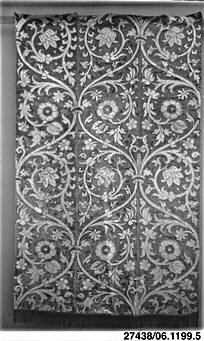
Heritage Analysis: The Hanging as a Symbol of Power and Adornment in Ancient Civilizations
In the realm of luxury heritage, the hanging—a textile suspended in space—transcends its utilitarian function to become a profound artifact of symbolic power, historical adornment, and spiritual meaning. For Katherine Fashion Lab, this analysis examines the hanging as a cultural signifier rooted in ancient civilizations, rendered in the sophisticated medium of linen on silk. By decoding its layered significance, we derive a strategic framework for 2026 high-end luxury positioning, where heritage meets contemporary exclusivity.
Symbolic Power: The Hanging as a Marker of Authority and Status
In ancient civilizations, the hanging served as a potent emblem of hierarchical power. From the woven tapestries of Pharaonic Egypt to the silk banners of Han Dynasty China, suspended textiles demarcated sacred spaces, throne rooms, and ceremonial boundaries. The act of hanging—elevating fabric above the ground—symbolized a bridge between the earthly and the divine, granting the bearer or space an aura of inviolable authority. For instance, in Mesopotamian ziggurats, linen hangings dyed with indigo and madder were reserved for high priests and rulers, their intricate patterns encoding genealogies and cosmic orders. This symbolic power derived not merely from material cost but from the laborious craftsmanship and ritualistic purpose embedded in every thread.
For Katherine Fashion Lab, this historical precedent informs a 2026 strategy where the hanging is reimagined as a wearable or ambient artifact of personal sovereignty. In high-end luxury, power is no longer overtly displayed but subtly implied through texture, weight, and provenance. A linen-on-silk hanging, when incorporated into a garment or accessory, communicates lineage and exclusivity without ostentation. The brand can leverage this by offering limited-edition pieces that reference ancient power motifs—such as geometric latticework or stylized deities—while maintaining a minimalist silhouette that appeals to the discerning modern elite. The symbolic power of the hanging thus becomes a silent signature of authority, aligning with the luxury consumer’s desire for objects that confer status through cultural depth rather than conspicuous branding.
Historical Adornment: The Hanging as a Precursor to Wearable Art
Historically, the hanging evolved from architectural decor to personal adornment, particularly in ancient civilizations where fabric was draped, pinned, or suspended on the body. In Minoan Crete, women wore elaborate linen peplos secured by fibulae, while in ancient Persia, silk hangings were cut and sewn into courtly robes that cascaded like curtains. This transition from wall to body underscores the hanging’s versatility as a medium of adornment—its folds, fringes, and weight creating a dynamic interplay of light and shadow on the human form. The medium of linen on silk is particularly significant: linen, with its breathable rigidity, provides structure, while silk lends fluidity and luster, mirroring the dual nature of historical adornment as both protective and decorative.
In 2026, Katherine Fashion Lab can capitalize on this heritage by developing a capsule collection titled “Suspended Lineage,” where each piece functions as a hanging translated into contemporary dress. For example, a silk-linen coat could feature detachable panels that echo the drape of an ancient temple hanging, allowing the wearer to modulate their silhouette based on occasion. The historical adornment aspect also invites collaboration with textile artisans who preserve ancient weaving techniques, such as tablet weaving or brocade, to create surface textures that tell a story. This approach not only differentiates the brand in a crowded luxury market but also appeals to the growing demand for artisanal authenticity and narrative-driven fashion. By positioning the hanging as a wearable artifact, Katherine Fashion Lab transforms adornment into a conversation about lineage, craft, and the passage of time.
Spiritual Meaning: The Hanging as a Conduit for Transcendence
Across ancient civilizations, the hanging held profound spiritual meaning as a mediator between the material and immaterial worlds. In Egyptian funerary practices, linen shrouds and hanging amulets were placed in tombs to guide the soul through the afterlife, their gold-threaded inscriptions invoking protection and rebirth. Similarly, in pre-Columbian Andean cultures, hanging textiles—often woven from cotton and alpaca wool—were used in sacrificial ceremonies, their patterns representing celestial cycles and ancestral spirits. The medium of linen on silk enhances this spiritual dimension: linen, derived from flax, was considered pure and life-giving in many ancient traditions, while silk, originating from the silkworm’s cocoon, symbolized transformation and resurrection. Together, they create a fabric that is both earthly and ethereal, embodying the tension between mortality and transcendence.
For Katherine Fashion Lab’s 2026 luxury strategy, this spiritual meaning offers a unique positioning: the hanging as a talisman for the contemporary soul. In an era where consumers seek meaning beyond material acquisition, a garment or accessory inspired by ancient spiritual hangings can serve as a personal totem. The brand could introduce a “Ritual Collection” where each piece is accompanied by a narrative of its symbolic origin—for instance, a linen-on-silk scarf embroidered with a Mesopotamian tree-of-life motif, intended to be worn during meditation or significant life transitions. This taps into the wellness luxury trend, where high-end products are integrated into self-care and spiritual practices. By honoring the hanging’s historical role as a conduit for transcendence, Katherine Fashion Lab elevates its offerings from mere fashion to instruments of personal meaning, fostering deep emotional resonance with clients.
2026 High-End Luxury Strategy: Integrating Heritage into Modern Aspiration
The convergence of symbolic power, historical adornment, and spiritual meaning positions the hanging as a cornerstone of Katherine Fashion Lab’s 2026 high-end luxury strategy. To execute this, the brand must adopt a three-pronged approach: curatorial storytelling, exclusive craftsmanship, and experiential retail. First, curatorial storytelling involves creating a digital and print archive that contextualizes each piece within ancient civilization—for example, a lookbook that juxtaposes Egyptian linen hangings with modern silk-linen gowns, accompanied by scholarly essays. This educates the consumer and builds brand authority as a custodian of heritage.
Second, exclusive craftsmanship requires partnering with master weavers and dyers who specialize in ancient techniques, such as natural indigo fermentation or gold-thread brocading. Each hanging-inspired piece should be limited to 50 units, with a certificate of provenance detailing the artisan’s lineage and the symbolism of the motif. This scarcity aligns with the luxury principle of rarity while honoring the historical labor intensity of textile production. Finally, experiential retail can transform boutiques into immersive spaces where clients experience the hanging’s spiritual and historical aura—through scent, sound, and tactile displays. For instance, a VIP room might feature a suspended linen-on-silk installation that responds to movement, evoking the ancient ritual of unveiling sacred hangings.
In conclusion, the hanging from ancient civilization, rendered in linen on silk, offers Katherine Fashion Lab a rich heritage lexicon for 2026. By decoding its symbolic power, historical adornment, and spiritual meaning, the brand can craft a luxury narrative that is both intellectually rigorous and emotionally compelling. This strategy not only differentiates the label in a saturated market but also positions it as a bridge between timeless tradition and contemporary aspiration—a hallmark of enduring luxury.