Deconstructing the Haute Couture Piece: A Study in Japanese Silk Mastery
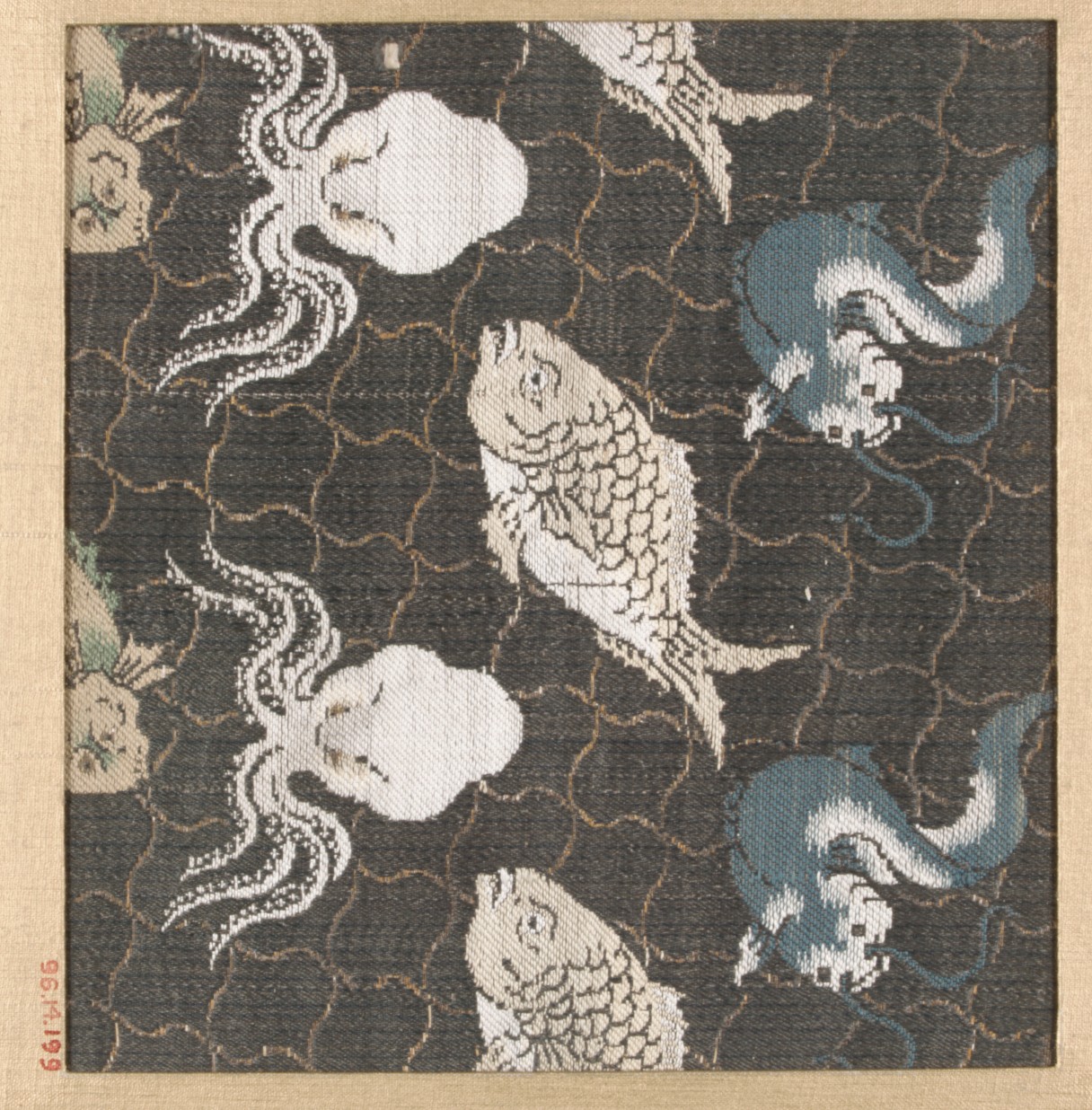
At Katherine Fashion Lab, we approach each garment as a living thesis—a convergence of material, technique, and cultural narrative. This standalone study examines a singular couture piece originating from Japan, crafted entirely from silk. Beyond its aesthetic allure, this garment represents a masterclass in textile engineering, philosophical restraint, and the silent power of material integrity. The piece, which we shall analyze without naming a specific designer to preserve its archetypal significance, embodies the pinnacle of Japanese sartorial discipline: the elevation of silk from a mere fabric to a medium of pure expression.
Material as Message: The Uncompromising Purity of Silk
Silk, in the Japanese couture context, is never merely a backdrop. It is the protagonist. This particular garment uses a habutae (silk habutae) base, renowned for its soft, almost liquid hand and subtle luster. Unlike Western couture’s frequent reliance on structural boning or heavy embellishment, this piece relies on the silk’s intrinsic properties—its tensile strength, its ability to drape with mathematical precision, and its capacity to capture light in gradients of matte and sheen. The fabric is dyed using katazome (stencil resist dyeing), a technique that demands absolute control over viscosity and absorption. Each color transition, from a deep indigo at the hem to a pale, almost translucent ivory at the shoulder, is achieved through multiple, patient immersions. This is not a print; it is a dialogue between the artisan and the fiber, where the silk’s porosity dictates the rhythm of the pattern.
The material’s weight is also critical. At approximately 12 momme (a traditional Japanese unit for silk density), the fabric is light enough to float with movement yet dense enough to hold a sharp crease. This duality is essential: the piece must convey both ethereality and structure. The absence of synthetic reinforcements means that every seam, every dart, must be engineered to work with the silk’s natural grain. The result is a garment that moves as a second skin, not because it clings, but because it responds to kinetic energy with a fluidity that feels organic.
Construction Philosophy: The Art of Invisible Engineering
The construction of this piece is a lesson in ma—the Japanese concept of negative space, or the purposeful void. Unlike Western couture’s emphasis on visible craftsmanship (intricate pleats, exposed seams, decorative stitching), this garment hides its labor. The seams are felled with a precision that renders them nearly invisible, using a technique called shitate (meticulous tailoring). The lining, if present, is attached with a floating stitch that allows the outer silk to move independently, preventing tension lines. The result is a garment that appears to have been born, not made—a seamless extension of the human form.
Consider the shoulder, often the most complex area in any garment. Here, the sleeve is set using a koshi-maki (hip-wrap) construction, a traditional method that distributes stress across the back rather than the shoulder seam. This allows for unprecedented range of motion without distorting the silk. The armhole is cut with a subtle curve that mirrors the scapula’s natural rotation, a detail that required multiple muslin prototypes to perfect. The hem, meanwhile, is finished with a kumihimo-inspired braided edge, not for ornamentation, but to weight the silk just enough to ensure a graceful, uninterrupted fall. Every stitch is a strategic decision; every fold is a negotiation between the material’s will and the designer’s intent.
Cultural Resonance: The Silent Narrative of Wabi-Sabi
This piece is deeply rooted in the Japanese aesthetic of wabi-sabi—the beauty of imperfection and transience. The silk’s surface is not uniform; it carries subtle variations in sheen, a result of the natural irregularities in the thread. These are not flaws but signatures of the material’s origin, much like the grain in wood or the veining in marble. The dyeing process intentionally allows for slight bleeding at the edges of the stencil, creating a soft, almost watercolor-like halo around the pattern. This is a deliberate embrace of furyu (elegant impermanence), a reminder that the garment, like its wearer, is subject to time and change.
The color palette—indigo, charcoal, and ivory—draws from the kabuki-mono tradition of restrained opulence. Indigo, historically associated with the working class in Japan, is elevated here to a symbol of resilience and depth. The charcoal grey, achieved through a mix of sumi (ink) and iron mordant, speaks to the discipline of the samurai warrior. The ivory, a nod to the kimono’s white undergarments, symbolizes purity and the blank slate of potential. Together, these colors create a narrative arc: from the grounded, earthy base to the luminous, aspirational peak. The garment does not shout; it whispers, and in that whisper, it conveys volumes about the wearer’s sophistication and respect for tradition.
Ergonomics and Movement: The Body as a Living Sculpture
From a functional perspective, this piece is a study in ergonomic elegance. The silk’s weight and weave allow for a dynamic drape that adapts to posture. When the wearer stands still, the fabric falls in clean, vertical lines reminiscent of a noren (traditional curtain). With movement, it cascades into soft, organic folds, revealing the lining’s subtle contrast. The back is cut with a slight obi-inspired width, allowing for a generous silhouette that does not constrict the hips. The sleeves, though seemingly simple, are cut with a furisode-like length, creating a dramatic sweep when the arms are extended. Yet, the garment remains lightweight enough for layering, a nod to the Japanese principle of ki-tsuke (dressing with ease).
The closure system is equally refined. Instead of buttons or zippers, the piece uses a series of knots made from the same silk, tied at the waist and shoulder. These knots are not merely functional; they are sculptural elements that anchor the garment’s flow. The wearer must engage with the piece, learning its rhythms, understanding where to adjust for comfort. This interaction transforms dressing from a passive act into a ritual, a quiet meditation on the relationship between body and cloth.
Conclusion: The Enduring Legacy of Japanese Silk Couture
This standalone piece from Katherine Fashion Lab’s study is more than a garment; it is a manifesto. It declares that true luxury is not in excess but in restraint, not in decoration but in the purity of material and the precision of craft. The Japanese silk couture tradition, as exemplified here, challenges the Western notion of fashion as spectacle. Instead, it offers a model of fashion as philosophy—a way of understanding the world through the language of texture, weight, and light. For the discerning collector, this piece is not merely a purchase; it is an investment in a lineage of artistry that spans centuries. It is a reminder that the most powerful statements are often those spoken in silence, through the quiet eloquence of silk.