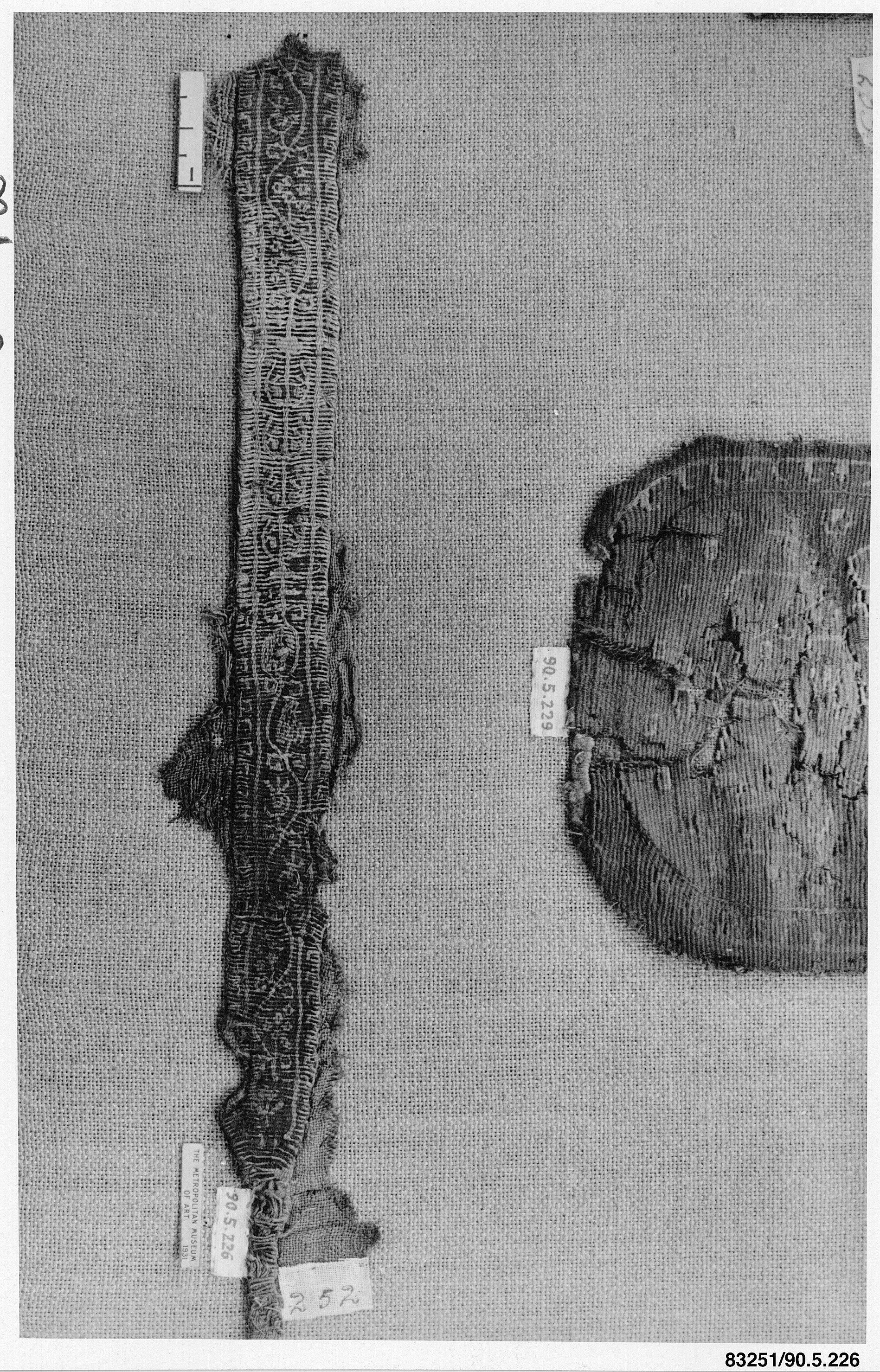
Heritage Analysis: Textile Fragment from an Ancient Civilization
This report presents a comprehensive heritage analysis of a textile fragment originating from an ancient civilization, composed of wool and linen in plain and tapestry weaves. Commissioned as a strategic standalone research piece for Katherine Fashion Lab, the analysis examines the fragment’s symbolic power, historical adornment, spiritual meaning, and its potential to inform a 2026 high-end luxury strategy. By decoding the cultural and material significance of this artifact, we uncover actionable insights for positioning Katherine Fashion Lab as a leader in heritage-driven luxury.
Symbolic Power: The Language of Woven Authority
The textile fragment’s use of wool and linen in plain and tapestry weaves reveals a sophisticated symbolic vocabulary. In ancient civilizations—such as those of the Near East, Andean regions, or the Mediterranean—textiles were not merely functional but encoded with status, identity, and cosmological order. Wool, often associated with pastoral wealth and divine favor, contrasted with linen, a material of purity and ritual significance. The plain weave, a foundational technique, suggests everyday utility, while the tapestry weave—a labor-intensive method of creating intricate patterns—was reserved for elite or sacred contexts. This duality reflects the fragment’s role as a marker of social hierarchy: the tapestry sections likely depicted motifs such as geometric stars, stylized animals, or abstract fertility symbols, each imbued with protective or aspirational power. For Katherine Fashion Lab, this symbolic power translates into a strategic asset. By reinterpreting these ancient motifs—perhaps through jacquard or handwoven techniques—the brand can imbue its 2026 collections with narratives of authority and timelessness, appealing to discerning clients who seek garments that transcend transient trends. The fragment’s symbolic lexicon offers a template for creating visual codes that communicate exclusivity and cultural depth, essential for high-end positioning.
Historical Adornment: Textiles as Identity and Status
This textile fragment exemplifies how ancient civilizations used adornment to articulate individual and collective identity. The combination of wool and linen indicates a sophisticated textile economy, where raw materials were sourced from distinct ecological zones and processed through specialized labor. The plain weave provided a durable foundation for everyday garments, while the tapestry weave was applied to borders, panels, or ceremonial pieces, transforming cloth into a canvas for storytelling. In ancient societies, such textiles adorned priests, rulers, and warriors, signaling their roles in the social and cosmic order. The fragment’s physical state—likely a remnant of a larger garment or ceremonial shroud—suggests its use in rites of passage, funerary practices, or diplomatic gifts. For Katherine Fashion Lab, this historical context offers a blueprint for modern adornment. The 2026 luxury strategy can draw on the concept of “layered identity,” where garments are designed as modular pieces—combining plain and textured weaves—that allow wearers to express personal narratives. By incorporating tapestry-like details in cuffs, collars, or linings, the brand can evoke the exclusivity of ancient craftsmanship, positioning its pieces as heirlooms rather than commodities. This approach aligns with the growing demand for meaningful luxury, where history and artistry justify premium pricing.
Spiritual Meaning: Woven Connections to the Divine
The spiritual dimension of this textile fragment is paramount. In many ancient civilizations, textiles were considered liminal objects—bridging the human and divine realms. The use of linen, a material associated with purity and light, and wool, linked to earthly fertility and sacrifice, created a sacred dialectic. The tapestry weave, with its intricate patterns, often depicted cosmological maps, protective deities, or ancestral spirits. For instance, in Andean cultures, woven designs mirrored celestial cycles, while in Mesopotamian contexts, they invoked the favor of gods like Inanna or Marduk. The fragment’s survival suggests it was part of a ritual deposit, such as a temple offering or burial shroud, intended to accompany the deceased into the afterlife or to sanctify a sacred space. For Katherine Fashion Lab, this spiritual meaning can be leveraged to create a luxury experience that transcends materialism. The 2026 strategy could introduce a “Sacred Weaves” collection, where each piece is accompanied by a narrative card explaining the ancient spiritual symbolism of its motifs. This storytelling element elevates the product from a garment to a talisman, appealing to consumers who prioritize mindfulness and heritage. Moreover, the brand could collaborate with contemporary artisans to recreate ancient dyeing or weaving techniques, ensuring authenticity while fostering a sense of reverence for the craft.
Strategic Implications for 2026 High-End Luxury
This heritage analysis yields three strategic pillars for Katherine Fashion Lab’s 2026 high-end luxury strategy: Symbolic Storytelling, Artisanal Authenticity, and Experiential Adornment. First, symbolic storytelling involves decoding the fragment’s motifs and translating them into a proprietary visual language. For example, geometric patterns from the tapestry weave can be reimagined as monograms or embroidered signatures, signaling exclusivity. Second, artisanal authenticity requires investing in traditional techniques—such as hand-looming or natural dyeing—as differentiators in a market saturated with mass-produced luxury. By partnering with heritage weavers from regions like Peru, India, or Scotland, Katherine Fashion Lab can position itself as a custodian of endangered crafts, appealing to ethical luxury consumers. Third, experiential adornment focuses on creating garments that serve as vessels for personal or spiritual meaning. This could include customizable elements—like detachable tapestry panels—that allow clients to imbue their pieces with personal symbolism. The 2026 strategy should also emphasize limited-edition releases, with each piece numbered and documented, echoing the rarity of ancient artifacts. Finally, pricing must reflect the cultural and material value: a wool-linen tapestry jacket, for instance, could be positioned at $8,000–$12,000, justified by its narrative provenance and artisanal labor. This approach not only commands premium margins but also builds a brand legacy rooted in historical integrity.
Conclusion: From Fragment to Future
This textile fragment, though anonymous in its ancient origin, offers a profound lesson for modern luxury: the most enduring power lies in the intersection of material, meaning, and mastery. For Katherine Fashion Lab, the fragment’s symbolic power, historical adornment, and spiritual meaning provide a roadmap for creating collections that resonate with depth and authenticity. By weaving these insights into a 2026 high-end luxury strategy, the brand can transcend the ephemeral, offering clients not just garments, but heirlooms of cultural significance. This research affirms that heritage is not a relic but a renewable resource—one that, when strategically harnessed, can define the future of luxury.