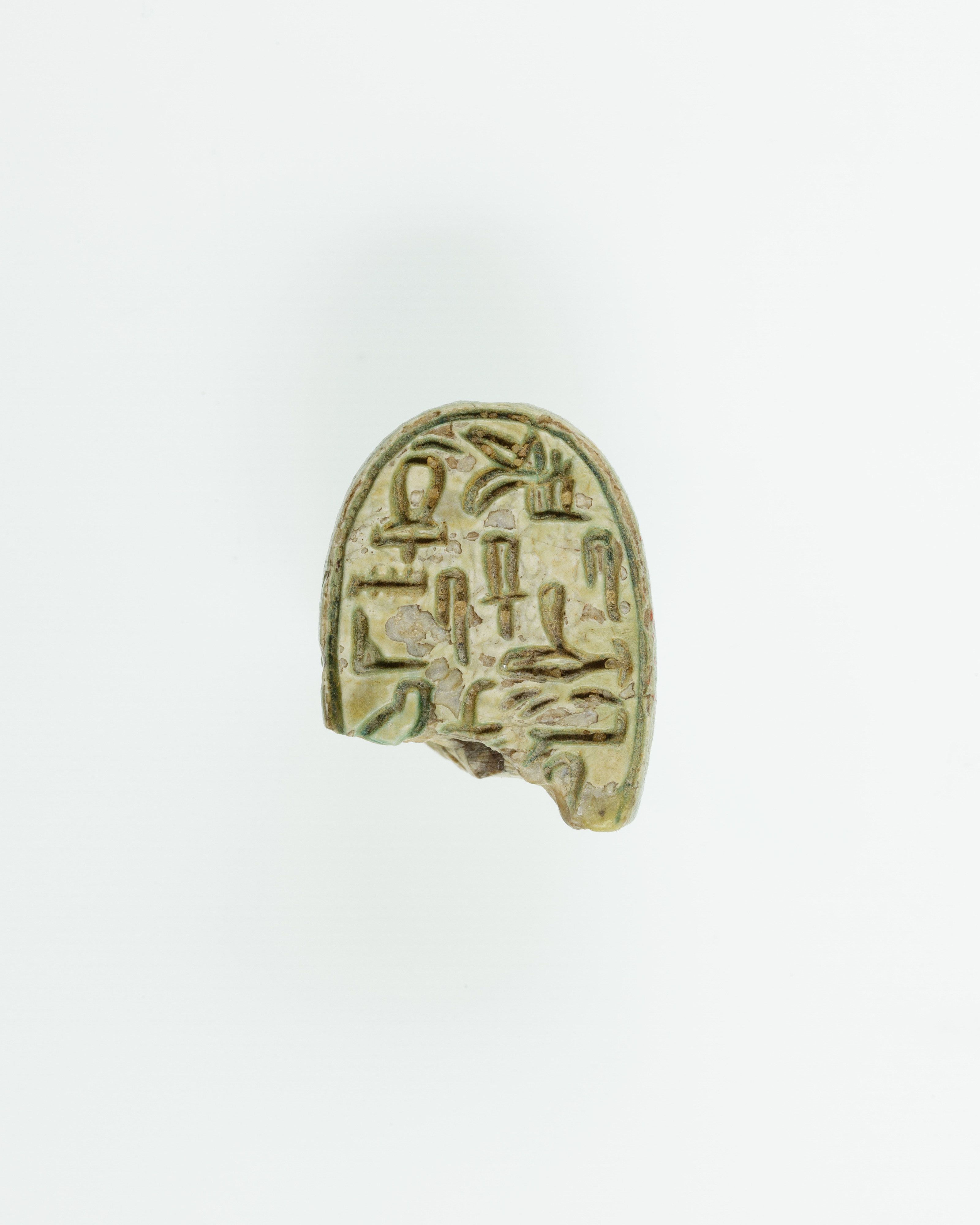
Heritage Analysis: The Scarab of an Official
Introduction to the Artifact and Its Strategic Relevance
The Scarab of an Official, carved from green glazed steatite, represents a pinnacle of ancient craftsmanship and symbolic communication. As a Lead Heritage Curator for Katherine Fashion Lab, I examine this artifact not merely as a historical object but as a strategic asset for 2026 high-end luxury positioning. This analysis delves into its symbolic power, historical adornment practices, spiritual meaning, and the actionable insights for a luxury brand strategy that resonates with contemporary connoisseurs.
Symbolic Power: The Scarab as an Emblem of Authority and Transformation
The scarab beetle, central to this artifact, held profound symbolic weight in ancient civilizations, particularly in Egyptian cosmology. The scarab was associated with Khepri, the god of the rising sun, who was believed to roll the sun across the sky, mirroring the beetle’s behavior of rolling dung balls. This metaphor of cyclical renewal and divine creation imbued the scarab with power over life, death, and rebirth. For an official—likely a high-ranking administrator or priest—the scarab served as a seal of authority, a talisman that legitimized decrees and protected against chaos. The green glazed steatite, often mimicking the color of new growth and the Nile’s fertility, amplified this symbolism, linking the official to the eternal cycles of nature and the gods’ favor. In luxury branding, this translates to a narrative of enduring legacy and transformative power. A 2026 collection could leverage the scarab motif to signify a brand’s ability to guide clients through change, offering products that are not just accessories but emblems of personal evolution and elite status.
Historical Adornment: The Scarab as a Functional and Aesthetic Object
Historically, the scarab was worn as a pendant, ring, or amulet, often inscribed with the owner’s name or protective spells. For an official, it was a daily adornment that combined practicality with prestige. The green glazed steatite, a soft stone that hardened after glazing, allowed for intricate carving while remaining lightweight and durable. This duality—functional utility and aesthetic refinement—mirrors the demands of modern luxury consumers. High-end clients seek pieces that are wearable art, objects that serve as conversation starters while offering intrinsic value. The scarab’s placement on the body, often over the heart or on the wrist, suggests an intention to channel protective energy and display social rank. For Katherine Fashion Lab, this historical precedent supports a strategy of statement pieces that are both ergonomic and symbolically loaded. A 2026 line could feature scarab-inspired clasps, brooches, or cuffs, designed with precious metals and green gemstones such as emerald or malachite, echoing the original steatite’s hue. The integration of hidden engravings or personalized inscriptions would honor the artifact’s original function, offering exclusivity to discerning clients.
Spiritual Meaning: The Scarab as a Conduit for Protection and Afterlife
Spiritually, the scarab was a guardian against evil and a guide for the soul in the afterlife. The green glaze, reminiscent of the heart scarab placed on mummies, was believed to ensure the deceased’s heart did not testify against them during the Weighing of the Heart ceremony. This apotropaic function—warding off negative forces—was central to the scarab’s meaning. For an official, wearing this scarab was a daily act of spiritual insurance, a tangible connection to divine protection. In a contemporary luxury context, spirituality is a growing trend, with consumers seeking objects that offer emotional resonance and inner peace. The scarab’s spiritual narrative can be translated into a brand’s wellness or mindfulness collection, positioning Katherine Fashion Lab as a purveyor of meaningful luxury. A 2026 strategy could include limited-edition scarab talismans with meditative rituals or collaborations with spiritual advisors, aligning the brand with the ancient practice of using adornment as a tool for inner transformation. This approach differentiates the lab in a saturated market, appealing to clients who value authenticity and heritage over transient trends.
2026 High-End Luxury Strategy: Integrating Heritage into Modern Branding
To operationalize these insights for 2026, Katherine Fashion Lab must adopt a curatorial approach to luxury. The scarab’s heritage offers a unique storytelling platform that can be woven into product design, marketing, and client experience. First, product development should focus on reimagining the scarab as a modern icon. Using sustainable materials such as recycled gold or lab-grown green stones can echo the ancient steatite’s ecological origins while appealing to eco-conscious buyers. Second, brand narrative should emphasize the scarab’s duality of power and protection, positioning each piece as a legacy object meant to be passed down. Campaigns could feature visual storytelling that juxtaposes ancient Egyptian motifs with futuristic aesthetics, creating a timeless yet avant-garde identity. Third, client experience can be elevated through exclusive workshops or private viewings where clients learn about the scarab’s history and customize their pieces with personal symbols. This bespoke service mirrors the original official’s need for a unique seal, fostering deep brand loyalty.
Conclusion: The Scarab as a Strategic Asset for Katherine Fashion Lab
The Scarab of an Official is more than an ancient artifact; it is a blueprint for luxury innovation. Its symbolic power, historical adornment, and spiritual meaning provide a rich foundation for a 2026 high-end strategy that prioritizes authenticity, craftsmanship, and emotional connection. By honoring the scarab’s legacy while adapting it for contemporary tastes, Katherine Fashion Lab can carve a distinct niche in the luxury market, offering clients not just products but tangible links to human history. This strategic integration of heritage ensures the brand remains relevant, resonant, and revered in an era where meaning matters as much as materials.