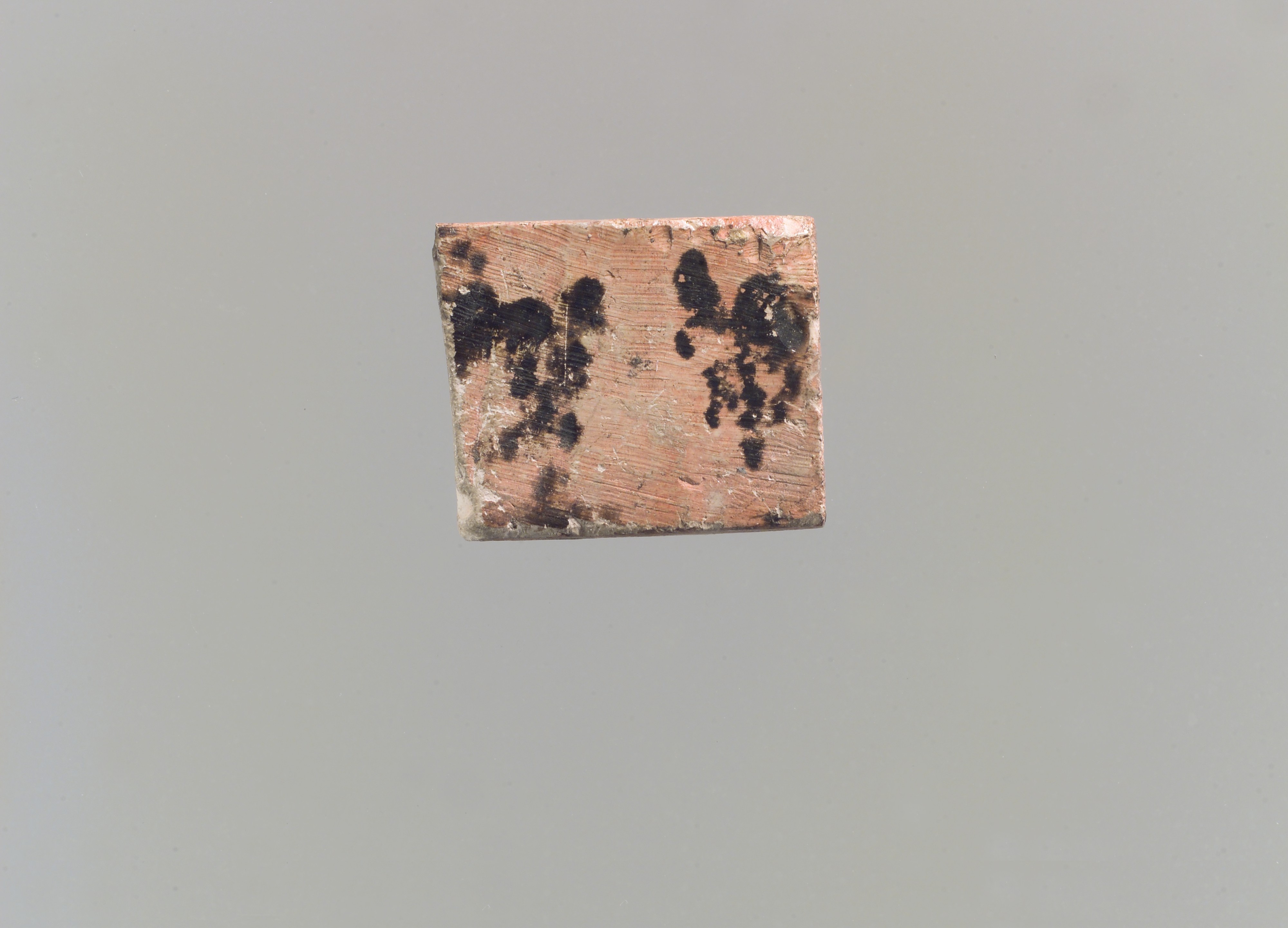
Heritage Analysis: Ivory Inlay from the Old Assyrian Trading Colony
This strategic research paper examines the cultural and symbolic significance of ivory inlay within the Old Assyrian Trading Colony (circa 2000–1700 BCE), with a focused application for Katherine Fashion Lab’s 2026 high-end luxury strategy. As a Lead Heritage Curator, I analyze this heritage craft through the lenses of symbolic power, historical adornment, and spiritual meaning, culminating in actionable insights for contemporary luxury positioning. The subject—ivory inlay—represents a confluence of trade, artistry, and metaphysical belief, offering a rich narrative for brand differentiation in a saturated market.
Symbolic Power of Ivory Inlay in the Old Assyrian Context
Material as Status and Sovereignty
In the Old Assyrian Trading Colony, centered in Anatolia (modern-day Kültepe, Turkey), ivory was a commodity of immense symbolic power. Sourced from elephants and hippopotami via long-distance trade networks extending into the Levant and Egypt, ivory was not merely decorative; it was a marker of political authority and economic dominance. Assyrian merchants, operating through karums (trading posts), used ivory inlay to adorn furniture, ceremonial objects, and personal ornaments, signaling their control over elite exchange systems. The material’s rarity and difficulty of procurement elevated it to a symbol of sovereignty, often reserved for the upper echelons of society—kings, priests, and high-ranking merchants. For Katherine Fashion Lab, this historical precedent underscores the enduring power of exclusive materials in luxury branding. In 2026, ivory alternatives (e.g., tagua nut, bone, or resin) can be positioned as “neo-ivory,” evoking the same sense of scarcity and authority without ethical compromise.
Inlay as a Visual Language of Hierarchy
The technique of inlay—embedding carved ivory pieces into wood, metal, or stone—functioned as a visual language of hierarchy. In Assyrian colonies, inlaid objects often depicted scenes of hunting, mythological beings, or geometric patterns, each carrying coded messages about the owner’s lineage and divine favor. For instance, ivory inlay on a throne armrest might feature a lion motif, symbolizing royal power, while a merchant’s seal inlaid with lapis lazuli and ivory signified contractual authority. This practice aligns with modern luxury’s emphasis on narrative-driven design. Katherine Fashion Lab can adapt this by incorporating symbolic inlay patterns into accessories—such as cuffs, belts, or handbag clasps—that tell a story of heritage and exclusivity, appealing to the 2026 consumer’s desire for meaningful ownership.
Historical Adornment: Ivory Inlay in Personal and Ceremonial Use
Adornment Beyond Aesthetics
Historical adornment in the Old Assyrian period was deeply utilitarian and ritualistic. Ivory inlay was used to embellish personal ornaments such as pendants, hairpins, and belt buckles, as well as larger ceremonial items like incense burners and offering tables. The colony’s records, including cuneiform tablets from Kültepe, indicate that these items were often gifted during diplomatic exchanges or used in marriage negotiations, reinforcing social bonds. The inlay technique required precision: artisans carved ivory into thin veneers, then affixed them with bitumen or resin, creating a luminous contrast against darker substrates. This craftsmanship elevated adornment from mere decoration to a performative act of identity. For Katherine Fashion Lab, this suggests that 2026 luxury should prioritize craftsman-led storytelling, highlighting the hours of labor and skill behind each inlaid piece. A limited-edition collection featuring hand-inlaid motifs—perhaps inspired by Assyrian star or tree-of-life symbols—could command premium pricing while honoring historical techniques.
Trade Networks and Material Legacy
The Old Assyrian Trading Colony was a hub of transcultural exchange, and ivory inlay reflects this globalized heritage. Ivory arrived from distant lands, while local Anatolian metals and stones were combined with it, creating a fusion of styles. This material hybridity is a key lesson for modern luxury: consumers in 2026 will value products that connect them to a broader cultural tapestry. Katherine Fashion Lab can leverage this by partnering with artisans from regions historically linked to ivory trade (e.g., Turkey, Lebanon, or East Africa) to create cross-cultural inlay collections. The narrative of “trade as heritage” can be marketed through digital content, such as short films tracing the journey of a tagua nut from forest to atelier, thereby enhancing brand authenticity.
Spiritual Meaning: Ivory Inlay as a Conduit for the Divine
Sacred Geometry and Protective Symbolism
Ivory inlay in the Old Assyrian context carried profound spiritual meaning. The material itself was considered apotropaic—capable of warding off evil spirits—due to its animal origin and rarity. Inlaid patterns often incorporated sacred geometry, such as rosettes, spirals, and interlocking squares, which were believed to channel divine energy. For example, ivory inlay on a temple door might feature a sunburst motif, invoking the god Ashur’s protection. This spiritual dimension aligns with the 2026 luxury trend toward wellness and intentionality. Katherine Fashion Lab can imbue its inlay designs with symbolic protective elements—such as the “Eye of Ashur” or “Tree of Life” motifs—positioning them as talismanic accessories. Marketing copy should emphasize the metaphysical properties of the materials, appealing to consumers seeking emotional resonance in their purchases.
Ritual Use and Transcendence
Archaeological evidence from the Old Assyrian colony at Kültepe reveals that ivory-inlaid objects were often used in funerary and dedicatory rituals. These items were buried with elites to accompany them into the afterlife, signifying the belief that inlay could transcend the physical realm. The process of inlaying—where one material is embedded into another—metaphorically represented the union of earth and spirit. For Katherine Fashion Lab, this suggests a 2026 strategy that frames inlay as a meditative craft. A “Heritage Inlay” line could include bespoke pieces where customers choose motifs representing personal aspirations (e.g., prosperity, protection, or legacy), creating a ritual of co-creation. This deepens brand loyalty and positions the Lab as a steward of spiritual heritage.
2026 High-End Luxury Strategy: Translating Heritage into Modern Value
Material Ethics and Narrative Scarcity
The ethical implications of historical ivory use demand a responsible reinterpretation. In 2026, high-end luxury consumers will prioritize sustainability without sacrificing prestige. Katherine Fashion Lab should adopt certified sustainable alternatives (e.g., vegetable ivory from tagua nuts, recycled bone, or lab-grown calcium composites) that mimic the texture and luster of ancient ivory. These materials can be marketed as “Regenerated Ivory,” emphasizing their eco-conscious provenance. The scarcity narrative should shift from material rarity to craftsmanship rarity: each inlay piece is limited to a small production run, with a certificate of authenticity detailing the artisan’s lineage and technique. This approach mirrors the Old Assyrian model of controlled distribution through elite networks.
Strategic Positioning: The “Assyrian Revival” Collection
For 2026, I recommend launching a capsule collection titled “Ashur’s Inlay”, inspired by the Old Assyrian Trading Colony. Key design elements include:
Motifs: Geometric rosettes, winged discs, and cuneiform-inspired patterns, executed in white tagua nut inlay against black ebony or oxidized silver bases.
Product Categories: Statement cuffs, modular necklace pendants, and clutch bag frames—items that allow for visual prominence of the inlay.
Pricing Strategy: Position at the ultra-luxury tier ($5,000–$20,000), justified by the historical narrative and limited production (e.g., 100 pieces per design).
Retail Experience: Offer in-store “inlay workshops” where clients can select motifs and watch artisans embed them, creating a ritual purchase journey that echoes ancient commissioning practices.
Marketing and Cultural Authority
To establish cultural authority, Katherine Fashion Lab should collaborate with museum curators and Assyriologists to validate the historical accuracy of designs. Digital storytelling can include augmented reality (AR) experiences that overlay ancient inlay artifacts onto the contemporary product, allowing customers to “unlock” the spiritual meaning of each motif. This aligns with the 2026 trend of phygital luxury, where heritage and technology converge. Additionally, a portion of proceeds could fund conservation of Assyrian archaeological sites, reinforcing the brand’s commitment to cultural preservation.
Conclusion: Ivory Inlay as a Blueprint for Enduring Luxury
The ivory inlay of the Old Assyrian Trading Colony offers a timeless blueprint for luxury: symbolic power, historical depth, and spiritual resonance. For Katherine Fashion Lab, this heritage is not a relic but a strategic asset for 2026. By ethically reimagining materials, celebrating craftsmanship, and embedding narrative into every piece, the Lab can capture the discerning consumer who seeks authenticity and meaning. The inlay technique—where one substance is forever united with another—becomes a metaphor for the brand’s mission: to embed heritage into modern identity, creating objects that are not merely adorned, but inhabited by history. This strategic approach ensures that Katherine Fashion Lab stands at the intersection of past and future, commanding both reverence and desire in the high-end luxury market.