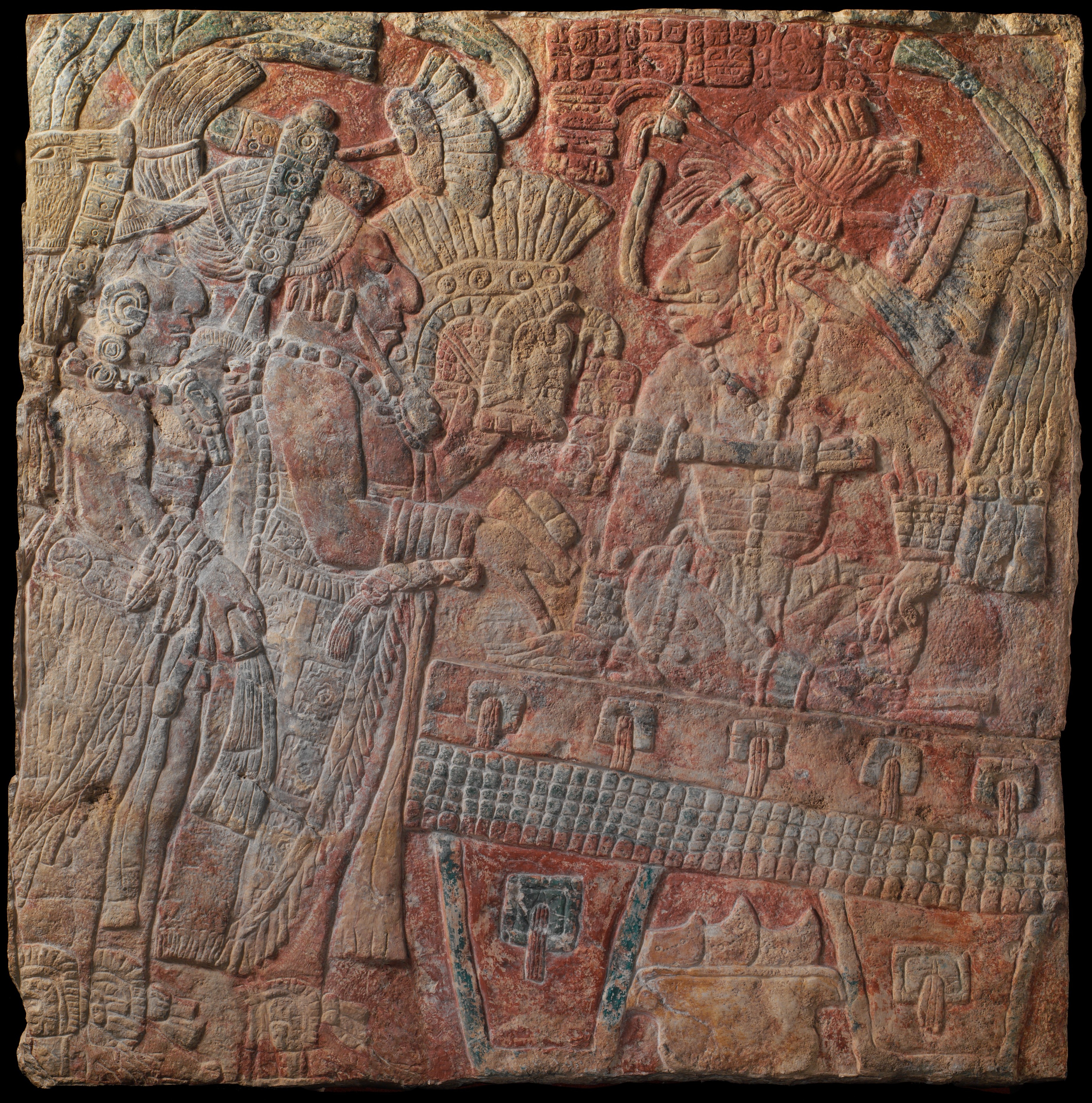
Heritage Analysis: The Maya Relief with Enthroned Ruler
This strategic research paper examines a Maya limestone relief depicting an enthroned ruler, integrating archaeological scholarship with contemporary luxury brand strategy. As Lead Heritage Curator for Katherine Fashion Lab, I analyze this artifact through the lenses of symbolic power, historical adornment, and spiritual meaning, culminating in actionable insights for the 2026 high-end luxury market. The relief, originating from the Classic Maya period (circa 250–900 CE), serves as a profound case study in how material culture encodes authority, identity, and transcendence—values that resonate deeply with modern luxury consumers seeking authenticity and narrative depth.
Symbolic Power: The Throne as a Cosmological Axis
Hierarchy and Sovereignty in Maya Iconography
The enthroned ruler is not merely a political figure but a cosmic intermediary. In Maya cosmology, the throne (k’uhul ajaw) represents the axis mundi, connecting the terrestrial realm to the celestial and underworld domains. The ruler’s elevated posture, often accompanied by a double-headed serpent bar or a ceremonial staff, signifies control over time, fertility, and the divine. For Katherine Fashion Lab, this spatial hierarchy translates into vertical design elements—elongated silhouettes, structured shoulders, and tiered layering—that visually assert dominance and transcendence. In 2026, luxury brands can leverage this symbolism through throne-inspired seating in flagship stores or elevated platform shoes that metaphorically lift the wearer above the mundane.
Regalia as a Visual Language of Authority
Maya rulers adorned themselves with jadeite pectorals, spondylus shell ear flares, and headdresses depicting dynastic ancestors or supernatural beings. Each material carried weight: jade symbolized breath, life, and the maize god; shell evoked the watery underworld. The relief’s limestone medium, once painted in vibrant reds, blues, and greens, further amplified this visual rhetoric. For Katherine Fashion Lab, the lesson is clear: material provenance is a cornerstone of luxury. Sourcing rare, ethically mined gemstones or commissioning hand-painted textiles with symbolic motifs—such as a serpentine pattern representing royal lineage—can imbue products with an aura of sacred power. The 2026 strategy should prioritize limited-edition capsules where each piece tells a story of dynastic continuity.
Historical Adornment: Craftsmanship as Cultural Capital
Technical Mastery in Maya Art
The relief’s limestone carving demonstrates extraordinary precision: the ruler’s profile is rendered with sharp, incised lines, while the throne’s glyphic text records lineage and conquest. Traces of paint reveal a polychrome palette achieved through mineral pigments—hematite for red, azurite for blue, and malachite for green. This technical mastery was not decorative but functional; it communicated the ruler’s ability to command skilled artisans, thus reinforcing economic and political power. For modern luxury, artisanal heritage is a key differentiator. Katherine Fashion Lab can collaborate with contemporary Maya weavers, lapidaries, or feather workers to create bespoke adornments—such as embroidered cloaks or carved jade pendants—that honor traditional techniques while meeting high-end quality standards.
Adornment as Identity and Legacy
Maya adornment was deeply personal yet public. The ruler’s ear flares, nose ornaments, and tattoos were permanent markers of status, often modified over a lifetime to reflect new achievements. In the relief, the ruler’s headdress may include a zoomorphic figure—a jaguar or quetzal—linking him to specific ancestors or deities. This concept of evolving identity through adornment is highly relevant for 2026 luxury consumers, who seek pieces that grow with them. Katherine Fashion Lab might offer modular jewelry systems where components (e.g., detachable charms, interchangeable gemstones) can be added over time, creating a personal narrative. Additionally, custom portraiture services could allow clients to commission miniature relief-style cameos, embedding their own lineage into wearable art.
Spiritual Meaning: The Sacred in the Secular
Ritual Function and Cosmic Reciprocity
The relief was likely part of a larger architectural context—a temple or palace—where it served a ritual function. Maya rulers performed bloodletting ceremonies, visionary trances, and ballgame rituals to maintain cosmic order. The enthroned figure’s calm, frontal gaze suggests he is in a state of divine communion, receiving power from the gods to ensure agricultural abundance. For Katherine Fashion Lab, this spiritual dimension can be translated into ritualized retail experiences. Pop-up installations that mimic temple spaces, complete with incense, ambient soundscapes, and guided meditation, can elevate the act of purchasing into a modern ceremony. Products could be blessed or activated during these events, mirroring the Maya belief that objects carry spiritual energy.
Symbolism of Color and Light
The original paint on the relief would have glowed under torchlight, creating a dramatic interplay of shadow and illumination. Maya blue—a pigment made from indigo and palygorskite clay—was particularly revered for its celestial associations. In 2026, luxury brands can harness light-reactive materials such as photochromic fabrics or iridescent coatings that shift color in different lighting. A Katherine Fashion Lab gown, for instance, might reveal hidden glyphic patterns under UV light, referencing the Maya concept of hidden knowledge accessible only to the initiated. This approach appeals to the high-net-worth individual’s desire for exclusivity and depth.
2026 High-End Luxury Strategy: From Artifact to Icon
Narrative-Driven Collections
The Maya relief offers a rich narrative arc: the ruler’s journey from mortal to divine, from individual to ancestor. Katherine Fashion Lab’s 2026 strategy should center on seasonal storytelling rooted in this artifact. A capsule collection titled “Axis Mundi” could feature three chapters: Throne (structured silhouettes, regal capes), Regalia (jade-toned jewelry, shell-inspired accessories), and Transcendence (flowing fabrics, luminous finishes). Each piece would include a digital provenance tag—an NFT or QR code—linking to a video essay on Maya symbolism, thereby merging heritage with Web3 technology.
Experiential Luxury and Cultural Stewardship
Today’s luxury consumers value experiential immersion over mere product ownership. Katherine Fashion Lab can host curated retreats in Maya archaeological sites (e.g., Palenque or Tikal), where clients participate in workshops with local artisans, attend lectures on iconography, and view the original relief in museum archives. A portion of proceeds should fund conservation efforts for Maya artifacts, positioning the brand as a cultural steward. This aligns with the 2026 trend toward regenerative luxury, where profit is tied to preservation.
Material Innovation with Heritage Integrity
Finally, the 2026 strategy must innovate without losing authenticity. While Maya artisans used limestone and natural pigments, Katherine Fashion Lab can develop sustainable composites that mimic the texture and weight of stone—such as bio-resin infused with marble dust—for use in accessories or footwear. Similarly, plant-based dyes derived from indigo, cochineal, and annatto can replicate the original palette, appealing to eco-conscious clients. The key is to translate ancient wisdom into modern materials, ensuring that each piece carries the spiritual weight of its inspiration.
Conclusion: The Throne as a Mirror for Modern Luxury
The Maya relief with enthroned ruler is not a static artifact but a dynamic blueprint for luxury in 2026. Its symbolic power teaches us that hierarchy can be aspirational, not oppressive; its historical adornment reminds us that craftsmanship is the ultimate capital; and its spiritual meaning affirms that luxury, at its core, is a search for transcendence. For Katherine Fashion Lab, the path forward lies in honoring this heritage through narrative depth, material integrity, and experiential immersion—creating not just products, but legacies that resonate across millennia.