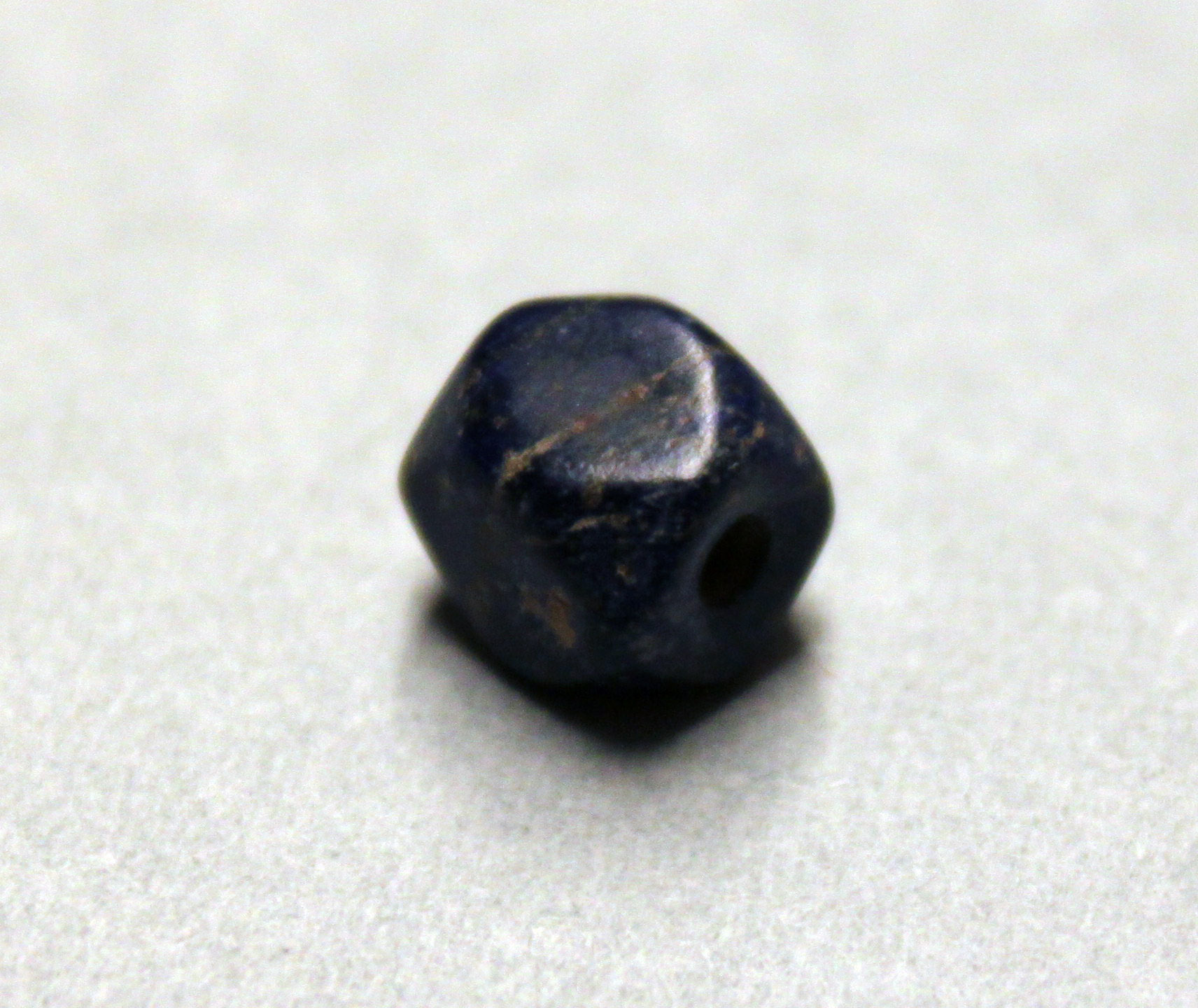
Strategic Heritage Analysis: Lapis Lazuli Beads in Ancient Civilizations
This standalone research paper, prepared for Katherine Fashion Lab, examines the symbolic, historical, and spiritual dimensions of lapis lazuli beads within ancient civilizations. As a medium of cut, polished lapis lazuli, these beads represent a convergence of material rarity, spiritual significance, and aesthetic authority. The analysis concludes with a forward-looking strategy for integrating this heritage into a 2026 high-end luxury brand narrative, emphasizing exclusivity, cultural storytelling, and consumer resonance.
Symbolic Power of Lapis Lazuli Beads
In ancient Mesopotamia, Egypt, and the Indus Valley, lapis lazuli was not merely a decorative stone but a symbol of celestial authority and divine favor. The deep, ultramarine blue, flecked with golden pyrite inclusions, evoked the night sky, stars, and the heavens themselves. Beads crafted from this stone were worn by royalty, high priests, and elite warriors as markers of their proximity to the gods. The symbolic power of lapis lazuli beads rested on three pillars: divine connection, royal legitimacy, and protective potency. For instance, in Sumerian royal tombs, lapis lazuli beads were placed on the deceased as amulets to ensure safe passage into the afterlife, reinforcing the belief that the stone could bridge mortal and immortal realms. This symbolic weight made lapis lazuli beads a currency of spiritual and temporal power, transcending mere ornamentation.
Historical Adornment: From Amulet to Status Marker
The historical trajectory of lapis lazuli beads reveals a sophisticated system of trade, craftsmanship, and social hierarchy. Archaeological evidence from sites such as Tepe Hissar in Iran and the Royal Cemetery at Ur indicates that lapis lazuli beads were among the most valued items in ancient economies, traded across thousands of miles from the mines of Badakhshan (modern-day Afghanistan) to the courts of Egypt and Mesopotamia. The beads were typically cut into cylindrical, spherical, or faceted shapes, with perforations for threading into necklaces, bracelets, and headdresses. Their use in funeral regalia, such as the elaborate bead netting found on the mummy of Tutankhamun, demonstrates that lapis lazuli beads were integral to both life and death rituals. This historical context positions lapis lazuli beads as a testament to human ingenuity in sourcing, shaping, and sacralizing a material that was both exotic and enduring. For Katherine Fashion Lab, this history underscores the bead’s potential as a narrative anchor for collections that evoke timelessness and cross-cultural sophistication.
Spiritual Meaning: The Bead as a Talisman
Beyond their material value, lapis lazuli beads carried profound spiritual meaning. In ancient Egyptian belief, the stone was associated with the goddess Isis and the sky god Nut, and it was thought to bestow wisdom, courage, and protection upon the wearer. The beads were often inscribed with hieroglyphs or symbols, such as the Eye of Horus, to amplify their talismanic properties. In Mesopotamia, lapis lazuli beads were incorporated into cylinder seals and amulets, used in rituals to invoke the favor of deities like Inanna and Enki. The spiritual dimension of lapis lazuli beads is further evidenced by their inclusion in burial goods, where they were believed to guide the soul through the underworld. This spiritual heritage offers a rich reservoir of meaning for modern luxury consumers, who increasingly seek products that provide a sense of grounding, protection, or transcendence. By tapping into this ancient belief system, Katherine Fashion Lab can position lapis lazuli beads as more than adornment—they become instruments of personal empowerment and spiritual continuity.
2026 High-End Luxury Strategy: Heritage as Competitive Advantage
For Katherine Fashion Lab, the strategic integration of lapis lazuli beads into a 2026 luxury collection requires a deliberate alignment of heritage authenticity with contemporary consumer desires. The following framework outlines key pillars for this strategy:
1. Exclusivity Through Provenance and Craftsmanship
The rarity of high-quality lapis lazuli, combined with the historical significance of its ancient mining sources, provides a natural foundation for exclusivity. Katherine Fashion Lab should partner with ethical suppliers who can trace the stone’s origin to the Badakhshan region, ensuring transparency and narrative integrity. Each bead should be hand-cut by master artisans, preserving the ancient techniques of faceting and polishing. This commitment to provenance and craftsmanship will justify premium pricing and differentiate the brand in a market saturated with mass-produced luxury goods.
2. Narrative-Driven Design and Storytelling
The 2026 collection should be framed around a cohesive narrative that weaves together the symbolic, historical, and spiritual dimensions of lapis lazuli beads. For example, a “Celestial Legacy” line could feature beadwork inspired by ancient astral motifs, while a “Royal Amulet” series could incorporate protective symbols. Marketing materials—including lookbooks, digital content, and in-store experiences—should emphasize the beads’ journey from ancient mines to modern wrists, highlighting the cultural continuity and transcendent beauty of the stone. This narrative approach resonates with luxury consumers who value meaningful consumption and emotional connection.
3. Experiential Retail and Digital Engagement
To deepen consumer engagement, Katherine Fashion Lab should create immersive retail experiences that evoke the ancient context of lapis lazuli beads. Pop-up installations could simulate a Mesopotamian court or an Egyptian tomb, using lighting, sound, and tactile materials to transport visitors. Digital platforms can offer interactive storytelling, such as virtual tours of the Badakhshan mines or augmented reality try-ons that overlay ancient bead motifs onto contemporary silhouettes. These experiences reinforce the brand’s authority in heritage luxury and foster a sense of discovery among discerning clients.
4. Limited-Edition Collaborations and Collectibility
Lapis lazuli beads lend themselves naturally to limited-edition releases, given the finite supply of high-grade stones. Katherine Fashion Lab should collaborate with contemporary artists, historians, or jewelry designers to create capsule collections that reinterpret ancient bead forms for modern wear. Each piece could be numbered and accompanied by a certificate of authenticity that details its historical and spiritual significance. This approach not only drives urgency but also positions the beads as collectible art objects, appealing to investors and connoisseurs.
5. Sustainability and Ethical Stewardship
Modern luxury consumers are increasingly attentive to ethical sourcing and environmental impact. Katherine Fashion Lab should champion sustainable mining practices in the lapis lazuli supply chain, ensuring that local communities benefit from the trade. The brand can also explore upcycling ancient bead fragments—where available—into new designs, thereby honoring the material’s history while reducing waste. This commitment to stewardship aligns with the spiritual values of protection and respect that have long been associated with the stone.
6. Price Positioning and Market Segmentation
Given the rarity and heritage value of lapis lazuli beads, the 2026 collection should be positioned at the ultra-luxury tier, with prices reflecting the cost of materials, craftsmanship, and narrative exclusivity. Target clients include high-net-worth individuals, art collectors, and fashion-forward tastemakers who seek unique pieces with deep cultural resonance. A pre-launch VIP event, featuring a historian or archaeologist as a speaker, can build anticipation and reinforce the collection’s scholarly credibility.
Conclusion
Lapis lazuli beads from ancient civilizations represent a convergence of symbolic power, historical adornment, and spiritual meaning that is unparalleled in the lexicon of luxury materials. For Katherine Fashion Lab, this heritage offers a strategic opportunity to differentiate through authenticity, narrative depth, and ethical stewardship. By integrating these beads into a 2026 collection that emphasizes exclusivity, storytelling, and experiential engagement, the brand can capture the imagination of discerning consumers while honoring the timeless legacy of one of humanity’s most revered adornments. This approach not only elevates the product but also positions Katherine Fashion Lab as a curator of cultural memory in the contemporary luxury landscape.