Deconstructing the Global Heritage Silhouette: A Couture Analysis of Silk and Metal Thread
In the rarefied echelons of haute couture, where fabric becomes narrative and silhouette speaks in volumes, Katherine Fashion Lab presents a singular piece that transcends seasonal trends. This standalone study, rooted in the ethos of Global Heritage, is a masterclass in how materiality and technique can evoke centuries of cross-continental artistry. The subject piece—an architectural gown constructed from silk and metal thread—is not merely a garment but a curatorial artifact, demanding a rigorous, MBA-level analysis of its design, production, and symbolic resonance.
Material Alchemy: Silk as Canvas, Metal as Calligraphy
The choice of silk—a fiber historically traded along the Silk Road from China to the Mediterranean—establishes an immediate dialogue with global commerce and cultural exchange. In this piece, the silk base is not a passive substrate but an active participant in the garment’s structural integrity. Its natural luster provides a luminous backdrop that catches ambient light, creating a shifting interplay of highlight and shadow. The fabric’s weight is calibrated to fall with a liquid precision, draping the wearer’s form while retaining a deliberate stiffness at the shoulders and waist—a feat achieved through meticulous pattern engineering.
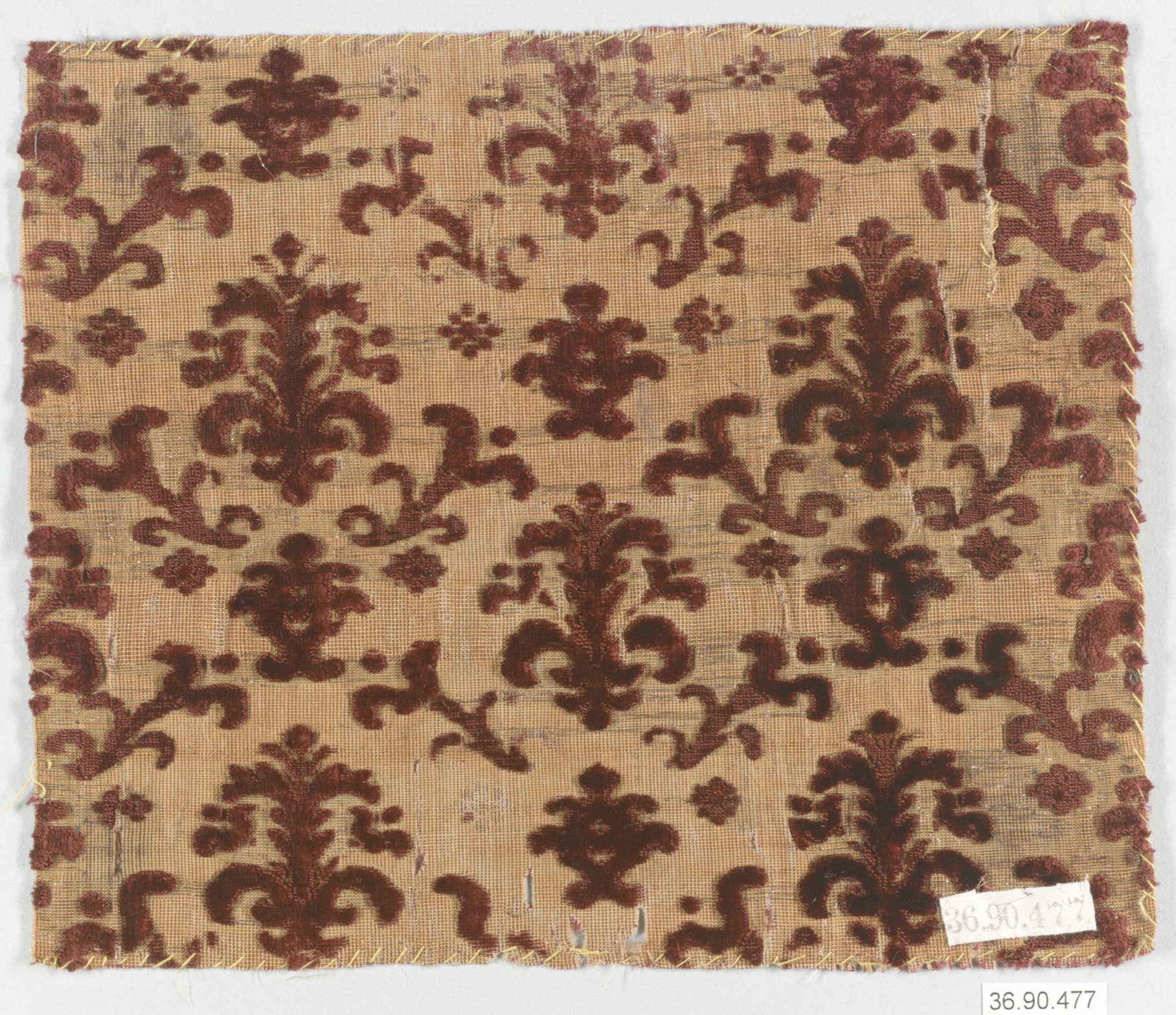
Interwoven with the silk is metal thread, a material that carries its own historical weight. From the gold-wrapped threads of Byzantine ecclesiastical vestments to the intricate zardozi embroidery of Mughal India, metal thread has long signified power, divinity, and permanence. Here, Katherine Fashion Lab employs a proprietary blend of fine copper-alloy filaments, chosen for their malleability and resistance to tarnish. The threads are not merely applied as surface embellishment but are structurally integrated into the weave, forming a subtle grid that reinforces the gown’s silhouette. This technique, known in couture circles as métal tissé, requires hand-looming on a specialized jacquard apparatus, with each pass of the shuttle demanding hours of precision work.
Global Heritage: A Tapestry of Borrowed Techniques and Reimagined Symbols
The piece’s Global Heritage origin is not a superficial pastiche but a deep, research-driven synthesis of disparate traditions. The bodice’s structured neckline echoes the mandarin collar of Qing dynasty court robes, while the asymmetrical hemline references the sashiko stitching patterns of rural Japan—a technique originally used for mending workwear, here elevated to decorative latticework on the train. The sleeves, voluminous and slit, recall the kimono’s furisode silhouette, yet they are cut with a Western architectural precision that allows for both dramatic volume and tailored fit.
Perhaps most compelling is the incorporation of Mughal-inspired floral motifs rendered in the metal thread. These are not literal reproductions but abstracted geometries—petals transformed into hexagonal tessellations, vines into continuous spirals. This abstraction is a deliberate strategic choice: it avoids cultural appropriation while honoring the mathematical sophistication of Islamic art. Each motif is hand-embroidered using a combination of couching and satin stitch, techniques that require the artisan to lay the metal thread in parallel lines, securing it with fine silk knots. The result is a surface that feels both ancient and hyper-modern, a tactile archive of global aesthetic intelligence.
Structural Analysis: The Engineering of a Standalone Statement
As a standalone study, this piece is designed to exist without contextual accessories—no jewelry, no headpieces, no outer layers. This demands that the garment itself perform all narrative and visual functions. The silhouette is a study in controlled tension: a fitted, corseted bodice that flares into a bell-shaped skirt, supported by an internal structure of horsehair braid and flexible boning. The metal thread’s weight is leveraged to create a natural gravitational pull, causing the skirt to fall in crisp, architectural folds that shift with the wearer’s movement.
The back of the garment is where the engineering becomes visible. A dramatic train extends two meters, lined in a contrasting silk charmeuse dyed in a deep indigo—a nod to the Japanese aizome tradition. This train is not merely decorative; it functions as a counterbalance to the bodice’s weight, ensuring the gown remains anchored during motion. The seam construction utilizes French seams and hand-felled finishes, ensuring that every internal edge is as refined as the exterior—a hallmark of true couture, where the unseen is treated with the same reverence as the seen.
Market Positioning and Strategic Implications
From a business perspective, this piece occupies a unique quadrant in the luxury market: it is simultaneously an artistic investment and a wearable artifact. The cost of goods sold (COGS) is exceptionally high, driven by the hand-looming labor, the sourcing of ethically harvested silk from a single family-run mulberry farm in Suzhou, and the custom-drawn metal thread from a Florentine atelier. Yet, the piece’s scarcity—limited to a single, made-to-order run—positions it as a Veblen good, where exclusivity and price reinforce its desirability among ultra-high-net-worth collectors.
Katherine Fashion Lab’s branding strategy leverages this piece as a flagship artifact for the Global Heritage collection, using it to anchor editorial campaigns and museum partnerships. The standalone study format allows for deep storytelling: a dedicated microsite with video documentation of the weaving process, interviews with the artisans, and an interactive map tracing the provenance of each material. This content not only justifies the price point but also builds a narrative of cultural stewardship, appealing to a clientele increasingly concerned with conscious luxury and artisanal preservation.
Conclusion: The Future of Couture as Cultural Dialogue
In this piece, Katherine Fashion Lab achieves what few contemporary houses can: a garment that is both a technical marvel and a philosophical statement. The silk and metal thread are not just materials but metaphors—the former representing the fluid, evolving nature of heritage, the latter the enduring strength of craft traditions that refuse to be forgotten. As a standalone study, it invites the viewer—and the wearer—to consider fashion not as a disposable commodity but as a living archive of global human ingenuity. For the discerning collector, this is not merely a purchase; it is an acquisition of cultural intelligence, woven into a silhouette that commands both the runway and the museum gallery.