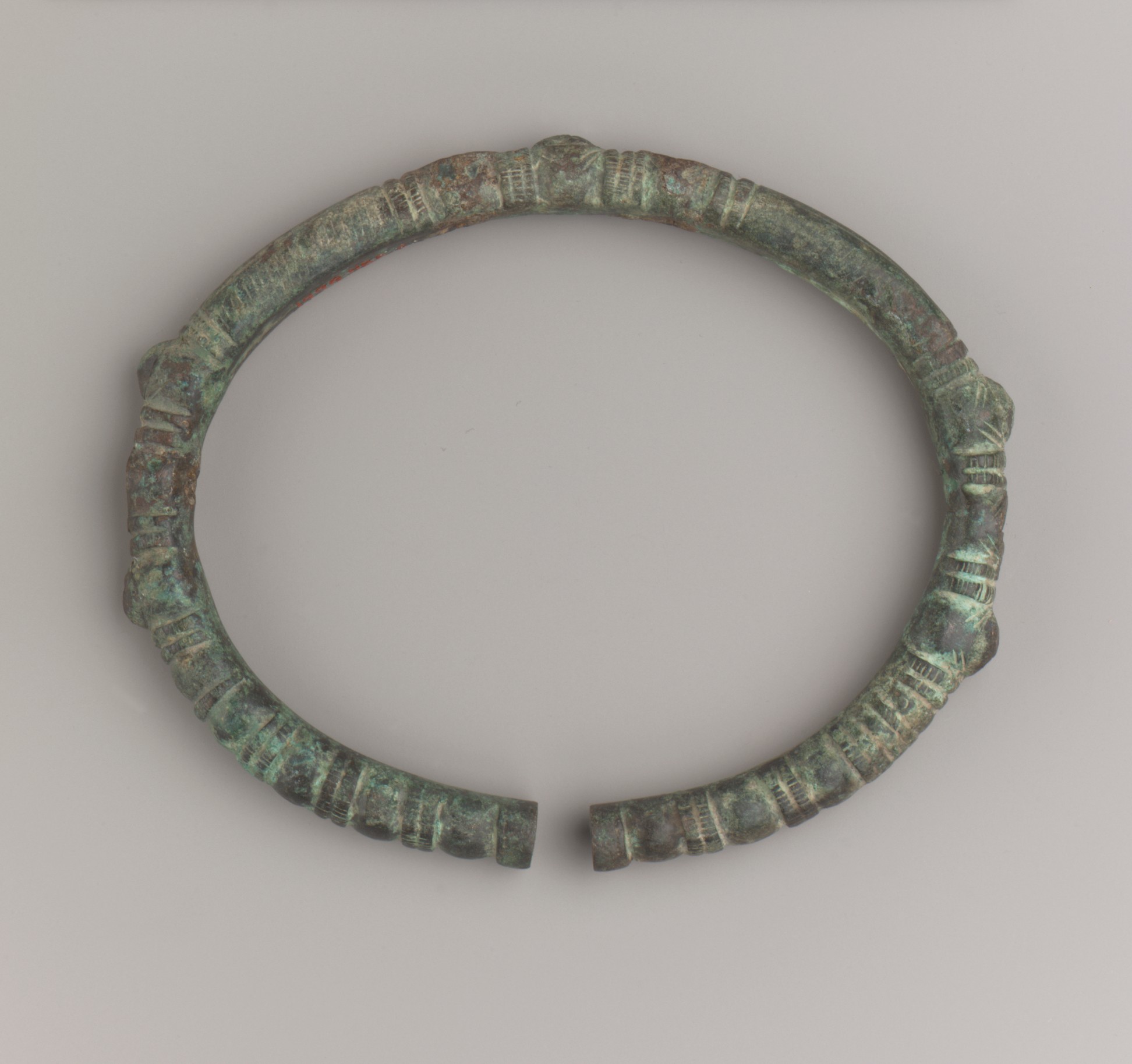
Heritage Analysis: The Middle Niger Copper Alloy Bracelet
This strategic standalone research paper examines the symbolic power, historical adornment practices, and spiritual meaning of a copper alloy bracelet from the Middle Niger civilization, circa 500–1400 CE. The analysis concludes with a forward-looking luxury strategy for Katherine Fashion Lab’s 2026 collection, positioning this ancient artifact as a cornerstone of high-end brand narrative and product development.
Cultural and Historical Context of the Middle Niger Civilization
The Middle Niger civilization, flourishing along the inland delta of the Niger River in present-day Mali, represents one of West Africa’s most sophisticated pre-colonial societies. Archaeological evidence from sites such as Jenne-Jeno, Dia, and Timbuktu reveals a complex urban culture with advanced metallurgy, long-distance trade networks, and hierarchical social structures. Copper alloy bracelets, often crafted through lost-wax casting or hammering techniques, were not merely decorative items but served as potent symbols of status, spiritual protection, and communal identity. The medium itself—copper alloy—was imported from Saharan and sub-Saharan sources, making it a rare and precious material that signified wealth and access to trans-Saharan trade routes.
Symbolic Power and Social Hierarchy
In the Middle Niger civilization, the copper alloy bracelet functioned as a tangible marker of authority and prestige. Archaeological excavations have uncovered these bracelets in elite burial contexts, often paired with other luxury goods such as glass beads, ivory ornaments, and imported ceramics. The weight, thickness, and intricate design of the bracelet directly correlated with the wearer’s social rank. For instance, heavy, solid-cast bracelets with geometric patterns were reserved for chiefs, warriors, and religious leaders, while lighter, simpler versions were worn by lower-status individuals. This hierarchical symbolism aligns with anthropological theories of adornment as a form of “social skin,” where metal ornaments communicate power, lineage, and access to resources. For Katherine Fashion Lab, this symbolic power offers a potent narrative for a 2026 luxury bracelet collection: each piece can be designed to evoke authority and exclusivity, with limited-edition “chieftain” variants in high-karat gold or platinum.
Historical Adornment and Craftsmanship
The craftsmanship of Middle Niger copper alloy bracelets reflects a mastery of metallurgy that rivaled contemporaneous civilizations in Europe and Asia. Artisans employed the lost-wax technique, creating intricate patterns such as spirals, chevrons, and interlocking loops that held cosmological significance. These designs were not arbitrary; they echoed motifs found on pottery, textiles, and ritual objects, suggesting a unified visual language across media. The bracelets were often worn in multiples, stacked on both wrists and ankles, creating a rhythmic sound that announced the wearer’s presence. This auditory dimension of adornment—the “clinking” of metal—served as a non-verbal communication of status and identity. For Katherine Fashion Lab’s 2026 strategy, this historical emphasis on multisensory luxury can be translated into sonic branding: bracelets designed with specific alloys and closures that produce a distinctive, harmonious tone when worn, reinforcing the brand’s commitment to experiential opulence.
Spiritual Meaning and Protective Functions
Beyond social status, the Middle Niger copper alloy bracelet held profound spiritual meaning. Copper and its alloys were believed to possess apotropaic properties—the ability to ward off evil spirits, illness, and malevolent forces. This belief stemmed from the metal’s association with the earth, its reddish hue reminiscent of blood and life force, and its durability, symbolizing eternal protection. Bracelets were often consecrated through rituals involving libations, incantations, or exposure to sacred smoke before being worn. They were also interred with the deceased to safeguard the soul in the afterlife. In some communities, specific patterns—such as the zigzag or serpent motif—were linked to water spirits and ancestral guardians. For a 2026 luxury strategy, Katherine Fashion Lab can integrate this spiritual dimension by offering a “Blessed Collection,” where each bracelet is accompanied by a certificate of ritual blessing performed by cultural custodians, or by embedding protective symbols into the design itself, such as engraved labyrinths or celestial motifs. This approach appeals to the growing market for “meaningful luxury,” where consumers seek objects with deeper, talismanic resonance.
Strategic Implications for 2026 High-End Luxury
Integrating the Middle Niger copper alloy bracelet into Katherine Fashion Lab’s 2026 collection requires a multifaceted strategy that honors heritage while aligning with contemporary luxury trends. The following recommendations are grounded in the artifact’s symbolic, historical, and spiritual attributes.
Design Philosophy: Authenticity and Innovation
The 2026 bracelet collection should directly reference Middle Niger motifs—spirals, chevrons, and interlocking loops—while reinterpreting them through modern materials and techniques. Limited-edition pieces could use recycled copper alloys sourced from West African cooperatives, emphasizing ethical sourcing and cultural authenticity. High-end variants in 18-karat gold or palladium can be engraved with micro-patterns derived from archaeological drawings, creating a bridge between ancient craftsmanship and contemporary luxury. The design should also consider ergonomic stacking, allowing wearers to layer multiple bracelets as the original civilization did, thus encouraging repeat purchases and higher average transaction values.
Brand Narrative: The “Guardian” Collection
Position the collection under the name “Guardian,” referencing the bracelet’s protective spiritual function. The narrative should emphasize the object’s journey from the Middle Niger delta to the modern wrist, highlighting the timelessness of human adornment. Marketing materials—including lookbooks, digital content, and in-store experiences—should feature storytelling about the artifact’s excavation, its symbolic meanings, and the ritual practices associated with it. Collaborations with Malian historians, anthropologists, or contemporary artists can lend credibility and depth. This narrative differentiates Katherine Fashion Lab from competitors by offering a product that is not merely beautiful but culturally significant.
Pricing and Exclusivity Strategy
Given the artifact’s association with elite status, the 2026 collection should be priced at a premium tier, with entry-level pieces starting at $2,500 and limited-edition “chieftain” bracelets reaching $25,000 or more. Exclusivity can be enhanced through a numbered edition system, with each bracelet linked to a specific archaeological pattern or site. A private preview event for top clients, featuring a virtual reality tour of the Middle Niger civilization, can generate buzz and reinforce the brand’s intellectual sophistication.
Cultural Stewardship and Ethical Positioning
To avoid accusations of cultural appropriation, Katherine Fashion Lab must adopt a transparent and respectful approach. This includes partnering with Malian heritage organizations, donating a percentage of proceeds to archaeological preservation in the region, and ensuring that design credit is given to the original artisans. A portion of the collection could be produced in collaboration with West African metalworkers, creating economic opportunities while maintaining authenticity. This ethical positioning aligns with the values of high-net-worth consumers who increasingly demand social responsibility from luxury brands.
Conclusion
The Middle Niger copper alloy bracelet is far more than an ancient ornament; it is a repository of symbolic power, historical craftsmanship, and spiritual meaning. For Katherine Fashion Lab, this artifact offers a rich foundation for a 2026 luxury strategy that merges heritage with innovation, exclusivity with ethical stewardship. By honoring the bracelet’s origins while adapting its essence for contemporary adornment, the brand can create a collection that resonates deeply with discerning clients, positioning itself as a leader in culturally informed luxury. The “Guardian” collection will not only elevate Katherine Fashion Lab’s market standing but also contribute to the preservation and celebration of one of Africa’s most remarkable civilizations.