Heritage Analysis: The Satsuma Biwa as a Strategic Asset for Katherine Fashion Lab
Introduction: The Instrument as a Cultural Artifact
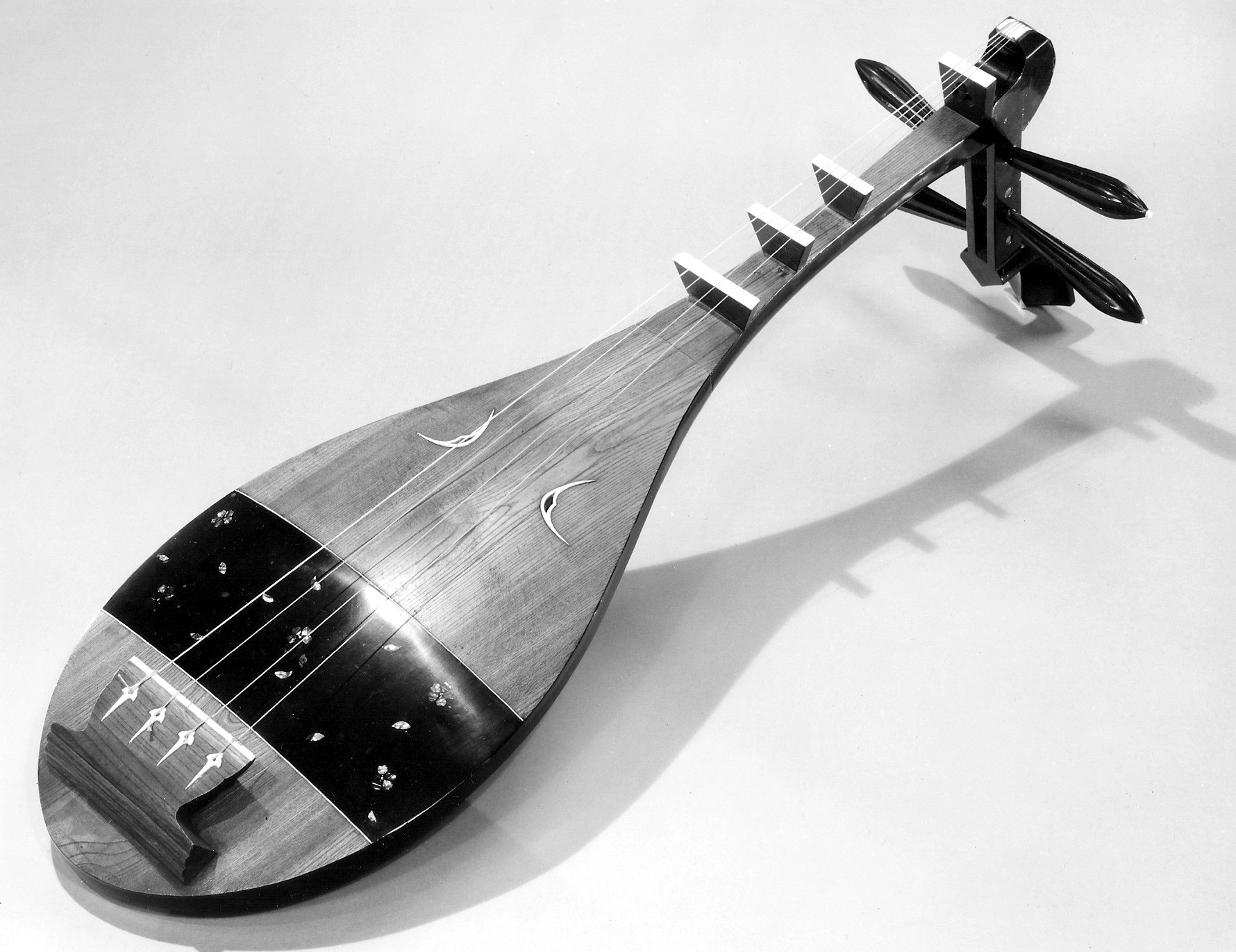
The Satsuma Biwa (薩摩琵琶) is not merely a musical instrument; it is a profound cultural artifact that embodies centuries of Japanese warrior ethos, spiritual discipline, and aristocratic refinement. Originating in the Satsuma domain (modern-day Kagoshima Prefecture) during the late 16th century, this lute-like instrument was historically played by samurai to recite epic tales of valor, loyalty, and Buddhist impermanence. Constructed from resonant wood, adorned with intricate mother-of-pearl inlays, and accented with ivory details, the Satsuma Biwa represents a synthesis of martial power and aesthetic transcendence. For Katherine Fashion Lab, a heritage analysis of this object reveals a rich tapestry of symbolic power, historical adornment, and spiritual meaning—elements that can be strategically leveraged within a 2026 high-end luxury strategy.
The Satsuma Biwa’s design is a study in contrast: its robust, curved body suggests strength and resilience, while its delicate ornamentation speaks to refined taste and meticulous craftsmanship. The instrument’s historical role as a vehicle for storytelling—particularly the Heike Monogatari (The Tale of the Heike)—imbues it with a narrative of ephemeral glory and the Buddhist concept of mujo (impermanence). This dual identity—of power and fragility—positions the Satsuma Biwa as an ideal symbol for a luxury brand seeking to articulate themes of heritage, resilience, and spiritual depth.
Symbolic Power: The Samurai Ethos and Modern Aspiration
At its core, the Satsuma Biwa is a symbol of knightly authority and self-discipline. The samurai class used the instrument not only for entertainment but as a tool for moral instruction and cultural legitimization. The Biwa’s deep, resonant tone was believed to channel the spirit of the warrior, invoking a sense of duty, honor, and stoic acceptance of fate. For Katherine Fashion Lab, this symbolic power translates directly into a brand narrative of mastery over adversity and timeless strength. In a 2026 luxury market increasingly driven by authenticity and purpose, the Satsuma Biwa offers a potent emblem for collections that celebrate resilience, craftsmanship, and the enduring value of tradition.
The instrument’s material composition further amplifies its symbolic weight. The wood—often mulberry or keyaki—represents organic growth and grounding, while mother-of-pearl inlays evoke the ethereal beauty of the natural world. Ivory accents, historically sourced from elephant or walrus tusks, signify rarity and exclusivity. Together, these materials create a visual language of contrast and unity: the raw and the refined, the earthly and the celestial. A high-end luxury strategy can harness this duality by incorporating similar material juxtapositions—such as polished woods with iridescent shell details—into accessory lines, jewelry, or textile patterns, thereby creating a sensory experience that resonates with the discerning consumer’s desire for meaningful objects.
Historical Adornment: Craftsmanship and the Art of Inlay
The Satsuma Biwa’s adornment is a testament to the pinnacle of Japanese decorative arts. The mother-of-pearl inlays, often arranged in geometric patterns or floral motifs, are executed with extraordinary precision, requiring months of labor by master artisans. This level of craftsmanship aligns seamlessly with the principles of monozukuri (the art of making things) and shokunin kishitsu (artisan spirit), which are highly valued in contemporary luxury markets. The ivory details, while controversial in modern contexts, historically signified access to rare materials and global trade networks, further enhancing the instrument’s status as a luxury object.
For Katherine Fashion Lab, the historical adornment of the Satsuma Biwa offers a blueprint for narrative-driven design. The mother-of-pearl inlays can inspire a signature motif—perhaps a recurring pattern of overlapping crescents or wave-like forms—that appears across ready-to-wear, accessories, and packaging. This motif would serve as a visual shorthand for the brand’s commitment to heritage and meticulous detail. Additionally, the instrument’s use of ivory (now ethically replaced with sustainable alternatives such as tagua nut or resin) can inform a conversation about responsible luxury, where the brand acknowledges historical practices while embracing modern ethics. By referencing the Satsuma Biwa’s adornment, Katherine Fashion Lab can position itself as a custodian of cultural heritage, not merely a borrower of aesthetic tropes.
Spiritual Meaning: The Biwa as a Bridge Between Worlds
Beyond its martial and aesthetic dimensions, the Satsuma Biwa holds profound spiritual significance. In Japanese Buddhism, the sound of the Biwa is believed to pacify restless spirits and evoke the transient nature of existence. The instrument was often played at funerary rites and memorial ceremonies, serving as a conduit for meditation on life and death. This spiritual layer adds a contemplative depth to the object, transforming it from a mere decorative piece into a talisman of introspection and transcendence.
For a high-end luxury brand in 2026, the spiritual meaning of the Satsuma Biwa can be translated into experiential luxury. Imagine a limited-edition collection accompanied by a curated soundscape of Biwa performances, or a flagship store designed as a meditative space where clients can engage with the instrument’s history through interactive displays. The brand could also partner with contemporary Biwa musicians to create exclusive content that explores themes of mindfulness, legacy, and the beauty of impermanence. This approach not differentiates Katherine Fashion Lab from competitors but also appeals to a growing demographic of consumers who seek luxury as a form of self-cultivation and spiritual enrichment.
2026 High-End Luxury Strategy: Integrating the Satsuma Biwa
To operationalize this heritage analysis, Katherine Fashion Lab should adopt a multi-pronged strategy that weaves the Satsuma Biwa’s symbolic, historical, and spiritual dimensions into a cohesive brand narrative. The following actionable recommendations are proposed:
1. Capsule Collection: “Heike’s Echo”
Develop a capsule collection named after the epic tales associated with the Biwa. This collection would feature garments and accessories in deep, resonant colors (indigo, charcoal, and oxidized silver) with mother-of-pearl buttons, embroidered wave patterns, and wood-like textures. Each piece would be accompanied by a booklet explaining the Biwa’s history and its connection to the design, thereby educating the client and deepening brand loyalty.
2. Artisan Collaborations
Partner with master Biwa makers in Kyoto or Kagoshima to produce a limited run of wearable art—such as hand-carved brooches or cufflinks—using traditional techniques. These items would be sold at a premium, with proceeds supporting the preservation of Biwa craftsmanship. This collaboration reinforces the brand’s commitment to cultural sustainability and offers a unique value proposition for collectors.
3. Immersive Retail Experiences
Design flagship store installations that recreate the atmosphere of a samurai’s study: dark wood panels, soft lighting, and a live Biwa performance at select hours. Clients could book private listening sessions, where a musician plays the Biwa while a curator explains the instrument’s symbolism. This sensory engagement transforms shopping into a ritual, aligning with the spiritual dimension of the Biwa.
4. Digital Storytelling Campaign
Launch a multimedia campaign titled “The Sound of Power,” featuring short films that juxtapose the Biwa’s history with modern narratives of resilience and creativity. Use high-profile influencers from art, fashion, and martial arts to amplify the message. The campaign would culminate in an exclusive event at a historic Japanese temple, blending heritage with contemporary luxury.
Conclusion: The Biwa as a Strategic Compass
The Satsuma Biwa is far more than an antique curiosity; it is a living repository of Japanese cultural memory, offering rich symbolic, historical, and spiritual resources for a brand aspiring to lead in the 2026 luxury landscape. By embracing the Biwa’s ethos of disciplined power, refined adornment, and contemplative depth, Katherine Fashion Lab can craft a heritage-driven strategy that resonates with the modern consumer’s search for authenticity, purpose, and transcendence. In doing so, the brand not only honors a centuries-old tradition but also charts a course toward a future where luxury is measured not by excess, but by meaning.