The Art of Global Heritage: A Couture Analysis of Silk as a Singular Subject
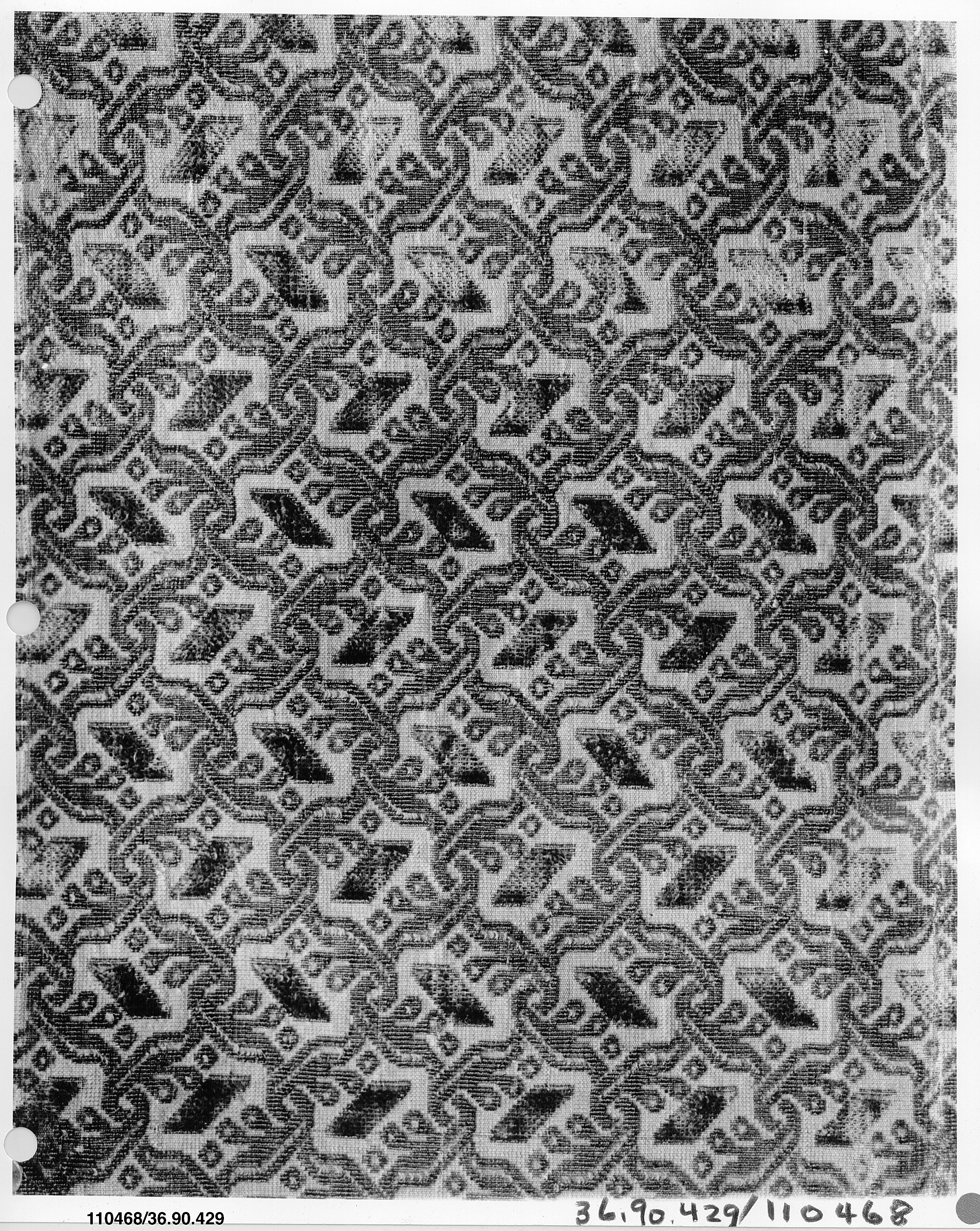
In the rarefied domain of haute couture, where fabric is not merely a medium but a manifesto, Katherine Fashion Lab presents a compelling study of silk as a standalone piece. This analysis, framed within the context of global heritage, transcends conventional garment critique to explore silk as a living archive—a material that carries the weight of centuries, geographies, and artisanal traditions. The piece under examination is not a dress, a jacket, or a gown; it is an unadulterated exploration of silk’s intrinsic narrative, stripped of extraneous embellishment to reveal the profound dialogue between heritage and modernity.
The choice of silk as the sole subject for this standalone study is deliberate and strategic. Silk, often termed the "queen of textiles," has been a cornerstone of global trade and cultural exchange since antiquity. From the ancient Silk Road to the opulent courts of Europe and the refined workshops of Kyoto, silk embodies a duality of fragility and resilience. Katherine Fashion Lab’s approach elevates this material beyond its physical properties, positioning it as a vessel for collective memory. The piece, therefore, functions as a tactile artifact—one that invites the observer to reconsider the boundaries between craft, culture, and commerce.
Heritage as a Design Imperative
Global heritage, in this context, is not a superficial aesthetic borrowing but a rigorous, research-driven foundation. The piece draws from a spectrum of silk traditions: the lustrous, tightly woven Habutai of Japan, the richly patterned Ikat of Central Asia, and the supple, hand-dyed Patola of India. Each technique is referenced not as a decorative motif but as a structural principle. The fabric’s weave, weight, and finish are calibrated to evoke specific historical periods and geographic origins. For instance, the subtle irregularities in the silk’s surface echo the hand-spun threads of pre-industrial looms, while the color palette—a restrained gradient of indigo, ochre, and ivory—mirrors the natural dyes used across ancient trade routes.
This approach demands a redefinition of authenticity. In an era of fast fashion and digital replication, Katherine Fashion Lab’s piece insists on the primacy of material truth. The silk is sourced from a single, ethically managed sericulture farm in the Yangtze River Delta, where silkworms are fed on organic mulberry leaves and the cocoons are harvested with minimal mechanical intervention. The resulting fabric is a testament to slow production—a counterpoint to the homogenized, machine-made textiles that dominate contemporary markets. By foregrounding heritage, the piece becomes a form of resistance against the erasure of artisanal knowledge.
The Materiality of Silk: Beyond Surface
To analyze silk solely through its visual appeal is to miss its deeper significance. Katherine Fashion Lab treats the material as a dynamic entity, one that responds to light, movement, and touch with a sensitivity that synthetic fabrics cannot replicate. The piece is constructed as a single, continuous drape—a form that challenges the traditional cut-and-sew methodology. This construction technique, known as zero-waste draping, honors the silk’s natural length and width, minimizing offcuts and emphasizing the fabric’s inherent flow.
The tactile experience is paramount. The silk’s weight—a medium-heavy charmeuse—allows it to fall in soft, sculptural folds, while its drape creates a sense of ethereal weightlessness. The surface tension is manipulated through a series of hand-pleated gathers, each fold a deliberate nod to the shibori resist-dyeing techniques of Japan. These pleats are not merely decorative; they alter the fabric’s light-refractive properties, creating a shifting interplay of shadows and highlights. In dim light, the piece appears monochromatic and subdued; under direct illumination, it reveals an internal complexity of texture and depth.
Such materiality carries a philosophical weight. Silk, as a protein fiber, is inherently biodegradable and renewable—a fact that aligns with contemporary sustainability imperatives. Yet Katherine Fashion Lab goes further, embedding the piece with a narrative of impermanence. The silk is unfinished along one edge, a deliberate raw hem that signals the material’s continuum from past to future. This detail invites the wearer—or the viewer—to contemplate the lifecycle of the garment, from cultivation to eventual decay. It is a quiet but potent reminder that heritage is not static; it evolves, fades, and regenerates.
Contextualizing the Standalone Study
Why examine a single piece of silk in isolation? The answer lies in the concept of material narrative. In a fashion industry dominated by seasonal collections and trend cycles, a standalone study offers a moment of focused reflection. It strips away the distractions of styling, branding, and commercial viability, allowing the fabric to speak for itself. This piece functions as a case study in slow fashion—a pedagogical tool for designers, curators, and consumers to understand the complexities of material provenance and craftsmanship.
The global heritage lens further enriches this context. Silk is not the exclusive property of any one culture; it is a shared legacy. The piece acknowledges this by incorporating a cross-stitch motif along the inner seam—a subtle reference to the embroidered traditions of the Ottoman Empire, the Mughal courts, and the Byzantine workshops. These stitches are invisible from the exterior, a private homage to the anonymous artisans who have shaped silk’s global journey. This hidden detail underscores the idea that heritage is often carried in the unseen—the labor, the skill, the stories that are not immediately apparent.
Strategic Implications for Couture and Commerce
From a business perspective, Katherine Fashion Lab’s standalone study challenges the prevailing economic models of luxury fashion. The piece is not produced for mass consumption; it is a limited edition, with each iteration requiring weeks of hand-finishing. This scarcity is not a marketing gimmick but a reflection of the time-intensive processes that define true couture. The pricing strategy, therefore, is based on value rather than volume—a premium that accounts for the ethical sourcing, artisanal labor, and cultural research embedded in every fiber.
Moreover, the piece serves as a strategic statement of brand identity. In a marketplace saturated with logo-driven luxury, Katherine Fashion Lab positions itself as a curator of meaning. The standalone study acts as a tangible manifesto, communicating the brand’s commitment to cultural stewardship and material intelligence. It appeals to a discerning clientele—collectors and connoisseurs who prioritize provenance and narrative over trend-driven novelty. This approach not only differentiates the brand but also builds long-term equity through association with heritage and craftsmanship.
Conclusion: A New Lexicon for Couture
Katherine Fashion Lab’s analysis of silk as a standalone piece redefines the relationship between fashion and heritage. It is not a nostalgic retreat into the past but a rigorous, forward-looking examination of how materials carry culture. The piece invites us to see silk not as a luxury commodity but as a living document—one that records the hands that spun it, the trade routes that carried it, and the rituals that adorned it. In doing so, it offers a new lexicon for couture: one where fabric is not just a surface for design but a deep repository of global memory.
As the fashion industry grapples with questions of sustainability, authenticity, and cultural appropriation, this piece stands as a model of ethical engagement. It demonstrates that heritage is not a resource to be mined but a relationship to be honored. For the discerning observer, the piece is more than a garment; it is a conversation between civilizations, woven into a single, luminous thread of silk.