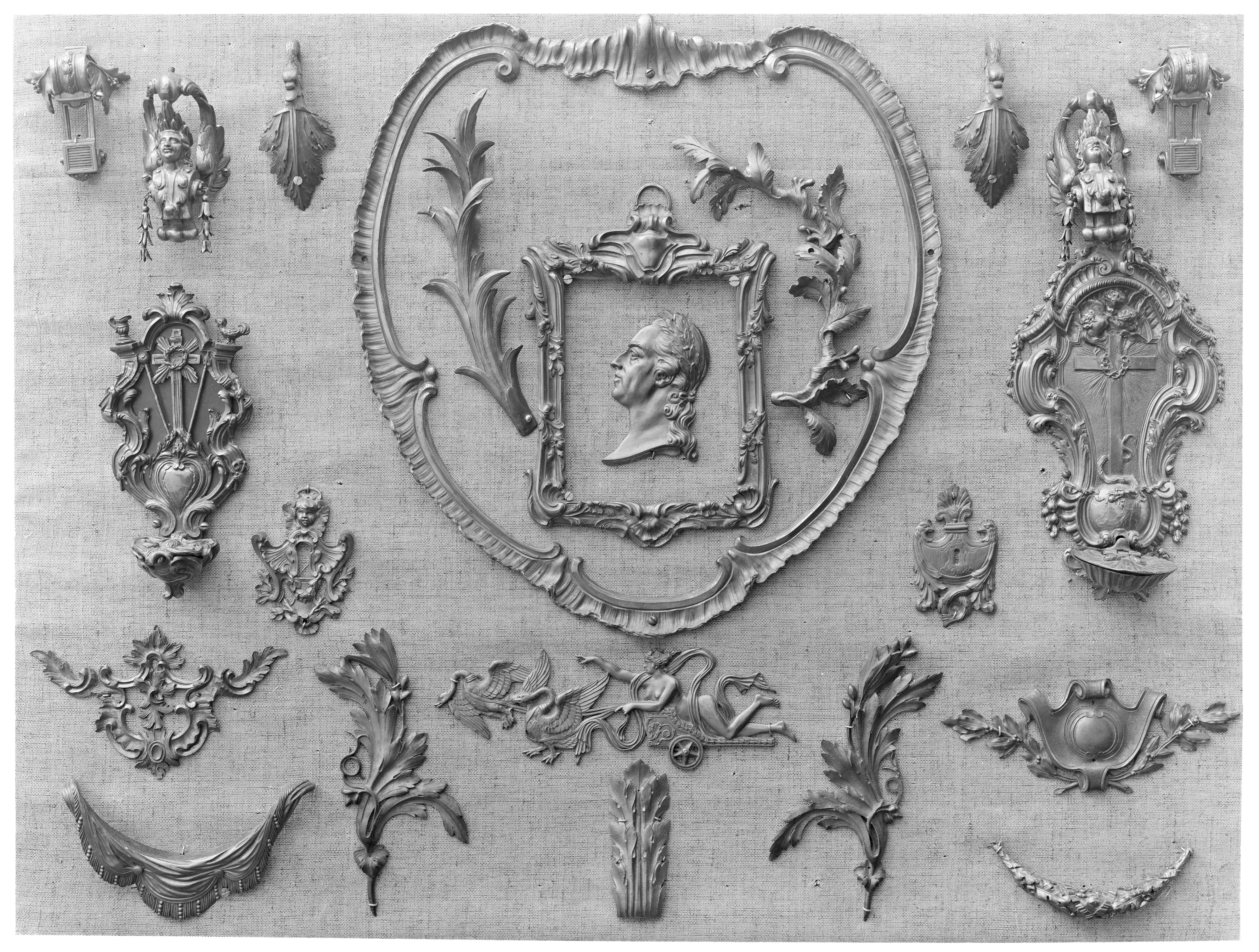
Heritage Analysis: The Gilt Bronze Swag of Ancient Civilization
Introduction: Defining the Subject in Historical Context
The subject under investigation—a "swag" rendered in gilt bronze from an unidentified Ancient Civilization—presents a unique opportunity for Katherine Fashion Lab to explore the intersection of material culture, symbolic power, and high-end luxury strategy. In contemporary parlance, "swag" often denotes informal luxury or ostentatious display. However, within the context of ancient societies, a swag typically refers to a decorative festoon or draped garland, often rendered in precious metals, used to adorn sacred spaces, elite attire, or ceremonial objects. This analysis positions the gilt bronze swag not merely as an ornament but as a deliberate artifact of power, spiritual mediation, and social stratification. The medium—gilt bronze—combines the durability of bronze with the luminous prestige of gold, a pairing that signals both earthly authority and divine favor. For Katherine Fashion Lab’s 2026 high-end luxury strategy, this artifact offers a rich lexicon of symbolic gestures, material hierarchies, and ritualistic adornment that can be translated into contemporary design language.
Symbolic Power: The Swag as a Marker of Authority
In ancient civilizations, the swag was never a casual decorative element. Its placement on temples, thrones, or ceremonial regalia was a calculated assertion of dominion. The gilt bronze swag, in particular, served as a visual shorthand for abundance, victory, and cosmic order. The festoon form—curving, cascading, and symmetrical—mimicked the bounty of nature, such as grapevines or wheat sheaves, thereby associating the wearer or owner with fertility and prosperity. The use of gilt bronze amplified this message: bronze, a metal of war and utility, was sanctified by gold, the metal of the gods. This alchemical union transformed the swag into a talisman of legitimized power. For Katherine Fashion Lab, this suggests that luxury in 2026 must move beyond mere opulence toward narratives of earned authority. A design inspired by this swag could incorporate draped, metallic elements that evoke both the fluidity of nature and the rigidity of power structures, appealing to clients who seek to project not just wealth, but heritage and influence.
Historical Adornment: The Body as a Sacred Canvas
The gilt bronze swag was not confined to architecture; it was also a form of personal adornment. Ancient elites wore swag-like elements as pectorals, belts, or hair ornaments during rituals and state ceremonies. These objects were designed to catch light and draw the eye, creating a kinetic shimmer that signified the wearer’s connection to celestial forces. The swag’s repetitive, undulating pattern also served a mnemonic function, encoding cultural narratives of triumph, lineage, or myth. In this sense, the swag was a wearable archive. For Katherine Fashion Lab’s 2026 luxury strategy, the concept of historical adornment can be revitalized through modular, sculptural accessories that allow the wearer to curate their own narrative. A gilt bronze-inspired collection could feature detachable swag elements—brooches, chains, or appliqués—that transform a garment from daywear to ceremonial attire. This aligns with the growing demand for transformative luxury, where pieces are not static but evolving extensions of the self.
Spiritual Meaning: The Swag as a Conduit for the Divine
Beyond its terrestrial functions, the gilt bronze swag held profound spiritual significance. In many ancient cultures, swags were placed on altars, burial shrouds, or temple doorways as offerings to deities or as protective barriers against malevolent forces. The curvature of the swag was often interpreted as a symbol of the cyclical nature of life, death, and rebirth—a visual prayer for continuity. The gilt bronze medium enhanced this spiritual charge: bronze was believed to resonate with earthly energies, while gold attracted divine light. Together, they created an object that mediated between the mortal and the immortal. For Katherine Fashion Lab, this spiritual dimension offers a compelling framework for 2026 luxury. Modern consumers, particularly in the high-end market, increasingly seek objects that provide meaning beyond aesthetics. A collection inspired by the swag could incorporate symbolic motifs—such as the recurring wave or vine—that invite contemplation and ritual. Packaging, marketing, and even garment construction could emphasize the idea of protection, legacy, and sacred geometry, positioning the brand as a custodian of timeless spiritual values.
2026 High-End Luxury Strategy: Translating Heritage into Market Relevance
Katherine Fashion Lab’s strategic deployment of this heritage analysis must address three core pillars: material integrity, narrative exclusivity, and ritualistic engagement. First, the use of gilt bronze as a primary reference suggests a return to heirloom-quality materials in an era of fast fashion. For 2026, the Lab should consider partnerships with artisanal metalworkers to create limited-edition accessories or garment hardware that mimics the patina and luster of ancient gilt bronze. Second, the narrative of the swag—its role as a symbol of power, adornment, and spirituality—must be embedded in brand storytelling. Each piece could be accompanied by a digital or physical "heritage card" that explains its symbolic lineage, transforming a purchase into an acquisition of cultural capital. Third, the ritualistic aspect of the swag can inform experiential retail. Pop-up installations that recreate ancient temple spaces, complete with draped metallic swags and ambient lighting, would allow clients to engage with the collection as a sensory and spiritual experience. This aligns with the 2026 luxury trend toward "slow luxury," where the act of acquisition is as meaningful as the object itself.
Conclusion: The Swag as a Blueprint for Timeless Luxury
The gilt bronze swag of ancient civilization is far more than a relic; it is a sophisticated design archetype that speaks to enduring human desires for power, beauty, and transcendence. For Katherine Fashion Lab, this analysis provides a robust foundation for a 2026 high-end luxury strategy that is both historically informed and commercially visionary. By embracing the swag’s symbolic power, honoring its role in historical adornment, and channeling its spiritual meaning, the Lab can create a collection that resonates with discerning clients who seek not just clothing, but artifacts of meaning. In an era of digital saturation, the tangible, sacred, and authoritative qualities of the gilt bronze swag offer a path back to authenticity—a path that Katherine Fashion Lab is uniquely positioned to illuminate.