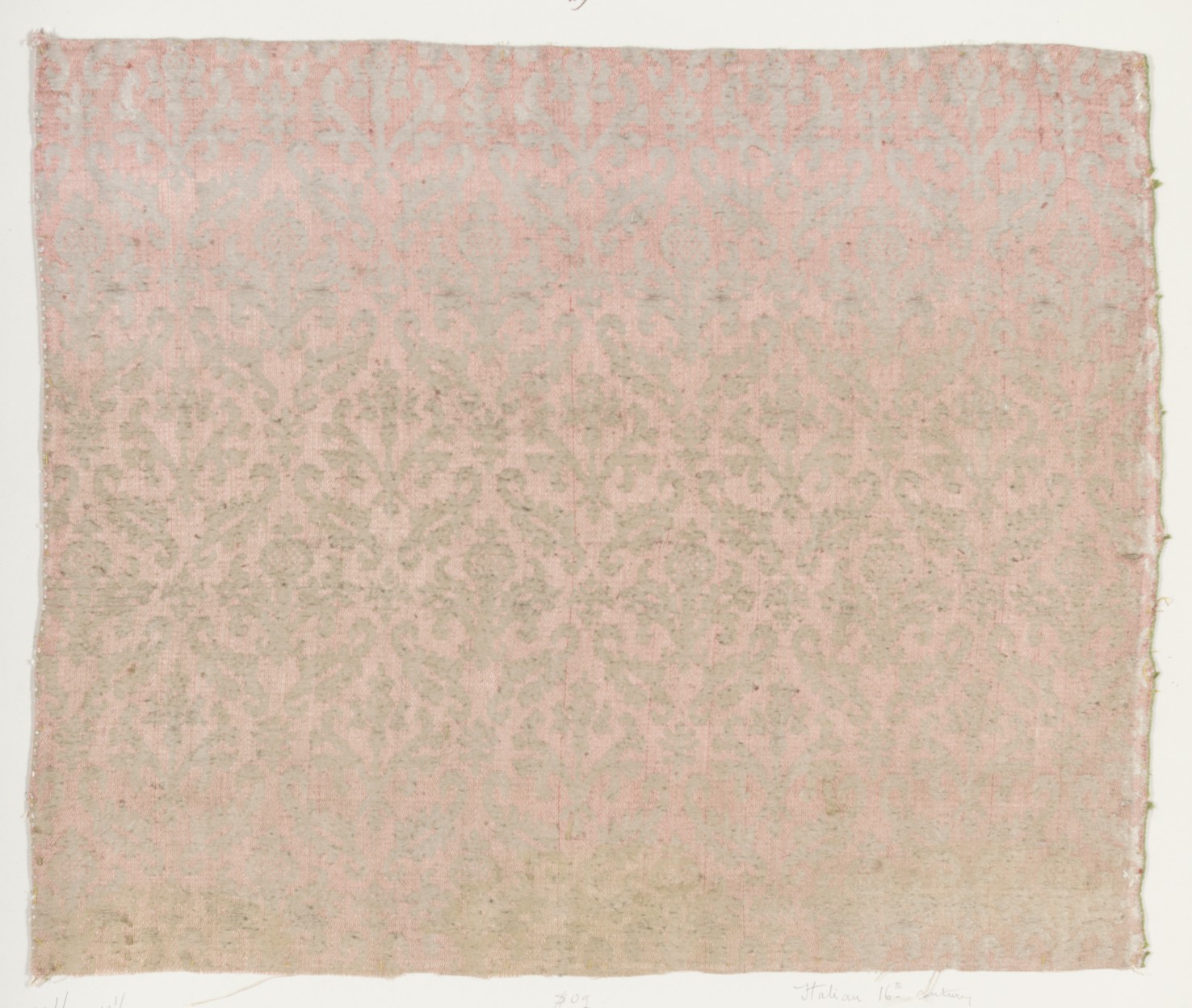
Deconstructing Heritage: A Couture Analysis of Katherine Fashion Lab's "Fragment" in Silk
Conceptual Foundations: The Fragment as a Narrative Device
In the rarefied world of haute couture, where garments are often conceived as complete, monolithic statements, Katherine Fashion Lab’s "Fragment" collection offers a provocative departure. The collection, presented as a standalone study, leverages the concept of the fragment—a broken piece, a remnant, an incomplete whole—as its central philosophical and aesthetic engine. This is not a collection about destruction for its own sake, but rather a sophisticated meditation on how memory, heritage, and identity are themselves composed of fragmented, non-linear experiences. The "Fragment" is not a flaw; it is a portal. It invites the viewer to participate in the act of completion, to imagine the missing pieces, and to appreciate the beauty of what remains. The choice of silk as the exclusive material is therefore not incidental; it is a deliberate counterpoint to the theme of fragmentation. Silk’s fluidity, strength, and historical association with luxury and continuity provide a tension that elevates the collection from mere deconstruction to a profound dialogue between rupture and resilience.
Materiality and Metaphor: Silk as a Conduit for Global Heritage
The "Fragment" study draws from a global heritage that is not geographically specific but conceptually expansive. Katherine Fashion Lab’s design team has sourced and treated silk in ways that echo diverse cultural traditions—from the raw, slubby texture of Thai wild silk to the precision of Japanese habotai and the weight of Italian crepe de chine. This plurality of silk types within a single collection mirrors the fragmented nature of global heritage itself: a patchwork of influences, techniques, and histories that cannot be reduced to a single narrative. Each silk variant is treated as a distinct "fragment" of a larger textile lexicon. The structural integrity of silk, its ability to be pleated, draped, and cut with surgical precision, allows the designers to manipulate these fragments into forms that are both architectural and ethereal. A sleeve might be constructed from a single, uncut panel of silk, its raw edge left unfinished to emphasize its status as a fragment, while the body of the garment is composed of layered, asymmetrical panels that appear to float. This is not a haphazard approach; every seam, every drape, every exposed edge is a calculated decision that reinforces the collection’s central thesis.
Construction and Technique: The Art of Controlled Imperfection
The technical execution of the "Fragment" collection demands close scrutiny. Katherine Fashion Lab employs a range of advanced couture techniques that subvert traditional expectations of silk construction. Key among these is the use of negative space and strategic cutouts, which transform the garment into a series of interconnected fragments. A gown may feature a bodice that is essentially a network of silk ribbons, each cut from a different silk type and joined at precarious angles, creating a lattice that reveals the skin beneath. This technique, known as "silk filigree," requires immense skill to prevent the delicate material from fraying or losing its shape. The designers have also experimented with laser-cut silk appliqués, where floral or abstract motifs are cut from one silk and layered onto another, creating a visual and tactile fragmentation. The stitching itself is often exposed, using contrasting silk threads to emphasize the joins, turning the construction process into a visible narrative. In one notable piece, a silk organza skirt is composed of dozens of trapezoidal fragments, each hemmed individually and then reassembled in a pattern that evokes a shattered mosaic. The effect is both fragile and powerful, a testament to the labor-intensive process that transforms fragments into a cohesive, albeit fractured, whole.
Silhouette and Movement: The Poetry of the Unfinished
The silhouettes in the "Fragment" study are deliberately asymmetrical and non-linear. They resist the classical, balanced forms of traditional couture in favor of shapes that appear to be in a state of becoming or un-becoming. A jacket might have one full sleeve and one that is reduced to a single, trailing panel of silk charmeuse. A dress might be longer on one side, with a hem that drops in jagged steps, as if torn by time. This asymmetry is not merely aesthetic; it is a reflection of the fragmented nature of heritage, which is never a perfect, symmetrical whole. The movement of the garments is equally integral. Silk, with its natural fluidity, allows these fragmented forms to shift and change with the wearer’s motion. A train of silk crepe may appear as a solid mass when still, but as the model walks, it separates into multiple, independent panels that flutter and twist, each a fragment of the larger form. This kinetic quality imbues the collection with a sense of transience, as if the garments are caught between stability and dissolution. The use of silk’s inherent luster also plays a role; light catches the different fragments at varying angles, creating a dynamic interplay of highlights and shadows that further emphasizes the discontinuity of the forms.
Cultural and Theoretical Implications: A New Lexicon for Couture
The "Fragment" study by Katherine Fashion Lab is more than a technical exercise; it is a theoretical statement on the nature of luxury and heritage in the 21st century. In an era of fast fashion and digital saturation, where heritage is often commodified into easily digestible symbols, this collection insists on the value of incompleteness. It challenges the notion that couture must be pristine, finished, and totalizing. Instead, it proposes that the fragment—the broken, the partial, the unfinished—carries its own profound beauty and intellectual weight. The global heritage referenced here is not a static museum piece but a living, evolving entity that is always in fragments, always being reinterpreted. By using silk, a material with a rich and contested history spanning continents, Katherine Fashion Lab anchors this abstract concept in a tangible, sensual reality. The collection invites a new kind of engagement from its audience: one that requires active interpretation, a willingness to see the whole in the parts, and an appreciation for the beauty of what is left unsaid. In this sense, "Fragment" is not a study of loss, but a celebration of the enduring power of remnants to tell stories that are more complex and honest than any perfect, seamless narrative could ever convey.
Conclusion: The Enduring Value of the Incomplete
Katherine Fashion Lab’s "Fragment" study, executed exclusively in silk and grounded in a global heritage ethos, stands as a significant contribution to contemporary couture. It demonstrates that the most compelling luxury is not found in flawless perfection, but in the thoughtful, deliberate embrace of imperfection and incompleteness. By treating the fragment as a primary design element, the collection redefines what it means to create, wear, and value a garment. It asks us to see the beauty in the broken edge, the narrative in the missing piece, and the profound heritage embedded in every remnant. For the discerning client, "Fragment" offers not just a garment, but a philosophy—a wearable meditation on the fragments that compose our own lives and histories. In a world that often demands seamless coherence, Katherine Fashion Lab has chosen to celebrate the profound eloquence of the fragment, and in doing so, has created a collection that is as intellectually resonant as it is visually stunning.