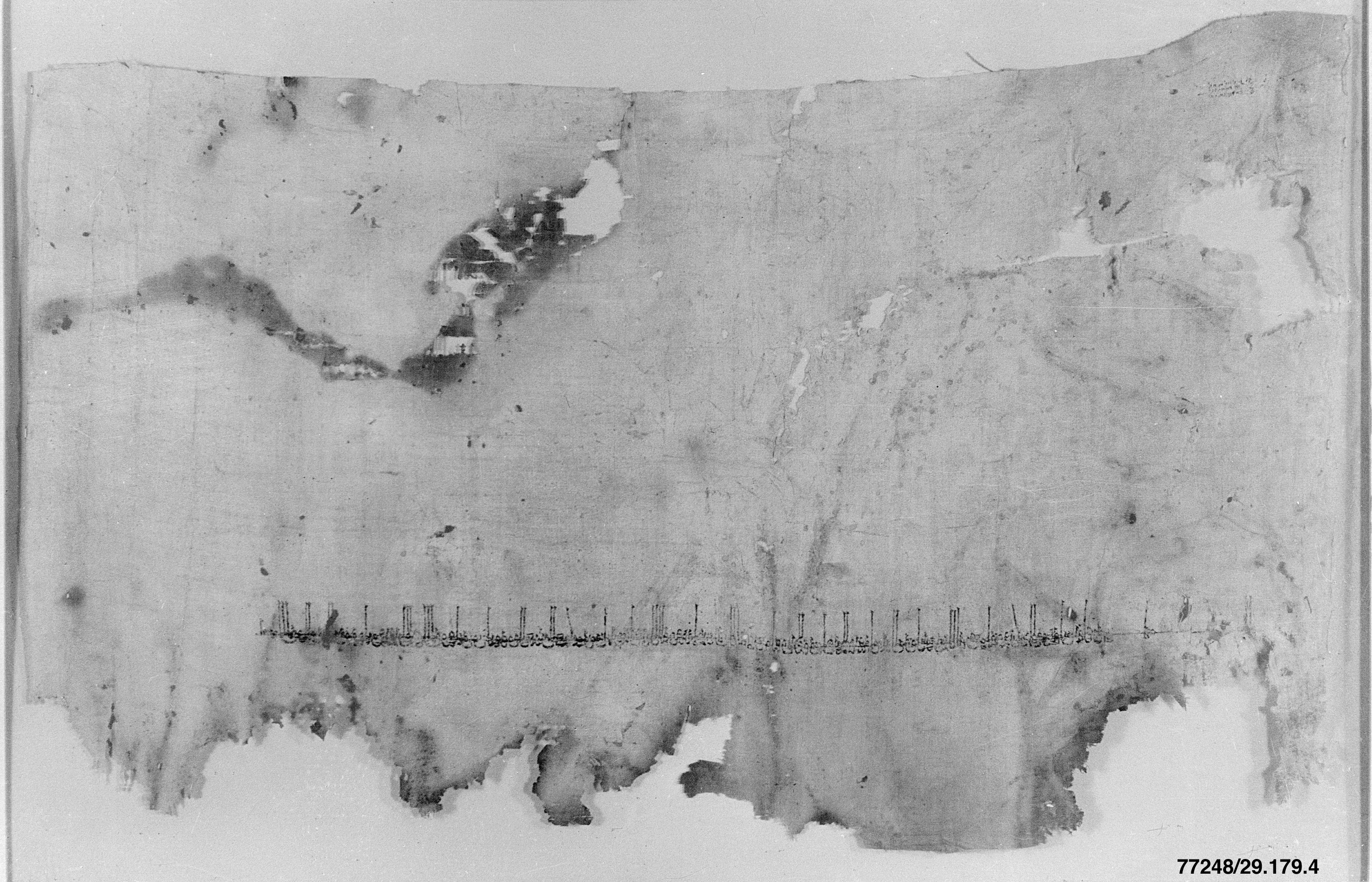
Textile Fragment: A Microcosm of Global Heritage and Technical Mastery
Within the curated silence of the Katherine Fashion Lab, a single textile fragment transcends its modest dimensions to become a profound object of study. This standalone artifact, a confluence of linen and silk in a plain weave foundation adorned with embroidery, is not merely a remnant but a dense nexus of cultural exchange, technical innovation, and aesthetic philosophy. Its declared "Global Heritage" origin is not a vagary but a critical framework, inviting us to deconstruct the very notion of provenance. This analysis posits the fragment as a testament to the pre-industrial global network, where materials, techniques, and motifs traveled along trade routes, being adopted, adapted, and imbued with localized meaning. The fragment’s value lies in its hybridity, its silent narrative of connection woven into every thread.
Material Semiotics: Linen, Silk, and the Hierarchy of Fibers
The material composition—a linen ground with silk embroidery—is our first cipher. This combination is a deliberate statement of contrast and complement, rooted in deep historical and economic contexts. Linen, derived from the flax plant, represents one of humanity's oldest textile technologies. Its production is labor-intensive, requiring extensive cultivation, retting, spinning, and weaving. As a substrate, a plain weave linen offers a robust, stable, and relatively matte foundation. Its presence speaks of practicality, durability, and a certain terrestrial humility. In many European and West Asian contexts, fine linen was associated with purity and luxury in its own right, a canvas awaiting adornment.
The silk, however, introduces a transformative dimension. As a protein filament, silk possesses a innate luster, strength, and dye affinity that plant fibers could not match. Its history is steeped in legend, monopoly, and immense cultural capital, particularly along the Silk Roads that linked East Asia to the Mediterranean. The use of silk thread for embroidery on a linen ground creates a dynamic interplay of textures and light: the subdued, tactile quality of linen against the reflective, sinuous lines of silk. This was not merely decorative; it was a display of access. The fragment likely signifies a context where silk thread was a precious commodity, used strategically to maximize visual impact. The choice to embroider rather than weave an all-silk textile suggests a valuation of artisanal labor—the hours of skilled handwork—as being equally or more prestigious than the material alone.
Structural Integrity: The Plain Weave as Strategic Canvas
The specification of a plain weave (tabby) structure is a critical, often overlooked, technical determinant. This simplest of interlacements, where the weft passes over and under each warp thread in a consistent 1:1 ratio, is the bedrock of textile history. Its strategic importance here is multifold. First, it provides a uniform, grid-like surface that is ideal for counted-thread embroidery techniques. Whether the embroidery is a free-form surface embellishment or a precise pattern reliant on the weave's geometry, the plain weave offers predictable tension and alignment.
Second, the plain weave speaks to a specific quality of the linen itself. To achieve a fabric fine and even enough to serve as a ground for detailed embroidery, the flax would have been meticulously processed and spun to a high count. The weaver’s skill is evident in the consistency of the sett (ends per inch), which would allow for both durability and a suitably refined surface. This foundational excellence underscores a fundamental principle of haute couture and historical luxury: true sophistication begins with the integrity of the base material and construction. The fragment rejects the notion that complexity of structure is paramount; instead, it demonstrates how a masterful execution of the simplest form creates the perfect stage for further artistry.
Embroidery: The Narrative of the Hand
The embroidery is where the fragment’s "Global Heritage" narrative becomes most vividly legible. Embroidery is a migratory art par excellence. Stitch techniques—chain stitch, satin stitch, couching, knotting—traveled with people, pattern books, and traded goods. A single motif could fuse botanical accuracy from one region with symbolic interpretation from another.
A close analytical study would seek to identify: Is the embroidery thread silk floss or filament? Are the stitches creating linear patterns (suggesting possible influence from Near Eastern or Central Asian traditions) or filling shapes with satin stitches (common in European and Chinese contexts)? Do the motifs depict stylized florals, geometric patterns, or possibly heraldic elements? Each possibility opens a diagnostic pathway. For instance, a coiling vine with delicate blossoms executed in silk thread could reflect a synthesis of Ottoman Turkish *saz* style with European naturalism, mediated through Armenian or Greek artisan networks. The color palette, now possibly faded, holds further clues: the use of specific reds (cochineal, madder, kermes) or blues (indigo, woad) can point to vast trade networks in dyestuffs.
This embellishment transforms the textile from a utilitarian object to a carrier of identity, belief, or status. The labor time encapsulated in the embroidery is a direct measure of value and devotion, whether the piece was intended for secular elite adornment, ecclesiastical vestment, or a domestic display of wealth and skill.
Conclusion: The Fragment as a Framework for Contemporary Practice
For Katherine Fashion Lab, this fragment is far more than an archival relic. It is a operational manifesto. It champions material intelligence—the strategic selection and juxtaposition of fibers for maximum expressive effect. It exalts technical purity—the mastery of foundational weaves as a prerequisite for embellishment. Most powerfully, it embodies cultural synthesis—the creative genius that emerges at the crossroads of traditions.
In a contemporary industry often segmented into silos of "craft," "luxury," and "innovation," this fragment argues for a holistic view. It reminds the modern couturier that innovation is often a process of sophisticated recombination, that sustainability is inherent in durable materials and meticulous craftsmanship, and that true luxury is the depth of story woven into every element. The global heritage encoded in this linen and silk fragment is not a static past; it is a dynamic, living library of techniques and aesthetics, urging a design philosophy where every thread is conscious of its lineage and every creation is a node in an ongoing, global conversation.