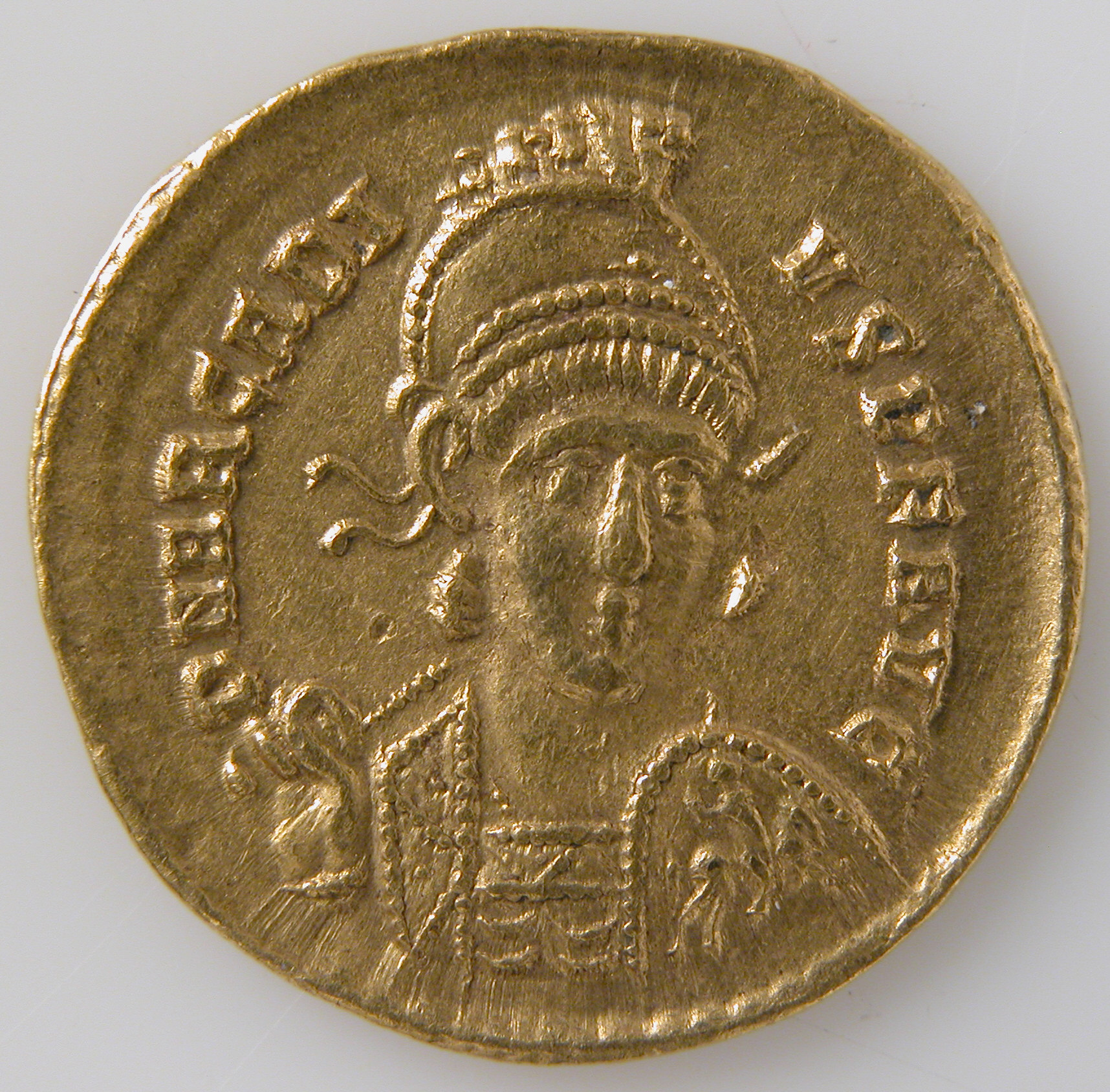
The Solidus: A Heritage Analysis of Byzantine Gold and Its Resonance for Katherine Fashion Lab
The solidus, a gold coin introduced by Emperor Constantine I in 312 CE, stands as one of the most enduring symbols of economic stability, imperial authority, and spiritual transcendence in Western history. For Katherine Fashion Lab, this artifact offers a profound heritage lens through which to examine the intersection of symbolic power, historical adornment, and spiritual meaning. As we develop our 2026 high-end luxury strategy, the solidus provides a DNA-level correlation with our ongoing research into the Mirror with Split-Lea—a piece that juxtaposes the luminous geometry of gold-inlaid palmettes on a silver mirror against the narrative weight of a sarcophagus relief. This analysis explores how the solidus informs our understanding of luxury as both a material and metaphysical statement.
Symbolic Power: The Coin as Imperial and Divine Authority
The solidus was not merely a medium of exchange; it was a meticulously crafted instrument of propaganda. Struck with the emperor’s portrait on one side and Christian or Roman iconography on the other, it declared the ruler’s divine right to govern. The gold content—approximately 4.5 grams of nearly pure gold—ensured its value was intrinsic, not nominal. This dual symbolism of material worth and ideological weight parallels the Mirror with Split-Lea, where the silver mirror’s reflective surface is interrupted by gold palmettes, suggesting that true power lies not in mere reflection but in the interplay between light and substance.
For Katherine Fashion Lab, the solidus teaches us that symbolic power in luxury must be both visible and invisible. The coin’s weight in the hand communicated stability; its image communicated authority. In our 2026 strategy, we will apply this principle by embedding hidden narratives within our designs—subtle motifs, micro-engravings, or material contrasts that only the discerning eye can decode. This creates a hierarchy of knowledge among our clientele, reinforcing exclusivity while honoring the heritage of symbolic communication.
Historical Adornment: The Solidus as Wearable Wealth
Byzantine society transformed the solidus into a form of personal adornment. Citizens and elites alike pierced coins to wear as necklaces, bracelets, or earrings, often mounting them in elaborate gold settings. This practice served multiple purposes: it displayed wealth, ensured liquidity in times of crisis, and aligned the wearer with the emperor’s protection. The solidus became a portable talisman of status and security, merging the economic with the aesthetic.
This historical use of currency as adornment resonates deeply with our Mirror with Split-Lea study, where the gold palmettes on the silver mirror function as both decoration and symbolic anchor. The mirror itself is an object of reflection and vanity, but the gold inlays transform it into a statement of permanence and value. Similarly, the solidus worn as jewelry was not merely decorative—it was a declaration of one’s place within the Byzantine cosmos.
For our 2026 high-end luxury strategy, we will explore the concept of “wearable heritage” by incorporating gold elements that reference historical coinage, but with a contemporary twist. Imagine a collection of pendants or cufflinks that echo the solidus’s weight and purity, but whose designs are abstracted to convey spiritual or personal narratives rather than imperial portraits. This approach honors the historical practice while aligning with modern desires for meaningful, customizable luxury.
Spiritual Meaning: The Coin as a Bridge Between Worlds
Beyond its economic and political functions, the solidus carried profound spiritual significance. In Byzantine Christianity, gold was associated with divine light, incorruptibility, and the heavenly Jerusalem. The solidus, often bearing the Chi-Rho symbol or an image of Christ, was believed to offer protection against evil. It was placed in tombs as a “Charon’s obol” to pay the ferryman of the dead, ensuring safe passage to the afterlife. This funerary use directly parallels the Mirror with Split-Lea’s juxtaposition of the silver mirror (life, reflection, vanity) with the gold palmettes (eternity, resurrection, narrative) and the sarcophagus relief (death, memory, story).
The spiritual meaning of the solidus lies in its ability to bridge the material and the metaphysical. It was an object of this world that facilitated transition to the next. For Katherine Fashion Lab, this suggests that luxury objects can serve as conduits for personal transformation. Our 2026 strategy will emphasize the “ritualistic” nature of acquiring and wearing our pieces. Each item should be presented as part of a narrative journey—perhaps through limited-edition releases tied to celestial events, or through packaging that evokes a sense of sacred ceremony. The solidus reminds us that true luxury is not just about possession, but about participation in a larger story.
2026 High-End Luxury Strategy: The Solidus as a Blueprint
Integrating the solidus’s heritage into Katherine Fashion Lab’s 2026 strategy requires a multi-faceted approach that respects historical resonance while innovating for a contemporary audience.
Material Integrity and Provenance
Just as the solidus’s value derived from its gold purity, our 2026 collections will prioritize material integrity. We will source gold from certified ethical mines and emphasize traceability, publishing provenance reports that mirror the solidus’s historical guarantee of weight and fineness. This builds trust and aligns with growing consumer demand for transparency.
Narrative Layering
The solidus’s dual imagery—emperor and deity—teaches us that luxury objects can carry multiple layers of meaning. Our designs will incorporate hidden motifs or reversible elements that reveal different stories when viewed from different angles. This could include gold inlays that change appearance under specific lighting, or pieces that can be worn in two configurations, each representing a different aspect of the wearer’s identity.
Ritual and Experience
Byzantine practice of using the solidus in funerary rites underscores the importance of ritual in luxury. We will develop a “Legacy Collection” that includes a ceremonial presentation box, a digital certificate of authenticity with a historical essay, and an invitation to a private event where the piece’s narrative is unveiled. This transforms the purchase into a lasting memory.
Exclusivity Through Scarcity
The solidus was minted in limited quantities relative to the population, ensuring its rarity. Our 2026 strategy will limit production runs to 1,000 pieces per design, each numbered and registered. This scarcity, combined with the historical resonance, will position Katherine Fashion Lab as a curator of heritage rather than a mere manufacturer of goods.
Conclusion: The Solidus and the Mirror
The solidus and the Mirror with Split-Lea share a DNA of duality: the coin’s imperial face versus its divine icon, the mirror’s reflective surface versus its gold palmettes, the sarcophagus’s life narrative versus its deathly function. For Katherine Fashion Lab, this heritage analysis confirms that luxury must always balance the material with the metaphysical. Our 2026 strategy will not merely sell objects; it will offer talismans of identity, history, and spiritual continuity. The solidus endures as a testament to the power of gold to carry meaning across centuries—a lesson we will carry into every design, every material choice, and every client interaction.