The Alchemy of Heritage: Deconstructing the Gian Galeazzo Manzi Study
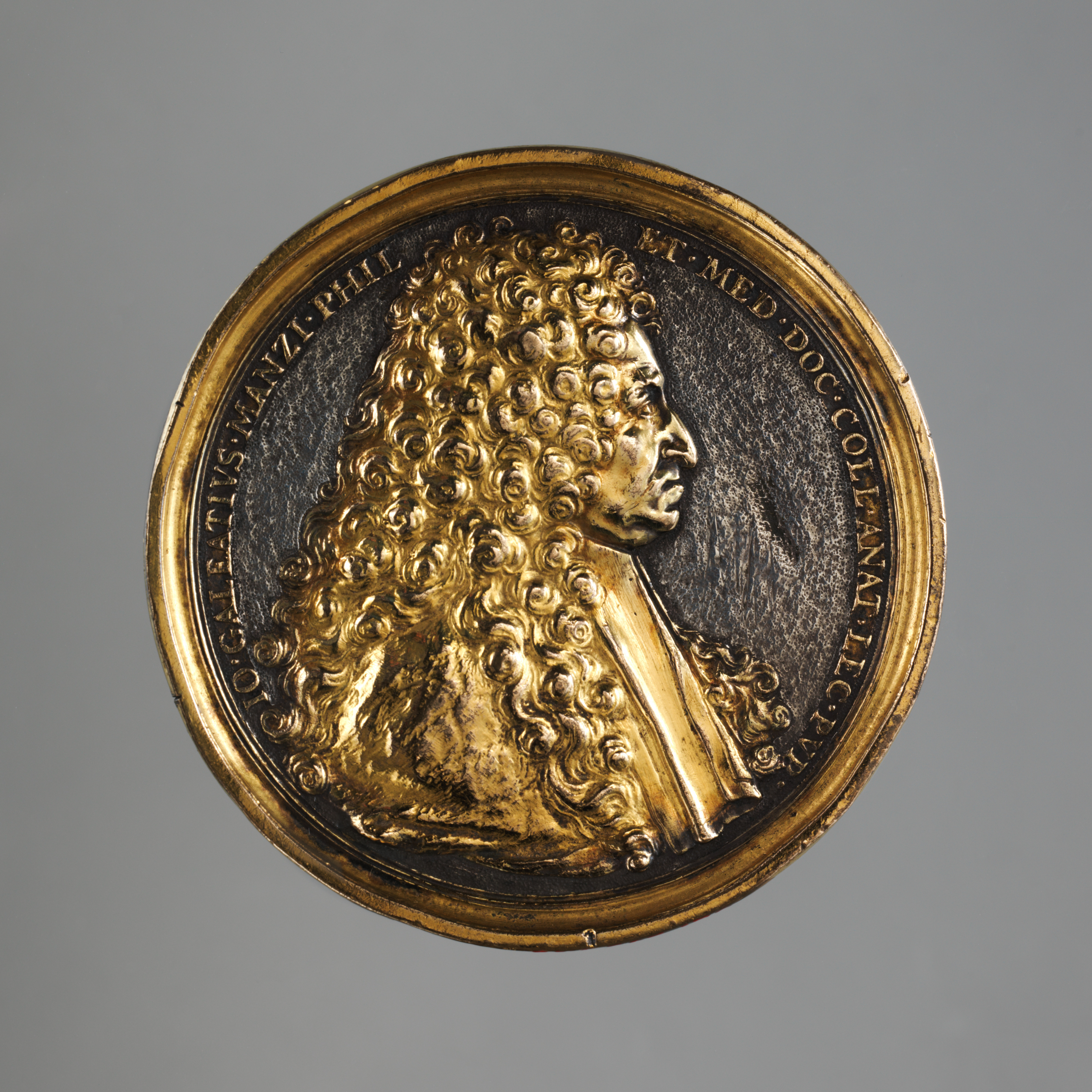
In the rarefied echelons of haute couture, where fabric meets philosophy, the Katherine Fashion Lab presents a singular artifact that transcends mere adornment. The Gian Galeazzo Manzi study, a standalone piece born from a global heritage narrative, commands attention not through volume or ostentation, but through the profound dialogue it establishes between materiality and memory. This is not a garment in the traditional sense; it is a sculptural meditation, a wearable reliquary that interrogates the very essence of legacy. As Lead Curator, I invite you to explore the layered synthesis of gilt bronze and dark patinated ground, a combination that redefines the boundaries of couture as a vessel for historical consciousness.
Material as Metaphor: The Gilt Bronze Paradox
At first glance, the gilt bronze element of the Manzi study announces itself with an audacious luminosity. The gilding, achieved through a meticulous process of fire-gilding or mercury amalgamation, is not merely a surface treatment but a deliberate act of defiance against the ephemeral nature of fashion. In the canonical history of couture, gold has symbolized divine right, opulence, and eternal value—from the Byzantine imperial vestments to the regal brocades of the French court. Yet here, the Katherine Fashion Lab subverts this tradition. The gilt bronze is not applied as a uniform sheen; instead, it is fragmented, layered in asymmetrical panels that mimic the irregular accumulation of time. This is a deliberate strategy to evoke the palimpsest of heritage—the idea that history is not a clean narrative but a series of overwritten texts, each layer revealing traces of the past.
The choice of bronze as the base metal is equally significant. Bronze, an alloy of copper and tin, has been the medium of monumental sculpture since antiquity, from the Charioteer of Delphi to the doors of the Baptistery in Florence. By employing it in a couture context, the Lab aligns the Manzi study with the permanence of statuary, challenging the transient lifecycle of fashion. The gilt surface, with its warm, reflective quality, contrasts sharply with the dark patinated ground, creating a visual tension that is both arresting and contemplative. This is not a piece designed for passive consumption; it demands a viewer who understands that luxury is not about excess but about the weight of meaning.
The Dark Patinated Ground: A Canvas of Memory
Conversely, the dark patinated ground serves as the study’s philosophical anchor. Patination, in metallurgy, is the result of controlled oxidation—a chemical process that mimics natural aging. In the hands of the Katherine Fashion Lab’s artisans, this technique becomes a metaphor for the passage of time and the accumulation of cultural memory. The deep, almost black hue of the patina suggests a void, a primordial darkness from which the gilt elements emerge. This interplay of light and shadow is reminiscent of the chiaroscuro technique in Baroque painting, where dramatic contrasts heighten emotional intensity. Here, the dark ground is not a negative space but a repository of unspoken histories—the forgotten lineages, the silenced voices, the intangible heritage that shapes identity.
From a global heritage perspective, the patinated ground evokes the patina of ancient artifacts, from the bronze mirrors of the Han Dynasty to the ceremonial masks of West Africa. It is a material that speaks to the universality of decay and renewal, reminding us that all heritage is a negotiation between preservation and transformation. In the context of the Manzi study, this dark ground becomes a stage for the gilt bronze to perform its narrative of power and vulnerability. The result is a piece that is at once ancient and avant-garde, a testament to the Lab’s ability to bridge temporal and geographical divides through material alchemy.
Global Heritage and the Architecture of Identity
The Gian Galeazzo Manzi study is not anchored to a single cultural tradition; rather, it embodies a global heritage that is fluid and syncretic. The name “Manzi” itself suggests a lineage that traverses Italian noble houses, yet the piece’s materiality draws from a broader lexicon of craftsmanship. The gilt bronze technique, for instance, has parallels in the gilded bronzes of the Thai Kingdom of Sukhothai, the repoussé work of the Mughal Empire, and the ormolu mounts of French Rococo furniture. By synthesizing these influences, the Katherine Fashion Lab positions the study as a cosmopolitan artifact, one that transcends nationalistic boundaries to speak to a shared human desire for transcendence.
The standalone nature of the study further amplifies this global narrative. Unlike a garment that is part of a collection, this piece exists in isolation, demanding to be interpreted on its own terms. It is a study in the truest sense—a preliminary exploration of a concept that might later inform a larger body of work. This autonomy allows the viewer to engage with the piece as a microcosm of heritage itself: fragmented, incomplete, yet profoundly resonant. The study’s form, which evokes the silhouette of a cuirass or a ceremonial gorget, references both military regalia and ecclesiastical vestments, blurring the line between protection and ornamentation. In doing so, it questions the role of couture as armor—not against physical harm, but against the erosion of cultural memory.
Contextualizing the Standalone Study in Contemporary Couture
In an era where fast fashion and digital saturation threaten to homogenize aesthetic expression, the Gian Galeazzo Manzi study stands as a defiant counterpoint. It is a piece that requires patience to decode, a luxury that the modern consumer rarely affords. The Katherine Fashion Lab’s decision to present this as a standalone study, rather than within a larger collection, underscores a commitment to intellectual craftsmanship. This is couture that does not seek to please immediately; it seeks to provoke, to unsettle, to invite a deeper contemplation of what it means to inherit a global past.
The choice of materials—gilt bronze and dark patinated ground—also speaks to a sustainability ethos that is often overlooked in high fashion. By using metals that can be recast and repatinated, the Lab challenges the notion of disposability. The study is designed to age gracefully, its patina deepening over time, much like a fine wine or a well-worn leather journal. This is a radical proposition in an industry obsessed with novelty, suggesting that true luxury is temporal rather than seasonal. The Manzi study is not a product; it is a process, an ongoing dialogue between the artisan, the material, and the wearer.
Conclusion: The Enduring Resonance of Gian Galeazzo Manzi
As Lead Curator, I conclude that the Gian Galeazzo Manzi study is a masterclass in the poetics of materiality. It is a piece that demands to be read, not merely seen—a text of bronze and shadow that narrates the complexities of global heritage. The gilt bronze, with its luminous fragments, speaks to the aspirations of civilizations past; the dark patinated ground, with its depth and mystery, whispers of the silences that history leaves behind. Together, they form a synthesis that is both ancient and urgently contemporary, a reminder that couture, at its highest form, is a vessel for collective memory. In the hands of the Katherine Fashion Lab, the Gian Galeazzo Manzi study becomes not just an object of beauty, but a testament to the enduring power of heritage to shape our present and future.