Heritage Analysis: The Mounted Chinese Vase as a Symbol of Cross-Cultural Power and Luxury
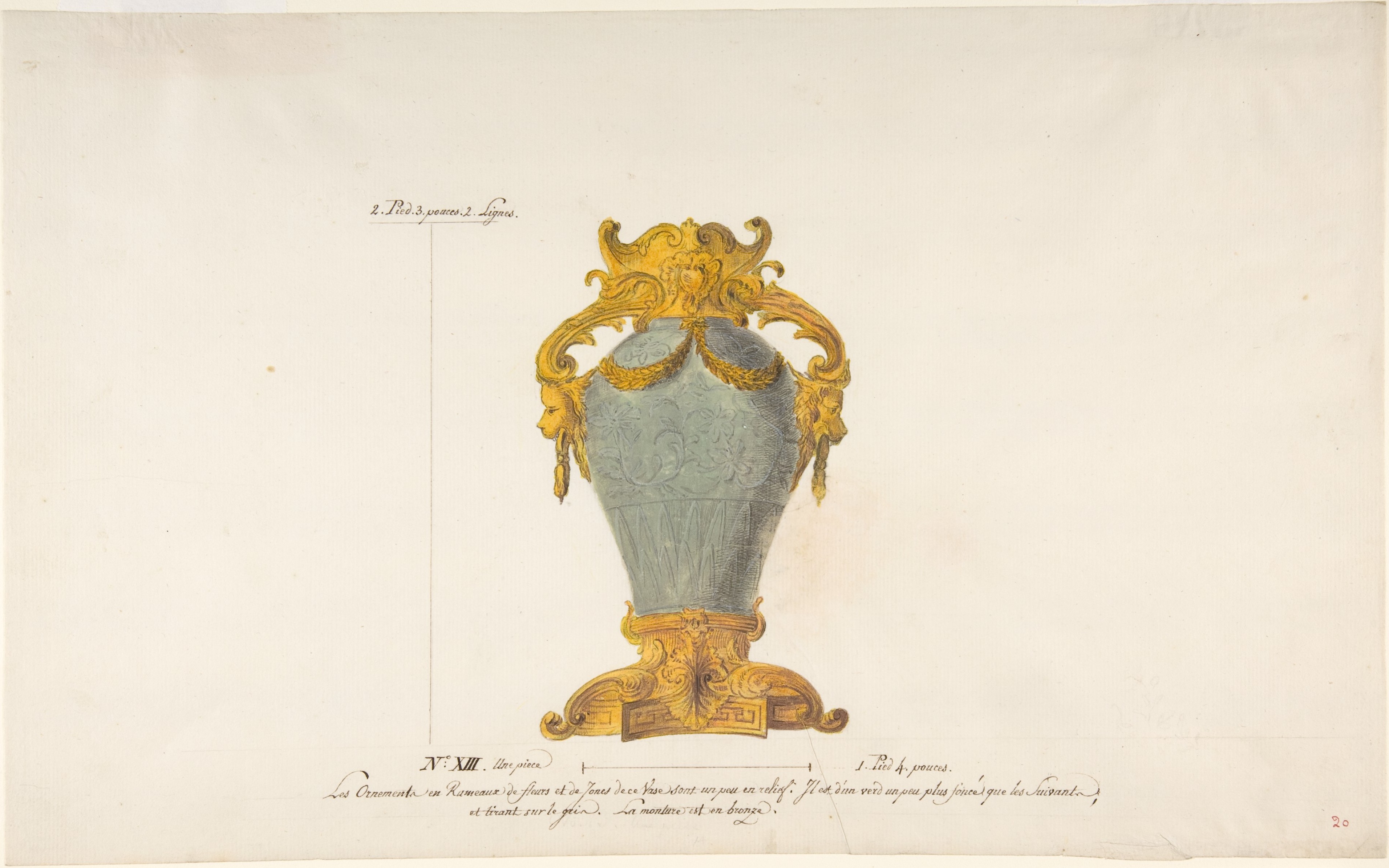
This strategic heritage analysis examines a design for a mounted Chinese vase, rendered in gouache with pen and brown and gray ink, as a singular artifact of profound symbolic and historical significance. Originating from an ancient civilization, this object transcends its functional purpose to embody a nexus of spiritual meaning, historical adornment, and symbolic power. For Katherine Fashion Lab, this analysis serves as a foundation for a 2026 high-end luxury strategy, leveraging the vase’s narrative to inform a collection that marries heritage with contemporary exclusivity.
Symbolic Power: The Vase as a Vessel of Authority and Transformation
In ancient Chinese culture, the vase was not merely a container but a potent symbol of cosmic order, prosperity, and dynastic authority. The mounted vase, often elevated on a pedestal or encased in precious metal mounts, amplifies this symbolism by signifying the object’s transition from utilitarian craft to ceremonial artifact. The act of mounting—historically performed by European artisans in the 17th and 18th centuries—imbued the vase with a dual narrative: the original Chinese spiritual essence and the Western desire to possess and reinterpret that power. For Katherine Fashion Lab, this duality is a strategic asset. The vase’s symbolic power lies in its ability to represent convergence—a meeting of East and West, of the spiritual and the material. In a 2026 luxury context, this translates into a design language that celebrates hybridity. Collections can draw on motifs of containment and elevation, such as structured silhouettes that “mount” the wearer, or accessories that serve as talismans of personal authority. The vase’s symbolic power becomes a tool for brand storytelling, positioning Katherine Fashion Lab as a curator of transformative luxury that honors heritage while asserting modernity.
Historical Adornment: The Craft of Mounting as a Luxury Signature
The Art of the Mount
The historical practice of mounting Chinese porcelain in Europe—often using gilded bronze or silver—was a declaration of taste and wealth. These mounts were not merely functional; they were ornate, intricate, and designed to elevate the vase’s status from imported curiosity to a centerpiece of aristocratic collections. The gouache and ink medium of this design captures this meticulous attention to detail, with the brown and gray inks suggesting the patina of aged metal and the gouache providing vibrant highlights that mimic the luster of gold or jade. For Katherine Fashion Lab, this historical adornment offers a blueprint for high-end craftsmanship. The 2026 strategy should emphasize bespoke embellishment—appliqués, metalwork, and embroidery that “mount” the garment or accessory, creating a sense of curated rarity. The use of mixed media in the original design (gouache, pen, ink) mirrors the layering of materials in luxury fashion: silk, leather, metal. By adopting this approach, the brand can produce limited-edition pieces that echo the exclusivity of mounted vases, each piece a collectible artifact in its own right.
Adornment as a Status Marker
Historically, the mounted vase adorned the interiors of palaces and merchant mansions, signifying the owner’s global reach and cultural sophistication. In a modern luxury context, adornment moves from the home to the body. Katherine Fashion Lab can translate this by designing garments that function as “wearable mounts”—structured collars, cuffs, or belts that frame the wearer as a living work of art. The 2026 strategy should target ultra-high-net-worth clients who seek cultural capital through their wardrobe. By referencing the mounted vase, the brand offers not just clothing but a narrative of historical acquisition and taste, appealing to a global elite that values heritage as a marker of identity.
Spiritual Meaning: The Vase as a Conduit for Harmony and Immortality
Cosmic and Daoist Symbolism
In ancient Chinese spirituality, the vase was often associated with the Daoist concept of wu wei (effortless action) and the Buddhist principle of emptiness, where the vessel’s interior space represented potential and the void from which all creation emerges. The mounted vase, with its external adornment, creates a tension between the sacred interior and the profane exterior. This duality is spiritually significant: the vase holds not just physical contents but spiritual essence. For Katherine Fashion Lab, this offers a profound design philosophy. The 2026 collection can explore interiority versus exteriority—garments that are plain on the outside but richly detailed within, or accessories that hide precious materials until revealed. This aligns with the growing luxury trend of “quiet luxury,” where value is not ostentatious but embedded in craftsmanship and meaning. The spiritual dimension of the vase also invites the brand to consider ritualistic dressing. Just as the vase was used in ceremonies to honor ancestors or deities, the fashion piece can become part of a personal ritual of empowerment or reflection. This strategy targets the mindful luxury consumer, who seeks products that connect them to deeper cultural and spiritual narratives.
The Vase in Funerary and Ancestral Contexts
Historically, vases were also placed in tombs to accompany the deceased into the afterlife, symbolizing eternal nourishment and protection. The mounting of such vases—especially when done by later cultures—adds a layer of transcultural reverence. For Katherine Fashion Lab, this suggests a strategy around legacy and permanence. The 2026 collection could include pieces designed as heirlooms, with materials and construction that ensure longevity. The brand can market these as “eternal” items—investments that transcend seasonal trends. By invoking the vase’s spiritual role as a bridge between worlds, the brand positions itself as a purveyor of timeless luxury, appealing to clients who view fashion as a form of personal and familial heritage.
2026 High-End Luxury Strategy: The Mounted Vase as a Blueprint
Strategic Positioning: Heritage as Exclusivity
In an era of mass-market saturation, high-end luxury brands must differentiate through authentic storytelling. The mounted Chinese vase offers a ready-made narrative of rarity, cross-cultural exchange, and artistic mastery. Katherine Fashion Lab’s 2026 strategy should launch a limited “Mounted Vase” capsule collection, with each piece referencing a specific historical mount style—rococo, neoclassical, or Qing dynasty. The use of gouache and ink in the original design can inspire a print and textile series, where the brushstrokes and ink washes are translated into jacquard weaves or hand-painted silk. This strategy targets the collector-consumer, who values provenance and narrative over trend. The brand can partner with museums or private collectors to authenticate the historical references, further cementing its authority in heritage luxury.
Materiality and Craftsmanship
The medium of the design—gouache, pen, and ink—suggests a layering of textures and techniques. For 2026, Katherine Fashion Lab should emphasize artisanal collaboration, working with metalworkers, embroiderers, and painters to create pieces that mimic the vase’s material complexity. For example, a gown could feature a bodice “mounted” in gilded leather, with a skirt that flows like the vase’s painted surface. The brown and gray inks of the original can inspire a color palette of earth tones and metallics, evoking the patina of aged bronze and the luminosity of porcelain. This material strategy appeals to the connoisseur who seeks not just design but tactile and visual richness.
Market Segmentation: The Neo-Collector
The 2026 luxury consumer is increasingly young, global, and educated in art history. The mounted vase narrative resonates with this demographic’s desire for cultural fluency. Katherine Fashion Lab can target this segment through immersive experiences: private viewings of the original design, workshops on the history of mounting, and digital storytelling that traces the vase’s journey from ancient kiln to European court. The brand can also offer customization, allowing clients to “mount” their own pieces with personal insignias or gemstones, echoing the historical practice of personalizing porcelain. This creates a sense of co-creation and exclusivity, essential for maintaining high price points.
Conclusion: From Artifact to Icon
The mounted Chinese vase, as rendered in gouache and ink, is more than a historical object; it is a strategic template for Katherine Fashion Lab’s 2026 luxury vision. Its symbolic power speaks to authority and transformation, its historical adornment offers a model for bespoke craftsmanship, and its spiritual meaning invites a deeper connection with the consumer. By weaving these elements into a coherent strategy, the brand can position itself at the intersection of heritage and innovation, appealing to a discerning clientele that values narrative, rarity, and transcendence. The vase, once a vessel for flowers or spirits, becomes a vessel for brand identity—a mounted monument to the enduring power of cultural luxury.