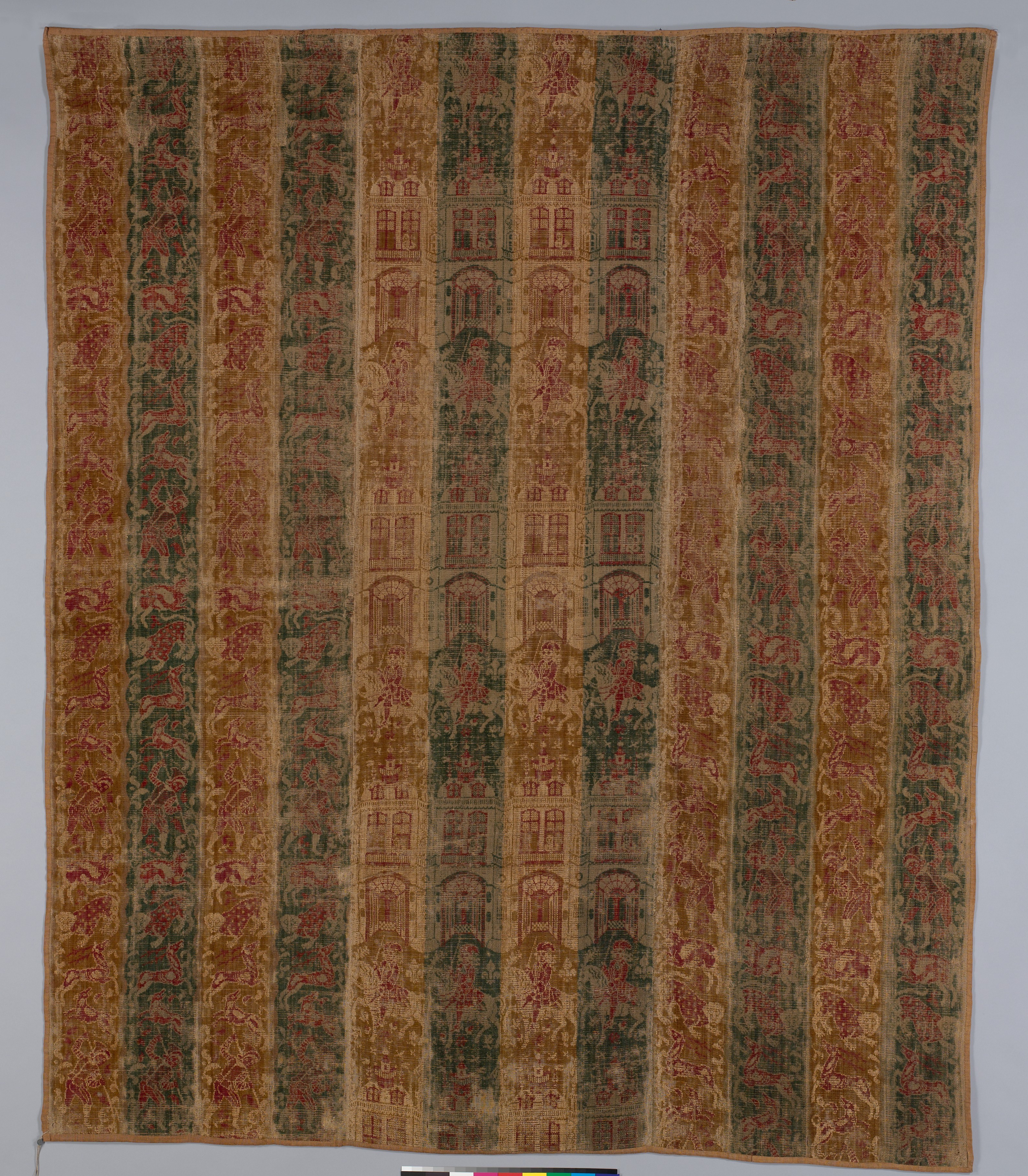
The Drape of Dynasties: A Couture Analysis of Wool Velvet Hanging
In the rarefied world of haute couture, where fabric is not merely a medium but a manifesto, the manipulation of weight and texture defines the line between the pedestrian and the profound. At Katherine Fashion Lab, our latest standalone study dissects a singular, arresting technique: the hanging of wool velvet. This is not a garment in the traditional sense, but a sculptural investigation into the dialogue between global heritage, material integrity, and the silent language of form. By sourcing a unique blend of wool and linen, we have engineered a textile that carries the memory of ancient looms while speaking the crisp dialect of modern structuralism. This analysis unpacks the technical, aesthetic, and cultural dimensions of this work, positioning it as a cornerstone of contemporary couture architecture.
Material Alchemy: The Wool and Linen Fusion
The foundation of this study lies in the deliberate choice of a wool-linen composite. Wool velvet, traditionally a symbol of opulence and warmth, is reimagined here through the addition of linen—a fiber of antiquity, prized for its tensile strength and matte finish. This union is not arbitrary; it is a calculated act of material alchemy. The wool provides the plush, forgiving pile that gives velvet its signature depth and shadow play, while the linen introduces a structural backbone that resists the natural tendency of pure wool to slump or distort under its own weight. The result is a fabric that hangs with a paradoxical gravity: it possesses the soft, yielding hand of luxury velvet yet holds its folds with the crisp authority of a tailored linen suit.
Technical Tension in the Weave
The weave itself is a feat of engineering. The warp threads, primarily linen, are set at a higher tension than standard velvet, creating a foundation that resists lateral distortion. The weft, a denser wool yarn, is cut to create the pile, but with a shorter, more compact loop than in traditional silk velvet. This reduces the pile’s ability to lie flat, instead forcing it to stand upright, creating a surface that catches light in multiple, unpredictable planes. The wool’s natural crimp, combined with the linen’s rigidity, produces a fabric that is both heavier and more responsive than its components alone. In the context of hanging, this means the velvet does not simply fall; it articulates each fold with a distinct, almost architectural precision. The drape is not a passive cascade but an active composition, where every pleat and gather is a deliberate statement of material intelligence.
Global Heritage as Structural Vocabulary
The hanging technique itself draws from a lexicon of global textile traditions, reinterpreted through a couture lens. From the voluminous court robes of the Mughal Empire, where velvet was draped to signify power and immensity, to the austere, pleated linen garments of ancient Egypt, the interplay of weight and fold has always encoded status and ritual. In this study, we honor that heritage by rejecting the contemporary impulse to force fabric into rigid, pre-formed silhouettes. Instead, the wool velvet is allowed to speak its own language of gravity. The hanging is not structured by internal boning or complex underpinnings; it is a pure expression of the material’s relationship with space and air.
Cultural Echoes in the Drape
The specific method employed—a series of asymmetrical, gravity-bound pleats anchored at a single, off-center point—references the draped shawls of the Himalayan regions, where wool textiles are wrapped and tied rather than cut and sewn. Yet, the execution is decidedly modern. The linen-warp construction allows the velvet to be manipulated into sharp, almost metallic-looking folds that echo the geometric precision of Japanese origami. This is not appropriation but translation: a respectful dialogue between the pastoral traditions of wool in Northern Europe, the flax-growing cultures of the Nile Valley, and the velvet-weaving mastery of the Italian Renaissance. The hanging becomes a global narrative, where each fold whispers a different chapter of textile history.
Standalone Study: The Object as Thesis
This analysis is framed as a standalone study—a deliberate departure from the seasonal collections and runway narratives that dominate contemporary fashion. The hanging of wool velvet is not a prototype for a garment; it is a pure research object, a physical thesis on the behavior of a specific material under specific conditions. By isolating the fabric from the demands of wearability, we can focus entirely on its intrinsic properties. The study examines how the wool-linen composite responds to environmental factors such as humidity, temperature, and light, documenting the subtle shifts in drape over time. This is couture as laboratory science, where the aesthetic outcome is secondary to the empirical data it generates.
Light, Shadow, and the Velvet Pile
One of the most compelling findings is the behavior of the wool pile in the hanging configuration. Unlike silk velvet, which reflects light uniformly due to its smooth fibers, the wool pile—with its microscopic scales and irregular texture—creates a dynamic, almost living surface. As the fabric hangs, the pile is compressed in some areas and raised in others, producing a gradient of light absorption. The linen warp, being more reflective, introduces a subtle sheen that contrasts with the matte wool. The result is a chiaroscuro effect reminiscent of a charcoal drawing, where the shadows are deep and velvety while the highlights are sharp and fibrous. This is not a passive backdrop for a garment; it is a performative surface that changes with the viewer’s angle and the ambient light, challenging the notion of fabric as a static medium.
Implications for Couture and Material Science
The conclusions drawn from this standalone study have profound implications for the future of couture. First, it demonstrates that heritage materials can be re-engineered for contemporary structural demands without losing their historical resonance. The wool-linen velvet offers a sustainable alternative to silk velvet, which is resource-intensive and less durable. Second, the hanging technique suggests a new vocabulary for draping that prioritizes material agency over designer imposition. Instead of forcing the fabric into a predetermined shape, the designer becomes a collaborator, allowing the wool velvet’s weight and weave to dictate the form. This approach aligns with the broader shift in luxury fashion toward conscious creation, where the process is as valued as the product.
A New Standard for Textile Integrity
Finally, this study establishes a benchmark for textile integrity in high-end design. The wool velvet’s ability to hold a complex, gravity-defying hang for extended periods—without creasing or distorting—proves that the fusion of wool and linen is not merely a novelty but a viable, repeatable standard for future collections. At Katherine Fashion Lab, we see this not as an endpoint but as a beginning. The hanging of wool velvet is a blueprint for a new material philosophy, one that respects the past while engineering for the future. In every fold, we find a story of global heritage, material innovation, and the enduring power of fabric to shape not just our clothes, but our understanding of space, light, and time itself.