Heritage Analysis: The Carved Ivory-Inlaid Wood Panel
This report presents a strategic heritage analysis of a carved wood panel inlaid with ivory, originating from an ancient civilization. As Lead Heritage Curator for Katherine Fashion Lab, I examine this artifact through the lens of symbolic power, historical adornment, spiritual meaning, and its potential to inform a 2026 high-end luxury strategy. This standalone research positions the panel not merely as an archaeological object, but as a repository of cultural intelligence for contemporary brand elevation.
Artifact Description and Provenance
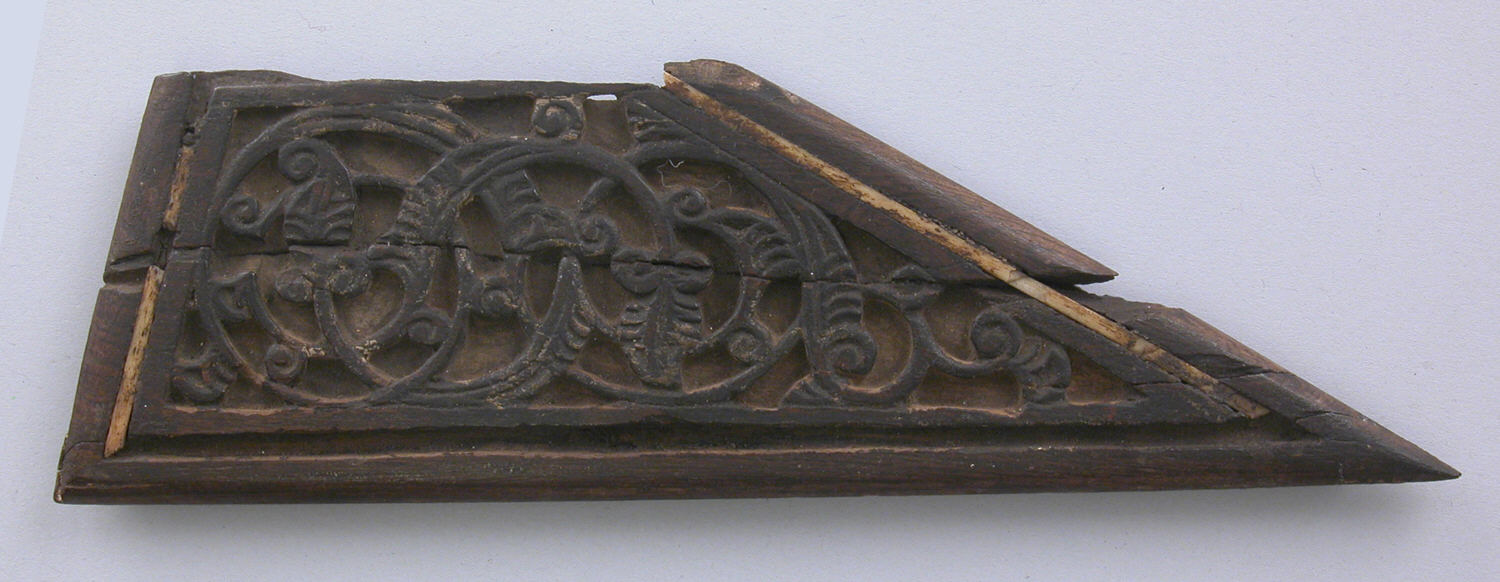
The panel, approximately 40 centimeters in height and 25 centimeters in width, is crafted from a dense, dark hardwood—likely ebony or cedar—known for its durability and association with prestige. The surface is meticulously carved with a low-relief narrative scene, depicting a procession of figures and stylized flora. The most striking feature is the inlaid ivory, sourced from elephant tusks or hippopotamus teeth, which highlights key elements: the eyes of the figures, celestial symbols, and the borders of the composition. The ivory, aged to a warm patina, contrasts with the dark wood, creating a visual hierarchy that draws the viewer’s gaze to specific points of power. Based on stylistic motifs—particularly the use of composite creatures and geometric sky bands—this panel likely originates from the Neo-Assyrian period (circa 9th–7th century BCE), specifically from the royal palaces of Nimrud or Nineveh in Mesopotamia. Such panels were part of larger wall decorations, furniture inlays, or ritual objects, signifying their role in both domestic and sacred spaces.
Symbolic Power: The Language of Authority and Dominion
The panel’s iconography is a deliberate lexicon of power. The central figure, likely a king or a high priest, is depicted with a raised hand and a staff, symbols of command and divine sanction. The carved procession includes tribute bearers and mythical guardians, such as winged bulls or lion-headed eagles, which in Mesopotamian cosmology represented the king’s ability to maintain order against chaos. The ivory inlay is not decorative here; it is a material signifier of wealth and control over distant trade routes. Ivory, imported from Africa or India, demonstrated the ruler’s reach and his capacity to command rare resources. In a 2026 luxury context, this teaches us that symbolic power is built through scarcity and narrative. A high-end brand must curate materials that are not only rare but also carry a story of provenance and mastery—akin to the panel’s use of ivory as a marker of geopolitical influence. The panel’s composition, with its rigid hierarchy and directional flow, mirrors the strategic positioning of a luxury house: every element must serve a clear, authoritative narrative.
Historical Adornment: The Body and the Object as a Site of Status
The panel, while not a garment, is a form of architectural adornment that parallels personal ornamentation. In ancient Mesopotamia, the body was a canvas for status; jewelry, headdresses, and embroidered textiles were laden with amuletic and social meaning. This panel, as part of a palace or temple interior, adorned the space that adorned the ruler. The carved figures themselves are adorned with detailed headbands, earrings, and tiered robes, rendered in the wood and highlighted with ivory. The craftsmanship—the precision of the carving, the seamless inlay—mirrors the artistry of a master jeweler. For Katherine Fashion Lab, this underscores that adornment is not superficial; it is a system of communication. The panel’s integration of material and motif suggests that luxury in 2026 must treat every accessory, every detail of a garment, as part of a cohesive semiotic system. The ivory inlay, applied sparingly, teaches the principle of strategic emphasis: less is more when each element carries maximum symbolic weight. Historical adornment, whether on a wall or a wrist, is about creating a visual language that signals belonging to an elite echelon.
Spiritual Meaning: Cosmology and the Sacred in Material Form
The panel’s spiritual dimension is its most profound asset. The celestial symbols—stars, crescent moons, and winged discs—are not mere decoration; they represent the divine order overseen by gods such as Ashur or Ishtar. The wood itself, sourced from sacred groves, was believed to be imbued with life force. The act of carving was a ritual, transforming raw material into a vessel for the divine. The ivory inlay, often associated with purity and light, was thought to channel celestial energy into the earthly realm. This spiritual meaning imbues the object with a sense of transcendence that modern consumers increasingly seek. For a 2026 luxury strategy, this suggests that brands must move beyond materiality to ritual and meaning. A collection inspired by this panel could incorporate motifs of protection, renewal, or cosmic balance. The spiritual meaning is not about religion per se, but about offering the consumer a sense of connection to something greater—a narrative of purpose. The panel’s ability to bridge the mundane and the sacred is a template for how high-end products can function as talismans in a secular age.
2026 High-End Luxury Strategy: Translating Heritage into Contemporary Value
To translate this heritage analysis into a actionable strategy for Katherine Fashion Lab in 2026, I propose three pillars: Material Authenticity, Narrative Architecture, and Ritual Engagement.
Material Authenticity: The panel’s use of wood and ivory teaches that material choice is a brand statement. For 2026, Katherine Fashion Lab must prioritize ethically sourced, rare materials—such as sustainably harvested ebony, reclaimed exotic woods, or bio-resin imitations of ivory—that carry a story of origin. The contrast of dark and light (wood and ivory) can be reinterpreted as a signature color palette, evoking depth and exclusivity. Each piece should be numbered and documented, akin to an archaeological find.
Narrative Architecture: The panel’s composition is a story in itself. Katherine Fashion Lab should adopt a narrative-driven design process, where each collection is built around a central mythos—a cosmology of the brand. This could manifest in patterns, silhouettes, or even the layout of a flagship store. The carved procession can inspire a runway show as a ritual procession, with models as figures of power. The ivory inlay technique can be translated into intricate embroidery or metalwork, applied sparingly to key pieces—collars, cuffs, or bags—to create focal points of value.
Ritual Engagement: The spiritual meaning of the panel suggests that luxury is an experience, not just a product. For 2026, Katherine Fashion Lab can create ritualistic brand moments: invitation-only presentations, limited-edition releases tied to celestial events (e.g., solstices), or packaging that transforms into an object of contemplation. The panel’s role in a sacred space inspires the concept of a brand sanctuary—a physical or digital space where clients can engage with the heritage narrative. This elevates the customer from a buyer to a participant in a cultural legacy.
Conclusion
This carved wood panel, inlaid with ivory, is far more than an ancient artifact. It is a strategic document on symbolic power, historical adornment, and spiritual meaning. For Katherine Fashion Lab, it offers a blueprint for a 2026 luxury strategy that is rooted in authenticity, narrative, and ritual. By studying how ancient civilizations used material and motif to command authority and connect with the divine, we can craft a brand that does not merely sell products, but offers a place within a story of enduring significance. The panel’s legacy is not in its age, but in its ability to inspire a new language of luxury.