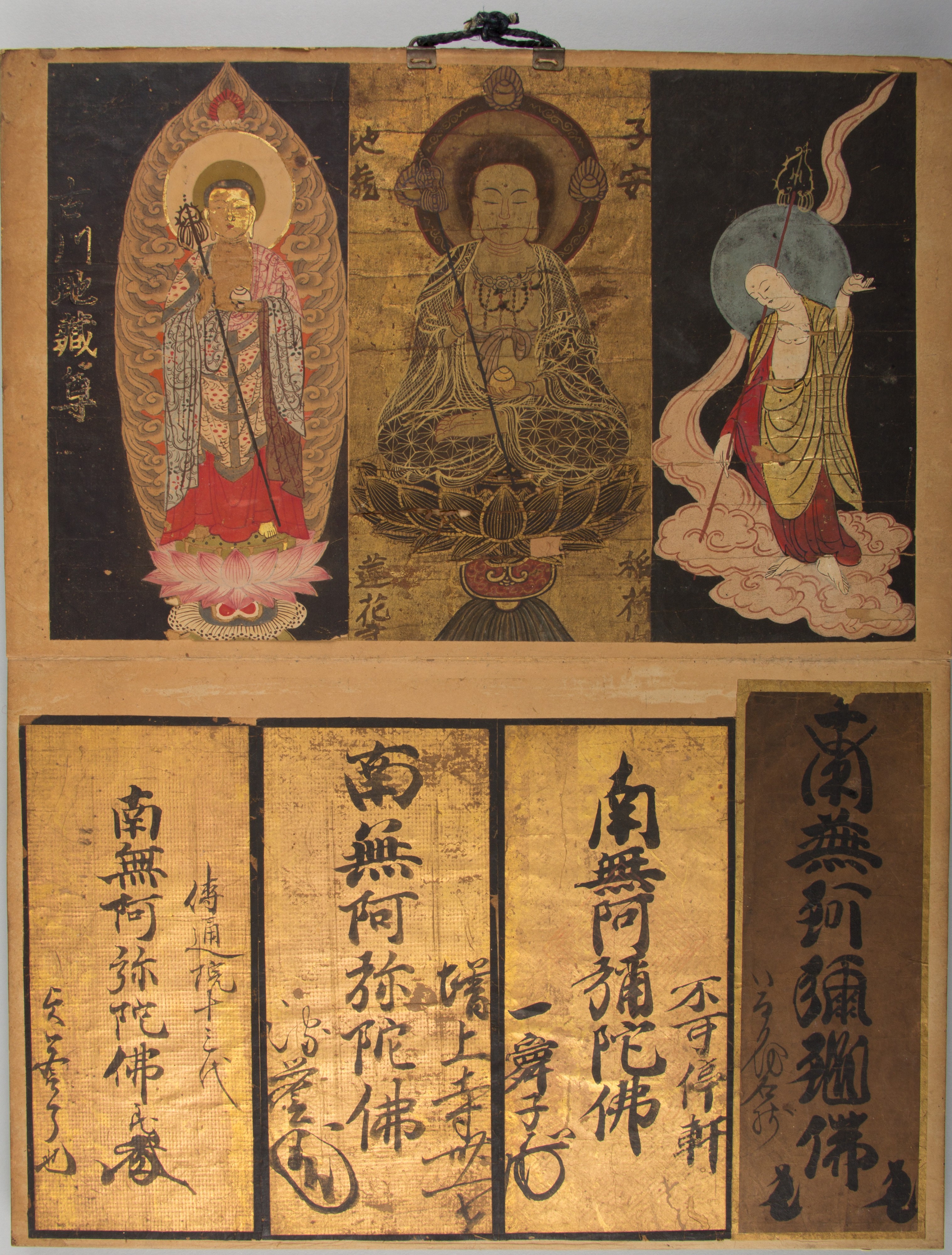
Heritage Analysis: The Pilgrim’s Visiting Album as a Strategic Artifact for Katherine Fashion Lab
In the pursuit of differentiating Katherine Fashion Lab within the ultra-competitive luxury landscape of 2026, the brand must look beyond transient trends and into the deep reservoirs of cultural memory. The Pilgrim’s Visiting Album—one from a set of four, originating from Japan—represents a paradigm of symbolic power, historical adornment, and spiritual meaning that is exceptionally rare in the Western fashion canon. This analysis deconstructs the album’s layered significance and translates its core principles into a viable, high-end luxury strategy for the coming season.
Symbolic Power: The Architecture of Prestige and Memory
The Pilgrim’s Visiting Album is not merely a record of travel; it is a portable monument to status and spiritual capital. In feudal and early-modern Japan, pilgrimage to sacred sites such as the Kumano Sanzan or the Shikoku 88-temple circuit was an act of profound devotion, but the albums that commemorated these journeys served a dual purpose: they were both devotional objects and social credentials. The album’s covers, embroidered with colored and metallic thread, signal wealth, taste, and access. The use of gold on paper is not decorative extravagance; it is a deliberate invocation of the divine—gold being a material associated with the Buddha’s radiance and the imperishable nature of enlightenment.
For Katherine Fashion Lab, the symbolic power of this artifact lies in its ability to transform personal narrative into collective prestige. In a 2026 luxury context, where consumers increasingly seek objects that tell a story of intentionality and transformation, the album offers a blueprint for “pilgrimage as heritage”. A luxury collection inspired by this album would not simply sell garments; it would sell the concept of a journey—a curated, spiritually charged experience that confers status through depth of meaning rather than mere visibility. The brand can adopt the album’s logic of layered symbolism: each piece in a capsule collection could reference a specific temple, a natural element (water, mountain, fire), or a calligraphic poem, thereby creating a wearable system of personal and cultural memory.
Historical Adornment: The Embodied Archive
The album’s medium—calligraphy on gilt paper, paintings in ink, color, and gold, mounted on paper, with silk embroidery—represents a multi-sensory, multi-material approach to adornment that predates modern luxury’s obsession with surface. Historically, the Japanese aristocracy and warrior class used such albums as extensions of the self. The embroidered covers were not just protective; they were tactile statements of identity. The metallic threads caught light in a way that mimicked the shimmer of temple treasures, while the silk provided a soft, intimate texture that invited touch.
From a strategic standpoint, this artifact challenges Katherine Fashion Lab to reconsider adornment as an archival practice. The album is a repository of calligraphic strokes—each brushstroke a record of a specific moment, a specific prayer, a specific hand. For 2026, the brand could develop a technique of “calligraphic embroidery” where metallic threads are used to replicate the fluidity of ink on paper, applied to silk or hand-painted leather. This is not a literal reproduction but a translation: the garment becomes a page, the embroidery becomes the pilgrimage. Historical adornment here is not about copying the past but about encoding the past into the structure of the garment. For example, a tailored coat could feature a hidden panel of gold-thread calligraphy visible only when the wearer moves, mirroring the album’s intimate, revealed-upon-inspection nature.
Spiritual Meaning: The Ritual of Slowness and Intention
The spiritual core of the Pilgrim’s Visiting Album is its function as a ritual object. Each album in the set of four likely corresponded to a specific pilgrimage route or a specific season, creating a cyclical, meditative rhythm. The act of viewing the album—turning the gilt pages, reading the poems, studying the ink-wash landscapes—was a form of seated pilgrimage. It required time, silence, and attention. This is antithetical to the fast-fashion consumption model and even to many luxury brands’ rapid seasonal cycles.
For Katherine Fashion Lab in 2026, spiritual meaning can be operationalized through ritualized design and limited production. The album suggests a “slow luxury” strategy where each piece is conceived as an object of contemplation. The brand could introduce a “Pilgrim’s Series” of four seasonal capsules, each tied to a spiritual theme: renewal (spring), purification (summer), reflection (autumn), and stillness (winter). Each garment would include a hidden, embroidered “pilgrim’s mark”—a small calligraphic symbol or a single metallic thread that only the wearer knows holds meaning. This creates an intimate, almost secret bond between the object and the owner, elevating the garment from a commodity to a personal talisman. The spiritual meaning is not overtly religious; it is universal, appealing to the modern desire for mindfulness, authenticity, and meaningful acquisition.
2026 High-End Luxury Strategy: From Artifact to Authority
To translate the Pilgrim’s Visiting Album into a viable 2026 strategy, Katherine Fashion Lab must position itself as a curator of cultural heritage, not merely a manufacturer of goods. The following strategic pillars emerge from this analysis:
1. The “Album-as-Collections” Framework. Just as the album is one of a set of four, the brand should release collections in interconnected sets—not as standalone seasons but as a narrative arc. Each piece within a set references another, creating a system of visual and symbolic coherence that rewards the collector. This encourages repeat purchases and deepens brand loyalty, as clients seek to complete their own “pilgrimage” of the collection.
2. Material Theology. The album’s use of gold, gilt paper, and silk embroidery is not arbitrary; it is material theology. Katherine Fashion Lab should adopt a “material hierarchy” that privileges rare, handcrafted, and spiritually significant materials. For instance, using Kumihimo silk cords (traditional Japanese braiding) as zipper pulls, or hand-dyed indigo that references the ink-wash landscapes. Each material choice should be justified by its historical and spiritual resonance, communicated to the client through detailed provenance cards—a modern equivalent of the album’s calligraphic inscriptions.
3. The Pilgrimage Experience. In 2026, luxury is increasingly experiential. The brand could host “Visiting Album” events at cultural institutions or private residences, where clients view the actual album (or a high-quality replica) while being introduced to the collection. This creates a ritual of initiation, transforming the purchase into a learned, privileged act. The experience would include a calligraphy demonstration by a living master, connecting the brand to living heritage rather than dead history.
4. Strategic Scarcity and Secrecy. The album’s covers, embroidered with metallic thread, were designed to be seen only when the album was opened. Katherine Fashion Lab can apply this principle by designing garments with “hidden luxury”—interior linings of gold-thread embroidery, secret pockets with embroidered poems, or closures that require a deliberate gesture to open. This appeals to the 2026 luxury consumer who values discretion and inner richness over ostentatious display.
Conclusion: The Album as a Strategic Mirror
The Pilgrim’s Visiting Album is far more than a historical curiosity; it is a strategic mirror for Katherine Fashion Lab. It reflects a world where adornment was inseparable from spiritual meaning, where status was earned through pilgrimage and preserved through art, and where the object itself was a vessel for memory and transformation. By translating the album’s symbolic power, historical adornment, and spiritual meaning into a coherent 2026 luxury strategy, the brand can differentiate itself as a purveyor of meaningful heritage—not nostalgia, but living tradition. In an era of digital saturation and ephemeral trends, the album reminds us that true luxury is slow, intentional, and deeply, quietly sacred.