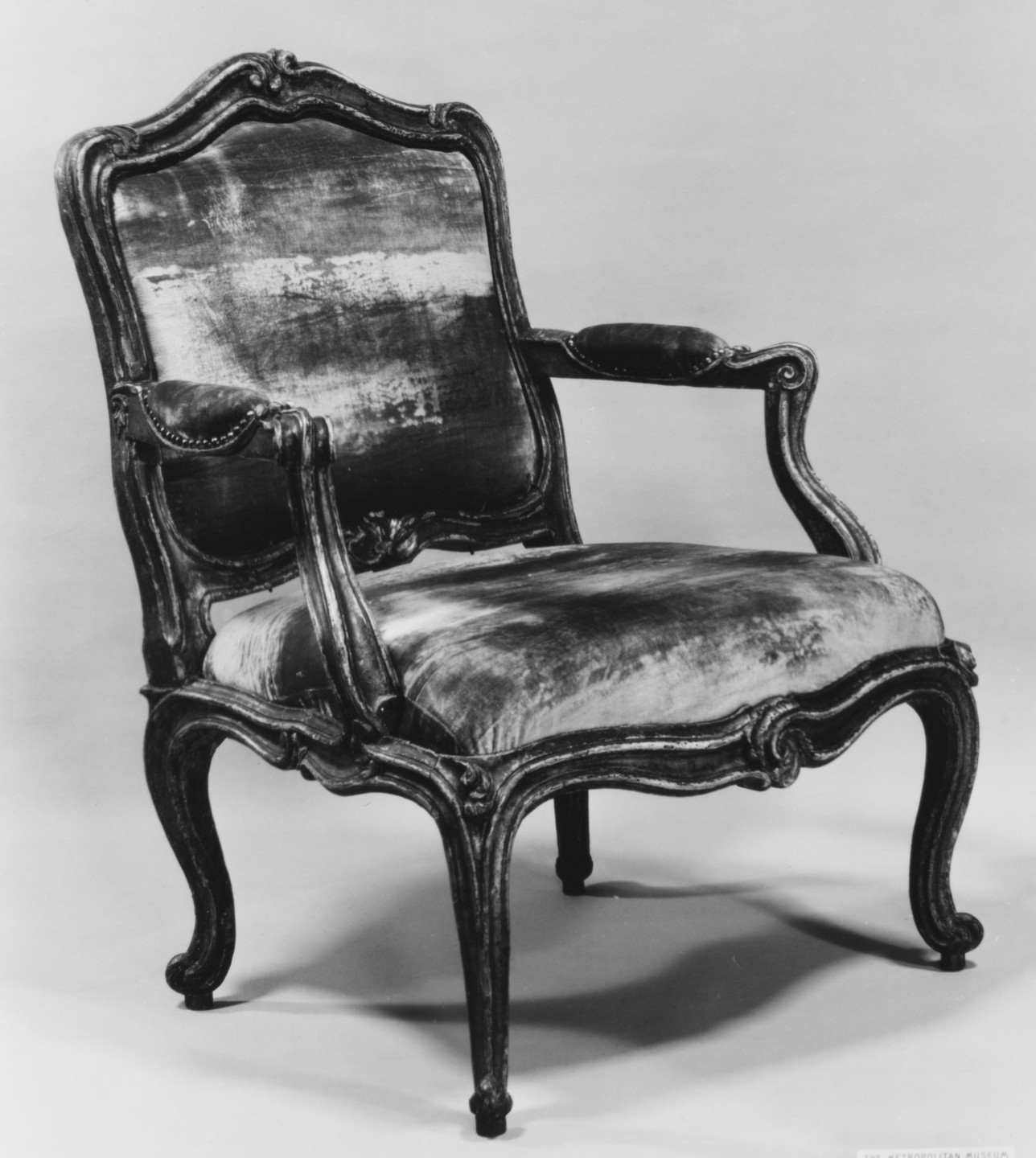
Deconstructing the Couture Armchair: A Study in Global Heritage and Material Mastery
Introduction: The Armchair as a Couture Statement
In the rarified world of high fashion, the distinction between apparel and environment dissolves. At Katherine Fashion Lab, we do not merely design garments; we curate ecosystems of luxury. The subject of this analysis—a standalone study armchair—is not a piece of furniture in the traditional sense. It is a couture object, a three-dimensional expression of the same rigorous principles that govern our atelier: silhouette, texture, provenance, and narrative. Crafted from walnut, gilded with precious metals, and upholstered in velvet, this armchair embodies a dialogue between global heritage and contemporary artistry. It is a statement piece for the discerning individual who understands that fashion extends to the very surfaces they inhabit.
The Material Lexicon: Walnut, Gilded, Velvet
Walnut: The Structural Foundation of Timelessness
The choice of walnut is deliberate, not arbitrary. In the lexicon of luxury materials, walnut occupies a unique position—neither as ostentatious as mahogany nor as austere as oak. Its grain is a narrative of age and resilience, offering a warm, rich honey-brown that deepens with time. For this armchair, the walnut is not merely a structural component; it is the skeleton of the couture piece. Each curve of the armrest and turn of the leg is carved with the precision of a master tailor cutting a bias-cut gown. The wood’s natural density ensures stability, while its workability allows for the sinuous, organic lines that define the chair’s silhouette. This is not mass-produced joinery; it is the result of hand-selected timber, seasoned over decades, and shaped by artisans who understand that wood breathes and ages, much like a fine leather jacket.
Gilded Accents: The Metallic Embroidery
Gilding is the haute couture embroidery of this piece. Where a gown might feature gold thread or sequins, this armchair employs thin layers of gold leaf applied to select elements—the finials, the base of the legs, and the subtle framing around the backrest. The application is painstaking: each surface is prepared with gesso, then layered with gold that is burnished to a luminous, matte finish. This is not the garish gold of mass-market furniture; it is a restrained, almost whispered opulence. The gilding catches light dynamically, shifting from a soft glow in ambient candlelight to a brilliant highlight under direct illumination. It serves as the metallic thread that binds the global heritage narrative, referencing the gilded thrones of European monarchies and the intricate metalwork of Mughal India, yet rendered with a modern minimalism that prevents it from becoming costume.
Velvet: The Fabric of Sensorial Luxury
Velvet is the skin of this couture armchair. In fashion, velvet is synonymous with decadence—think of a velvet opera coat or a velvet evening gown. Here, the upholstery is not an afterthought; it is the primary tactile experience. The velvet chosen is a deep, jewel-toned hue—perhaps a midnight sapphire or a crushed amethyst—woven from silk or a high-density cotton-silk blend. Its pile is short, dense, and lustrous, inviting touch. The fabric’s ability to absorb and reflect light creates a chiaroscuro effect on the chair’s contours, emphasizing the sculptural form. More importantly, velvet offers a counterpoint to the hard, polished surfaces of walnut and gold. It is the soft, enveloping element that transforms the chair from an object of admiration to an invitation for repose. This is the same principle that guides a couture dress: the interplay of structure and fluidity, of strength and softness.
Global Heritage: A Narrative Woven Across Continents
European Lineage: The Throne and the Salon
The armchair’s silhouette draws heavily from European aristocratic design. Its high, slightly winged backrest echoes the thrones of French and Italian nobility, where power was literally embodied in furniture. The cabriole legs, with their subtle S-curve, are a hallmark of Louis XV’s Rococo period—a time when furniture was as much about seduction as it was about seating. Yet, this is not a reproduction. The proportions have been refined for the modern body: the seat depth is generous but not cavernous, the armrests are positioned for both reading and conversation. The gilded accents, while referencing the opulence of Versailles, are applied with restraint, ensuring the piece feels curated rather than inherited. This is global heritage distilled, not replicated.
Asian Influence: The Precision of Craft
Beneath the European silhouette lies an Eastern sensibility. The walnut carving exhibits a precision that recalls Japanese woodworking traditions—the clean lines, the absence of visible fasteners, the respect for the natural grain. The gilding technique, while European in origin, is executed with the meticulousness of a lacquer artisan from Kyoto. The velvet, too, nods to the silk markets of Uzbekistan and the velvets of Renaissance Italy, which were themselves influenced by trade routes from China. This armchair is a cosmopolitan artifact, a testament to the fact that luxury has always been global. It does not belong to one culture; it belongs to the lineage of human artistry.
Contextual Analysis: The Standalone Study
The Solitary Stage: Why a Standalone Piece Matters
This armchair is not designed for a suite or a set. It is a standalone piece, intended for a study, a library, or a contemplative corner. In the language of fashion, this is akin to a statement coat that does not need a matching ensemble. The study is a space of introspection, of intellectual labor, and of private luxury. Here, the armchair becomes the focal point of the room’s narrative. Its isolation is intentional: it demands attention, yet it offers solitude. The walnut and gilded structure grounds the space, while the velvet invites the occupant to linger. This is not a chair for passing through; it is a chair for inhabiting.
Ergonomics as Couture Fit
Just as a couture gown is tailored to the body, this armchair is tailored to the act of sitting. The seat height is calibrated to allow the feet to rest flat, promoting circulation during long reading sessions. The backrest’s recline angle is set at 15 degrees—the optimal balance between upright alertness and relaxed comfort. The armrests are wide enough to support a book or a tablet, yet not so broad as to strain the shoulders. Each measurement is the result of iterative prototyping, much like a fashion house’s fitting sessions. The velvet upholstery is quilted in a subtle diamond pattern, adding a layer of cushioning that conforms to the body over time. This is ergonomic luxury, where comfort is not sacrificed for aesthetics.
Conclusion: The Armchair as a Manifesto
At Katherine Fashion Lab, we believe that couture is not limited to the body. It extends to the environments that shape our lives. This armchair—in walnut, gilded, and velvet—is a manifesto of global heritage, material integrity, and singular purpose. It is a piece that tells a story of craftsmanship across centuries and continents, yet remains utterly contemporary in its execution. For the collector or the connoisseur, it is more than a seating option; it is an heirloom in the making, a silent partner in the quiet drama of daily life. To sit in this armchair is to participate in a tradition of luxury that respects the past while embracing the future—a true couture experience for the discerning individual.