Heritage Analysis: The Japanese Saddle (Kura) as a Strategic Artifact for High-End Luxury
Introduction: The Saddle as a Cultural and Commercial Artifact
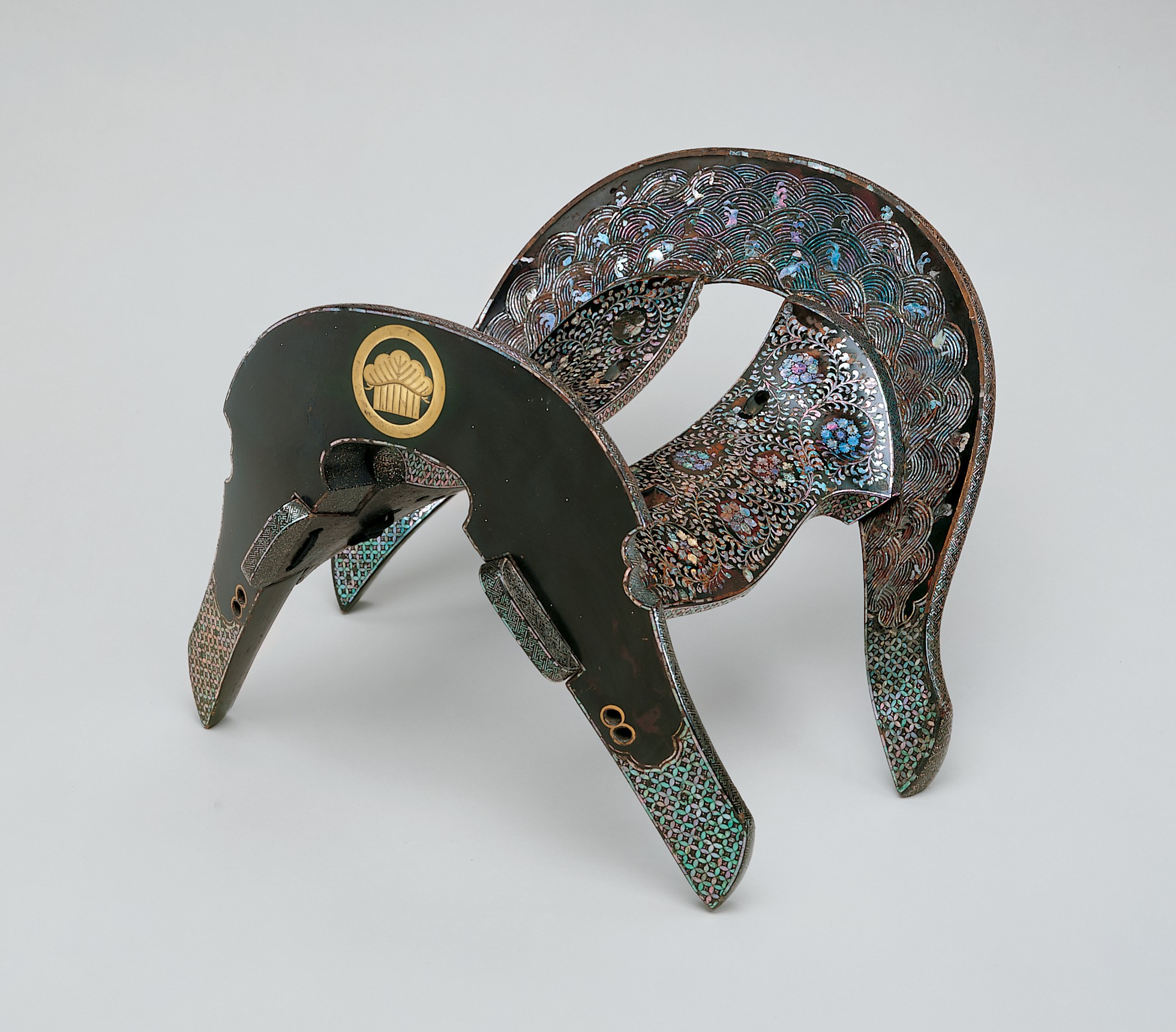
The Japanese saddle, or Kura, is far more than a functional piece of equestrian equipment. Crafted from wood, lacquer, abalone shell, and gold, it represents a pinnacle of historical adornment, spiritual symbolism, and aristocratic power. For Katherine Fashion Lab, this artifact offers a rich reservoir of design language and symbolic capital that can be strategically leveraged for a 2026 high-end luxury strategy. This analysis examines the Kura through the lenses of symbolic power, historical adornment, spiritual meaning, and commercial application, providing a framework for integrating its heritage into a contemporary luxury narrative.
Symbolic Power: The Kura as an Emblem of Status and Authority
In feudal Japan, the Kura was not merely a tool for riding; it was a mobile throne that signified the rider’s rank, wealth, and military prowess. The materials used—lacquer, abalone shell, and gold—were reserved for the highest echelons of society, including samurai lords (daimyo) and shoguns. The saddle’s intricate designs often incorporated family crests (mon) and motifs such as dragons, phoenixes, and chrysanthemums, each carrying specific connotations of power, longevity, and imperial favor.
For a luxury brand, the Kura’s symbolic power translates into a narrative of exclusivity and authority. In a 2026 market where consumers seek authenticity and status, the Kura can be repositioned as a metaphor for the brand’s own dominance and heritage. By adopting its iconography—such as the use of gold leaf or abalone inlay—a luxury product line can evoke the same sense of unassailable prestige that a daimyo’s saddle once commanded.
Historical Adornment: Craftsmanship and Material Mastery
Wood and Lacquer: The Foundation of Durability and Beauty
The Kura’s core structure is typically carved from paulownia or hinoki wood, chosen for its lightweight durability. This base is then coated in multiple layers of urushi lacquer, a natural resin that hardens into a glass-like finish. The lacquer not only protects the wood but also serves as a canvas for elaborate decoration. The process of applying lacquer—often requiring dozens of coats and weeks of drying time—reflects a philosophy of patience and perfection that aligns with modern luxury’s emphasis on slow craftsmanship.
Abalone Shell and Gold: Luminescence and Opulence
Abalone shell (awabi) is meticulously cut into thin pieces and inlaid into the lacquer using the raden technique. This creates an iridescent shimmer that shifts with light, evoking the sea’s depths. Gold, applied as leaf or powder (maki-e), adds a layer of opulence that is both bold and refined. The combination of these materials results in a saddle that is as much a light-capturing sculpture as a functional object.
For Katherine Fashion Lab, these techniques offer direct inspiration for product development. A 2026 luxury collection could feature accessories—such as handbags, belts, or jewelry—that incorporate abalone inlay or gold lacquer finishes. The narrative of artisanal mastery becomes a key differentiator in a market saturated with mass-produced goods.
Spiritual Meaning: The Kura as a Bridge Between Worlds
Beyond its material and social significance, the Kura held deep spiritual meaning in Japanese culture. Horses were considered sacred animals, often associated with Shinto deities and used in rituals to carry prayers to the gods. The saddle, therefore, was not just a seat but a conduit for divine connection. Many Kura feature motifs of clouds, waves, and celestial beings, symbolizing the rider’s journey between the earthly and the divine.
The act of riding itself was imbued with spiritual discipline. For the samurai, the horse and saddle represented the harmony of mind, body, and spirit—a concept central to Zen Buddhism. The Kura’s design, with its precise balance and ergonomic curves, reflects this pursuit of equilibrium.
In a 2026 luxury context, this spiritual dimension can be harnessed to create a brand ethos centered on mindfulness and intentionality. Products inspired by the Kura might be marketed as tools for personal transformation—a handbag as a “vessel for one’s journey” or a scarf as a “symbol of protection.” This narrative appeals to consumers seeking meaning beyond materiality.
2026 High-End Luxury Strategy: Translating Heritage into Commercial Relevance
Strategic Positioning: From Artifact to Icon
To integrate the Kura’s heritage into a 2026 luxury strategy, Katherine Fashion Lab must first establish the artifact as a brand icon. This can be achieved through limited-edition collaborations with contemporary artisans who specialize in lacquerware and raden. By producing a capsule collection of accessories that directly reference Kura motifs—such as a clutch shaped like a saddle’s pommel or a belt buckle featuring abalone inlay—the brand creates a direct lineage to historical craftsmanship.
Material Innovation: Reinterpreting Tradition
The use of wood, lacquer, abalone, and gold can be modernized through sustainable sourcing and innovative techniques. For example, lab-grown abalone shell or recycled gold could appeal to eco-conscious luxury consumers. The lacquer itself could be developed as a signature finish for leather goods, offering a glossy, durable alternative to traditional treatments. This approach honors tradition while addressing contemporary values.
Narrative Marketing: Storytelling as Value Creation
The Kura’s story is its greatest asset. A 2026 campaign could center on the theme of “The Seat of Power,” exploring how luxury objects carry the weight of history and aspiration. Through immersive digital experiences—such as virtual tours of a Kura’s construction process or AR filters that apply raden patterns to personal items—consumers can engage with the artifact’s heritage on a sensory level. Each product sold could include a certificate detailing its inspiration from a specific historical Kura, reinforcing its authenticity.
Pricing and Exclusivity
Given the Kura’s association with aristocracy, a high-price strategy is essential. A single saddle-inspired handbag might retail at $5,000–$10,000, positioning it as an investment piece. Limited production runs—no more than 100 units per design—create scarcity and desirability. The brand could also offer a bespoke service where clients commission custom saddles or accessories with personal motifs, echoing the daimyo’s tradition of commissioning unique Kura.
Conclusion: The Kura as a Blueprint for Timeless Luxury
The Japanese saddle (Kura) is a masterclass in the fusion of function, art, and spirituality. Its symbolic power, historical adornment, and spiritual meaning offer Katherine Fashion Lab a robust framework for a 2026 high-end luxury strategy. By translating its materials, techniques, and narratives into contemporary products, the brand can create offerings that resonate with discerning consumers seeking status, craftsmanship, and meaning. The Kura reminds us that true luxury is not merely owned—it is inherited, embodied, and elevated.