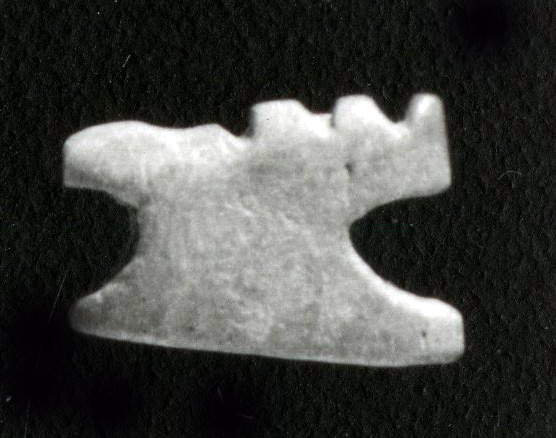
Heritage Analysis: The Lion Amulet in Ivory
Symbolic Power and Cultural Significance
The lion amulet, carved from ivory in ancient civilizations, represents one of humanity’s earliest and most potent symbols of authority, protection, and divine favor. In cultures ranging from the Nile Valley to Mesopotamia, the lion was not merely a predator but a celestial guardian, embodying the sun’s life-giving and destructive forces. The choice of ivory—a material sourced from elephants, themselves revered for strength and wisdom—amplified the amulet’s symbolic weight. Ivory’s rarity and labor-intensive carving process transformed the amulet into a talisman of elite status, worn by priests, warriors, and royalty to channel the lion’s indomitable spirit. In Egyptian contexts, the lion amulet often accompanied the deceased into the afterlife, serving as a guardian against chaos and a marker of rebirth. For the Sumerians, the lion was linked to the goddess Inanna, symbolizing both martial prowess and erotic power. This duality—protection and aggression, life and death—made the lion amulet a versatile emblem across ancient societies.
From a strategic heritage perspective, the lion amulet’s symbolic power resides in its ability to communicate dominance without words. The lion’s mane, often exaggerated in carving, suggested solar radiance and kingship, while its pose—standing, reclining, or roaring—conveyed specific intentions. The amulet’s size, typically small enough to be worn or carried, allowed for intimate, personal engagement with its power. This intimacy is critical for modern luxury strategy: the amulet was not a public monument but a private anchor of identity, a quality that resonates with today’s discerning clientele seeking meaning in exclusivity.
Historical Adornment and Material Prestige
Historically, the lion amulet in ivory was a pinnacle of personal adornment, reserved for those who could afford both the material and the artisan’s skill. Ivory, sourced from African and Asian elephants, required extensive trade networks, often spanning entire continents. The amulet’s production involved master carvers who understood the grain and density of ivory, creating pieces that were both durable and luminous. Unlike gold or lapis lazuli, ivory offered a warm, organic texture that aged gracefully, developing a patina that enhanced its value over time. This aging process imbued the amulet with a sense of lineage, connecting its wearer to ancestors and traditions.
Adornment with the lion amulet was not merely decorative; it was a declaration of cosmic alignment. In ancient Egypt, the amulet was often strung with carnelian or faience beads, creating a necklace that combined protective and regenerative powers. In Minoan Crete, lion amulets were pinned to garments or worn as pendants, signaling the wearer’s role as a mediator between the human and divine. The material’s scarcity and the amulet’s craftsmanship meant that each piece was unique, a concept that directly informs modern high-end luxury strategies. Today, the heritage of ivory—now ethically problematic—forces a reinterpretation. A 2026 luxury house must consider sustainable alternatives, such as fossilized ivory or high-quality resin, to honor the aesthetic without ecological harm. The historical prestige of ivory, however, remains a benchmark for exclusivity and tactile luxury.
Spiritual Meaning and Ritual Function
The spiritual meaning of the lion amulet transcends mere ornamentation, functioning as a conduit for divine energy. In ancient belief systems, the amulet was activated through rituals—anointing with oils, exposure to moonlight, or recitation of sacred texts. The lion’s roar was thought to scare away evil spirits, while its gaze could paralyze adversaries. For the wearer, the amulet provided psychological armor, a tangible reminder of inner strength and protection. In funerary contexts, lion amulets were placed over the heart or on the chest, ensuring that the deceased’s soul would be guided safely through the underworld’s trials. The Egyptian Book of the Dead specifically mentions lion-headed deities as guardians of thresholds, reinforcing the amulet’s role as a spiritual key.
This spiritual dimension is particularly relevant for modern luxury consumers, who increasingly seek objects with holistic meaning. The lion amulet’s ability to embody courage, resilience, and transcendence aligns with contemporary wellness and self-empowerment trends. A 2026 strategy could position the amulet as a “personal totem,” customizable through modern rituals—such as intention-setting ceremonies or digital certificates of provenance. The spiritual heritage adds a layer of depth that mass-produced luxury cannot replicate, creating an emotional bond between object and owner.
2026 High-End Luxury Strategy: Reviving the Lion Amulet
For Katherine Fashion Lab, the lion amulet in ivory offers a blueprint for a 2026 high-end luxury strategy rooted in heritage, scarcity, and narrative. The first strategic pillar is ethical reinterpretation. Given the ban on new ivory, the lab must source fossilized mammoth ivory or advanced bio-resins that mimic ivory’s texture and luminosity. This pivot aligns with sustainability imperatives while preserving the material’s historical prestige. Each amulet should include a “heritage card” detailing its design inspiration from a specific ancient civilization—be it Egyptian, Mesopotamian, or Minoan—authenticating its cultural lineage.
The second pillar is experiential exclusivity. The lion amulet should be offered through a private salon model, where clients consult with a curator to select their amulet’s pose, size, and symbolic intent. A “lion ceremony” could be part of the purchase, involving a brief guided meditation or a personalized inscription. This transforms the amulet from a product into a rite of passage, echoing its ancient ritual function. Pricing should reflect this bespoke service, positioning the amulet in the ultra-luxury bracket, with limited annual releases to maintain scarcity.
The third pillar is narrative marketing. Campaigns should focus on the amulet’s dual nature—protection and power—using imagery of modern warriors, such as CEOs, artists, or activists, wearing the amulet as a symbol of inner fortitude. Collaborations with historians and archaeologists can lend credibility, while digital storytelling, including augmented reality that shows the amulet’s ancient context, enhances engagement. A 2026 collection might be titled “The Roar of Kings,” with each amulet linked to a specific historical figure, from Alexander the Great to Cleopatra, creating a narrative bridge between past and present.
Finally, the fourth pillar is investment value. The lion amulet should be marketed as a heirloom piece, with a buy-back or trade-in program that emphasizes its enduring worth. Limited editions, each with a unique identifier, can be tracked via blockchain, ensuring provenance and resale value. This approach appeals to collectors and investors, positioning the amulet as an asset class within luxury fashion.
In conclusion, the lion amulet in ivory is not merely an artifact but a strategic asset for Katherine Fashion Lab. By honoring its symbolic power, historical adornment, and spiritual meaning, while adapting to ethical and market realities, the lab can create a 2026 luxury offering that is both timeless and forward-looking. The amulet’s journey from ancient talisman to modern icon is a testament to the enduring human need for symbols of strength and protection—a need that luxury, at its best, fulfills with artistry and intention.