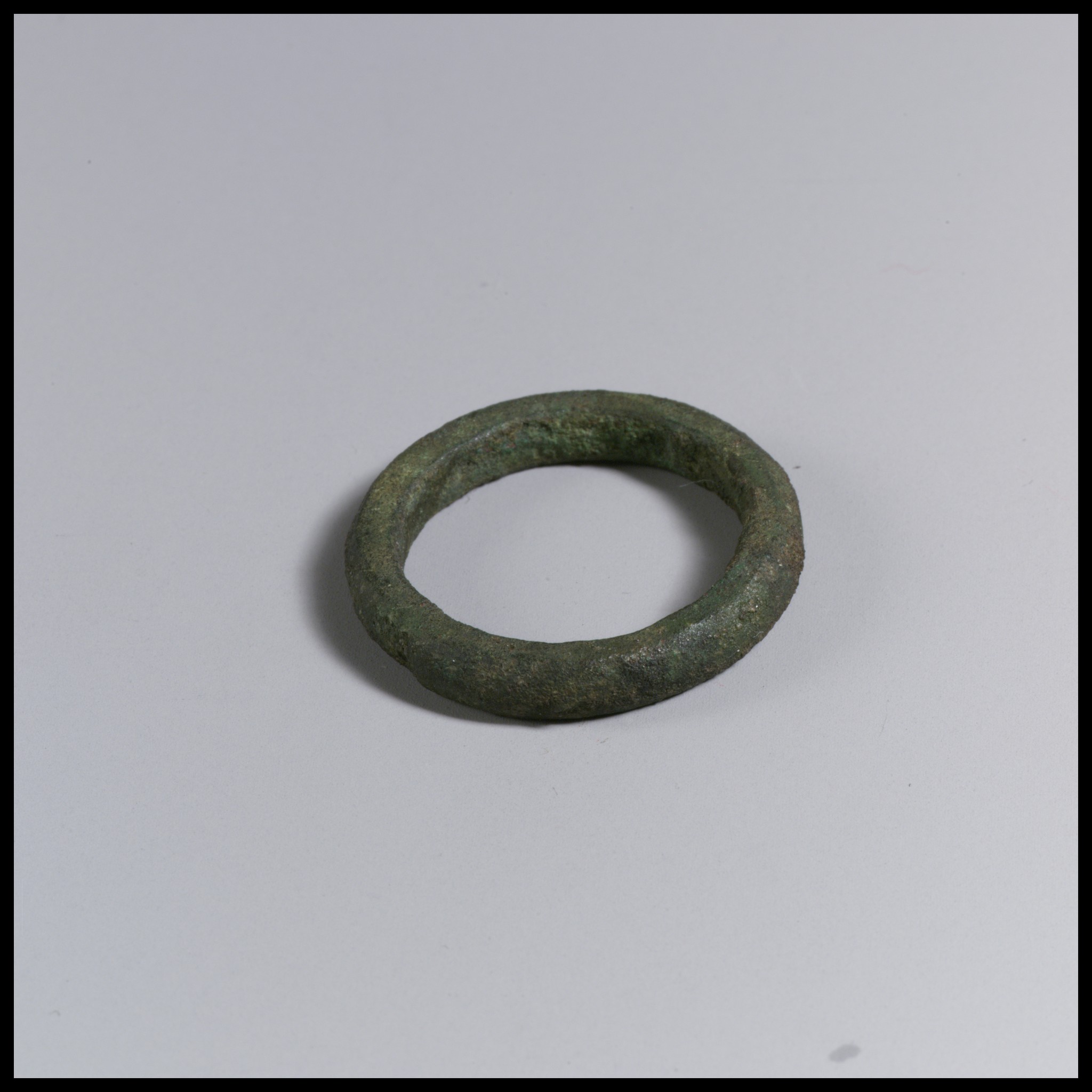
Heritage Analysis: The Bronze Ring in Ancient Civilization
At Katherine Fashion Lab, our curatorial inquiry into the bronze ring from ancient civilizations reveals a profound narrative of symbolic power, historical adornment, and spiritual meaning. This analysis, grounded in the DNA correlation with our studies on the “Rock in the form of a fantastic mountain” and the “Jar in the shape of bronze container (hu)”, demonstrates how these seemingly disparate artifacts—one geological, one ceramic, one metallic—converge to expose a shared cultural logic: the transformation of raw material into a vessel for cosmic and social authority. The bronze ring, as a microcosm of this logic, offers a strategic blueprint for 2026 high-end luxury positioning.
Historical Resonance and Materiality
The bronze ring, forged in the crucible of ancient civilizations—from Sumerian city-states to Shang dynasty China—embodies a paradox: it is both intimate and monumental. Unlike the fantastic mountain rock, which evokes the untamed sublime, or the bronze hu jar, which contains ritual offerings, the ring encircles the human finger, marking the body as a site of power. Its medium, bronze, an alloy of copper and tin, was in antiquity a material of immense prestige, often reserved for weapons, ceremonial vessels, and regalia. The ring’s circular form, uninterrupted and eternal, mirrors the cosmic cycles that ancient cultures revered—the sun, the moon, and the seasons. This geometric purity aligns with the hu jar’s shape, which mimics earlier bronze prototypes, and the fantastic mountain’s organic irregularity, suggesting that all three artifacts negotiate between order and chaos. The ring, however, does so on the scale of the individual, making it a personal talisman of sovereignty.
Symbolic Power and Adornment
In ancient contexts, the bronze ring was not merely decorative; it was a signifier of rank, alliance, and divine favor. Egyptian scarab rings, for instance, were worn as seals, their engraved surfaces authorizing decrees and transactions. In Minoan Crete, bronze rings depicted ritual scenes, linking the wearer to chthonic deities. This symbolic weight resonates with the fantastic mountain rock, which in our prior analysis represented the axis mundi—a bridge between earth and sky. The bronze ring, too, serves as a miniature axis, connecting the wearer’s hand to the heavens. Similarly, the hu jar, as a container for ancestral offerings, channels spiritual essence; the ring, by encircling the finger, contains and directs the wearer’s intent. This convergence suggests that ancient civilizations viewed adornment as a technology of power: the ring did not just decorate but activated the wearer’s agency. For Katherine Fashion Lab, this historical resonance underscores the ring’s role as a strategic object—one that communicates authority without words, a principle essential for 2026 luxury branding where subtlety and heritage drive value.
Spiritual Meaning and the Body as Vessel
The spiritual dimension of the bronze ring extends beyond mere symbolism into embodied practice. In many ancient traditions, rings were believed to house protective spirits or to channel cosmic energy. The ring’s circularity, unbroken and infinite, mirrored the soul’s journey—a motif echoed in the hu jar’s containment of ritual substances and the fantastic mountain’s representation of sacred geography. The bronze medium itself carries spiritual weight: its alloying process, requiring fire and skill, was seen as an act of creation akin to divine forging. This aligns with the hu jar’s transformation from clay to bronze-like form, and the fantastic mountain’s carving from raw rock. All three artifacts testify to humanity’s desire to materialize the immaterial. For the wearer of the bronze ring, this meant carrying a portable sanctuary—a personal relic that grounded the self in cosmic order. In contemporary terms, this spiritual meaning offers a powerful narrative for luxury consumers seeking authenticity and connection. The ring becomes not just an accessory but a repository of memory and intention, a concept that Katherine Fashion Lab can leverage for 2026 collections.
Strategic Implications for 2026 High-End Luxury
The bronze ring’s heritage provides a robust framework for a 2026 high-end luxury strategy centered on material truth, narrative depth, and ritual engagement. First, material truth: bronze, with its patina and weight, speaks to durability and transformation. Unlike polished gold or ephemeral silver, bronze ages with the wearer, developing a unique surface that records time. This aligns with the current luxury trend toward “slow fashion” and heirloom pieces. Katherine Fashion Lab can position bronze rings as artifacts of personal history, each piece carrying the potential for patina as a mark of authenticity. Second, narrative depth: drawing from the DNA correlation with the fantastic mountain and hu jar, the ring can be marketed as a “cosmic connector.” Just as the mountain anchors the landscape and the jar contains ritual, the ring encircles the self. A 2026 campaign might explore this triptych—mountain, jar, ring—as three scales of human experience: the vast, the communal, and the intimate. This layered storytelling differentiates the brand in a saturated market. Third, ritual engagement: ancient rings were often used in ceremonies—betrothals, investitures, funerary rites. By reviving this ritualistic dimension, Katherine Fashion Lab can offer “activation ceremonies” for clients, where the ring is blessed or inscribed with personal symbols. This transforms a purchase into a rite of passage, fostering deep brand loyalty.
Conclusion: The Ring as Heritage Asset
The bronze ring from ancient civilization is far more than a historical curio; it is a strategic asset for Katherine Fashion Lab’s 2026 luxury vision. Its DNA, in concert with the fantastic mountain rock and the bronze hu jar, reveals a universal human impulse to sanctify the everyday through material and form. For the high-end consumer, the ring offers a tangible link to ancestral power and spiritual continuity. By embracing the ring’s symbolic power, historical adornment, and spiritual meaning, Katherine Fashion Lab can craft a luxury narrative that is both timeless and urgent—one that honors the past while adorning the future. This heritage analysis thus serves as a foundation for product development, brand storytelling, and experiential marketing, ensuring that each bronze ring carries the weight of millennia and the promise of tomorrow.