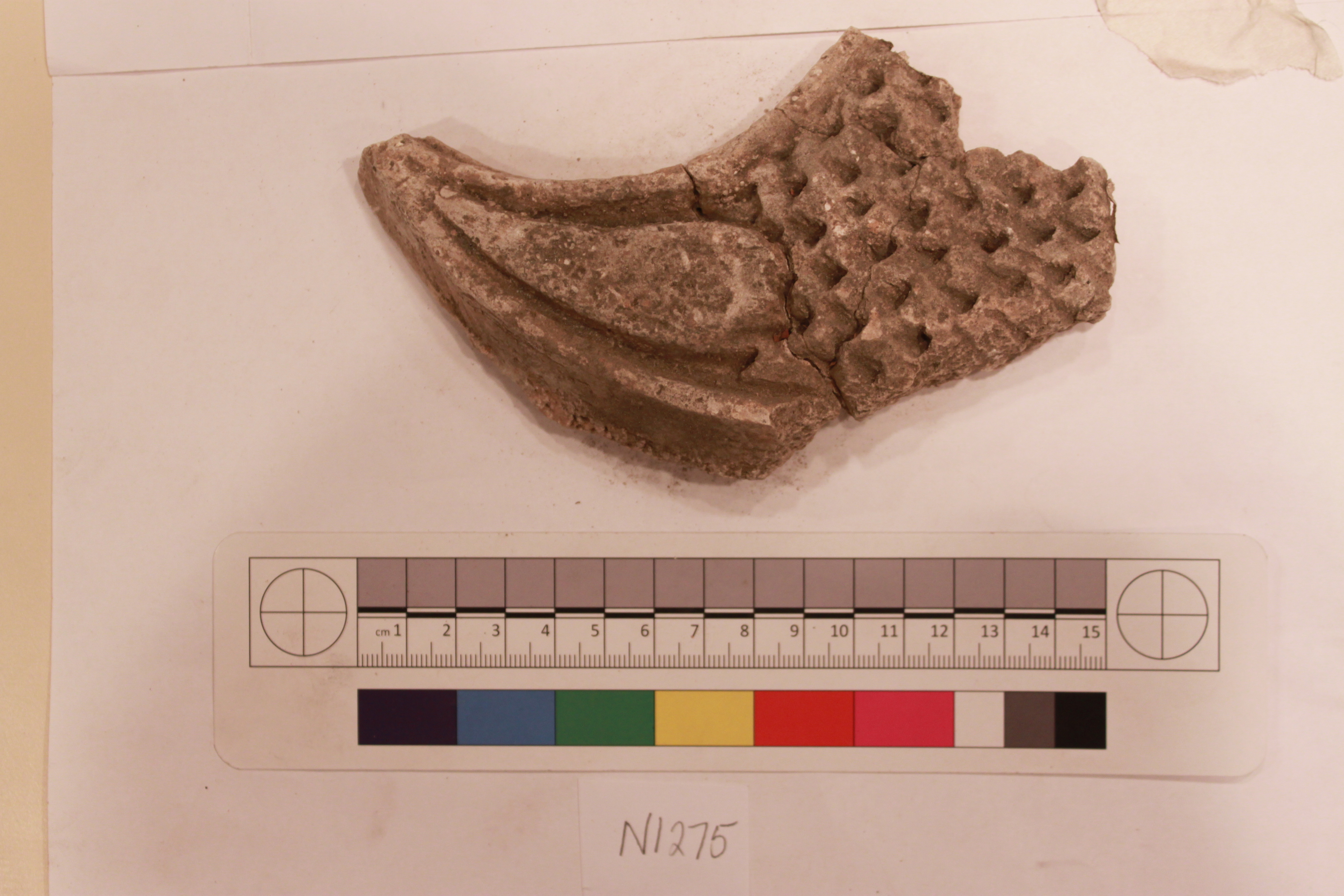
Heritage Analysis: Stucco Fragment
This report presents a strategic heritage analysis of a carved stucco fragment from an ancient civilization, commissioned by Katherine Fashion Lab. The fragment, rendered in stucco—a durable, moldable medium historically used for architectural ornamentation—serves as a lens through which to examine symbolic power, historical adornment, and spiritual meaning. The analysis culminates in a forward-looking strategy for high-end luxury positioning in 2026, leveraging the fragment’s cultural authority and aesthetic resonance.
Symbolic Power: The Authority of Carved Form
Symbolic power inheres in the stucco fragment’s materiality and iconography. Stucco, often employed for temple friezes, palace reliefs, and funerary contexts, was not merely decorative but a medium of political and cosmological messaging. Carved motifs—whether geometric, zoomorphic, or anthropomorphic—encoded hierarchies, dynastic legitimacy, and cosmic order. For instance, in Mesoamerican civilizations, stucco masks and glyphs on pyramid facades communicated the ruler’s divine mandate; in Hellenistic contexts, stucco reliefs in domestic spaces signaled wealth and cultural literacy. The fragment’s survival implies it once adorned a structure of significance, its carved details now serving as a fragmentary testament to a lost worldview. For luxury strategy, this symbolic power translates into exclusivity through provenance: owning or referencing such a fragment implies access to a lineage of power, offering the modern consumer a tangible connection to ancient authority.
Historical Adornment: Stucco as a Prestige Medium
Historical adornment practices reveal stucco’s role as a prestige material. Unlike stone or metal, stucco allowed for intricate, rapid carving, enabling elaborate ornamentation that mimicked more expensive materials. In Roman villas, stucco ceilings were painted with frescoes, creating immersive environments of luxury; in Indian subcontinent temples, stucco figures adorned gateways, their polychrome surfaces reflecting light and wealth. The fragment’s carved surface—likely once painted or gilded—demonstrates a commitment to artisanal mastery, where skilled labor transformed a humble mixture of lime, sand, and water into a high-art object. For Katherine Fashion Lab, this suggests a strategy of craft storytelling: positioning the fragment as a prototype for bespoke, handcrafted luxury. In 2026, consumers value visible craftsmanship and material innovation; stucco’s historical use as a “liquid stone” aligns with contemporary interests in sustainable, artisanal production methods.
Spiritual Meaning: The Sacred in the Fragmentary
Spiritual meaning is embedded in the stucco fragment’s likely ritual context. In many ancient cultures, stucco was used to create effigies of deities, ancestors, or supernatural beings. The carved surface, even in fragmentary form, retains apotropaic or devotional potency. For example, in pre-Columbian Andean civilizations, stucco-covered adobe pyramids housed burial chambers, the carvings guiding the soul’s journey; in ancient Egypt, stucco masks on mummies preserved the deceased’s identity for eternity. The fragment thus becomes a threshold object, bridging the mundane and the divine. For luxury branding, this spiritual dimension offers a narrative of transcendence and timelessness. A 2026 collection inspired by such a fragment could evoke themes of protection, legacy, and inner transformation—key values for high-net-worth individuals seeking meaning beyond material accumulation.
2026 High-End Luxury Strategy: From Fragment to Future
To translate the stucco fragment’s heritage into a 2026 luxury strategy, Katherine Fashion Lab must adopt a multi-pronged approach that respects its origins while innovating for contemporary markets. The following strategic pillars are recommended:
1. Curatorial Authenticity and Provenance Storytelling
The fragment’s value lies in its documented history. Partner with archaeological institutions or private collectors to secure provenance data, including origin site, estimated date, and cultural attribution. Use this information to create a digital heritage dossier accessible via QR codes on product tags or immersive online experiences. For a 2026 capsule collection, each piece could reference a specific fragment motif—such as a spiral or deity profile—with a narrative card detailing its symbolic meaning. This transforms a decorative element into a conversation piece, appealing to collectors and cultural connoisseurs.
2. Material Alchemy: Stucco-Inspired Textures and Finishes
Stucco’s tactile quality—its matte, porous surface that ages gracefully—offers a unique aesthetic for luxury fashion. Develop proprietary finishes for fabrics, leathers, or accessories that mimic stucco’s carved relief. For example, embossed leather handbags with geometric patterns, or silk scarves printed with high-relief stucco textures. In 2026, haptic luxury (touch-based experience) will be a key trend; stucco’s textured appeal aligns with this. Additionally, consider biomimetic materials—sustainable composites that replicate stucco’s lightness and durability—for limited-edition jewelry or small leather goods.
3. Spiritual Minimalism: Design Language for the Modern Collector
The fragment’s spiritual meaning should be expressed through a design language of sacred geometry and intentional asymmetry. Avoid literal reproduction; instead, abstract the carvings into clean lines, negative space, and subtle detailing. For a 2026 haute couture collection, this could manifest as gowns with architectural shoulders inspired by stucco friezes, or tailored suits with hidden, symbolic embroidery. The color palette should draw from ancient pigments—terracotta, lapis lazuli, ochre, and faded gold—evoking the fragment’s original polychrome splendor. This spiritual minimalism appeals to the luxury consumer’s desire for quiet luxury and meaningful consumption.
4. Experiential Retail: The Fragment as Sanctuary
Create immersive retail environments that reference the fragment’s architectural origins. Pop-up stores or permanent atriums could feature stucco-like wall treatments, ambient lighting that casts shadow patterns from the carvings, and olfactory elements (e.g., copal incense) to evoke ancient ritual spaces. Offer private viewings where clients can handle a replica of the fragment, guided by a heritage curator. In 2026, luxury retail must offer transformative experiences; this strategy positions Katherine Fashion Lab as a custodian of culture, not just a brand.
5. Collaborative Legacy: Artist and Archaeologist Partnerships
Forge collaborations with contemporary artists who work in relief sculpture, or with archaeologists specializing in stucco conservation. A limited-edition “Fragment Collection” could feature pieces created by an artist-in-residence, with proceeds funding preservation efforts. This builds cultural capital and aligns with the luxury sector’s growing emphasis on social responsibility. In 2026, consumers will reward brands that actively contribute to heritage preservation, making this a differentiator in a crowded market.
Conclusion: The Fragment as a Strategic Asset
The stucco fragment, though ancient and incomplete, offers a complete strategic framework for Katherine Fashion Lab’s 2026 luxury positioning. Its symbolic power, historical adornment, and spiritual meaning are not static artifacts but dynamic narratives that can be woven into product design, brand identity, and customer experience. By treating the fragment as a heritage asset—not a decorative motif but a source of authority, craft, and transcendence—the Lab can differentiate itself in the high-end market. In an era where luxury consumers seek authenticity and depth, the fragment’s carved surface becomes a mirror: reflecting a past of power and spirituality, while projecting a future of intentional, meaningful luxury. This is not mere inspiration; it is strategic alchemy, transforming archaeological residue into brand gold.