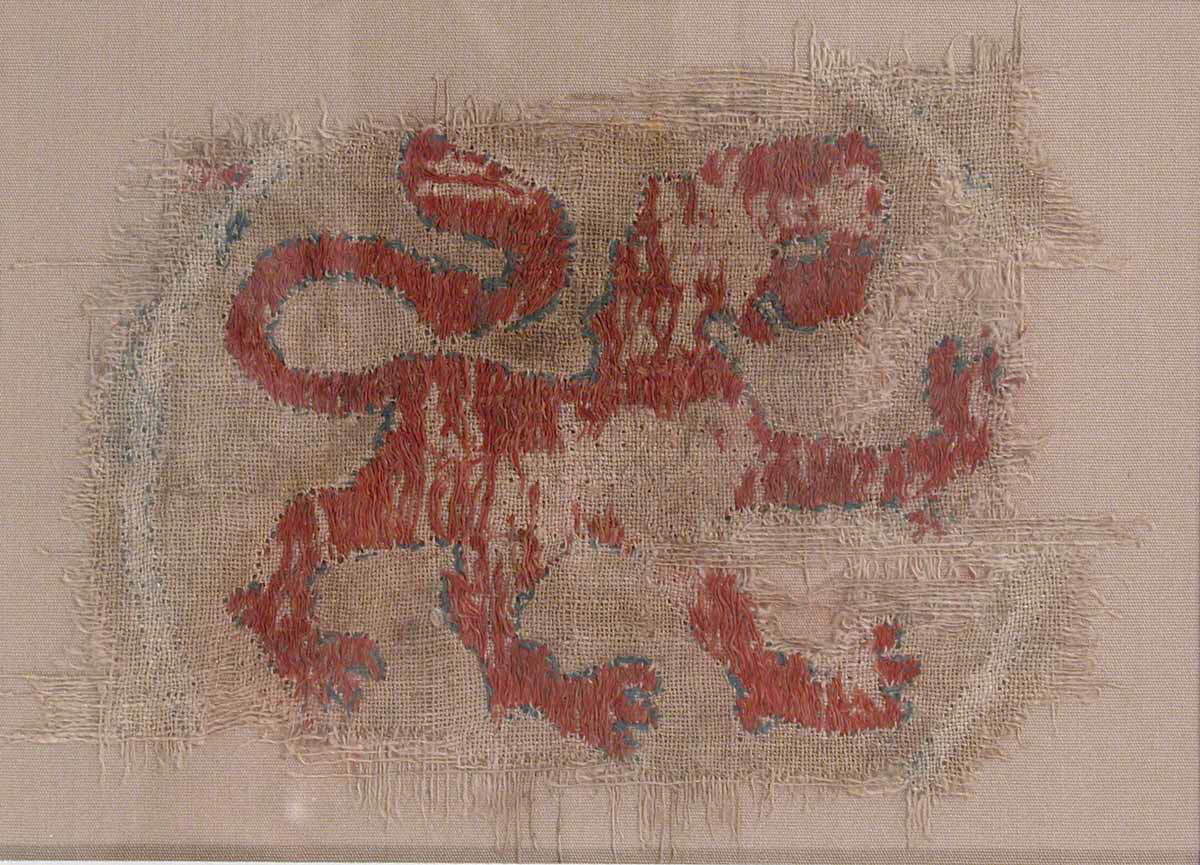
Heritage Analysis: The Blazon in Linen and Silk
Introduction: The Blazon as a Conduit of Power
The blazon, a term historically associated with heraldic devices and declarative symbolism, finds its most profound expression in the artifacts of ancient civilizations. For Katherine Fashion Lab, the subject of a blazon crafted from linen and embroidered with silk represents a strategic artifact of immense heritage value. This analysis examines the blazon not merely as decorative textile but as a coded system of symbolic power, historical adornment, and spiritual meaning. The research context is framed as a standalone investigation, intended to inform a 2026 high-end luxury strategy that leverages the blazon’s enduring authority.
Symbolic Power: The Language of the Blazon
In ancient civilizations—particularly within the dynastic cultures of Egypt, Mesopotamia, and the Indus Valley—the blazon functioned as a visual lexicon of authority. Unlike modern logos, which prioritize recognition, the ancient blazon was a repository of cosmic and temporal power. The choice of linen as a base material is significant: linen, derived from the flax plant, was associated with purity, light, and the divine. In Egyptian funerary contexts, linen was the fabric of mummification, symbolizing rebirth and eternal life. The blazon embroidered upon this sacred ground thus became a declaration of the wearer’s connection to the gods.
The silk embroidery, a later addition in certain ancient trade routes, introduced a layer of opulence and rarity. Silk was a material of imperial monopoly, often reserved for rulers and high priests. The contrast between the humble, organic linen and the luminous, imported silk created a dialectic of humility and transcendence. The blazon’s symbols—whether solar discs, winged serpents, or geometric abstractions—were not passive; they were believed to hold active power, capable of influencing fate, warding off malevolent forces, and legitimizing dynastic claims. For Katherine Fashion Lab, this suggests that the blazon can be recontextualized as a device of strategic authority, where each embroidered motif carries a weight of intention that transcends mere aesthetics.
Historical Adornment: The Blazon as Wearable Identity
Historically, the blazon was not confined to banners or shields; it was intimately woven into personal adornment. In ancient Mediterranean and Near Eastern cultures, garments bearing blazons were worn during rites of passage, coronations, and funerary ceremonies. The linen and silk blazon, in particular, served as a marker of social stratification. The embroiderer’s skill was itself a form of capital, and the blazon’s complexity indicated the wearer’s proximity to power.
Katherine Fashion Lab must recognize that the blazon’s historical role was to anchor identity in a chaotic world. Unlike contemporary fashion, which often celebrates ephemerality, the ancient blazon was designed for permanence. It was passed down through generations, its motifs accumulating layers of meaning. The linen base, while durable, also required meticulous care, reinforcing the idea that adornment was a sacred duty. For a 2026 luxury strategy, this implies a return to craftsmanship that values time-intensive processes. The blazon should not be mass-produced; rather, it should be commissioned or curated, with each piece telling a story of lineage and intention.
Furthermore, the blazon’s placement on the body—often over the heart, on the shoulders, or across the chest—aligned with spiritual centers. This was not arbitrary; it was a map of the soul. For modern high-end clients, the blazon can be reinterpreted as a bespoke emblem of personal mythology, where the wearer chooses symbols that resonate with their own heritage or aspirations.
Spiritual Meaning: The Blazon as Threshold
The spiritual dimension of the blazon is perhaps its most potent attribute. In ancient belief systems, the blazon was a threshold object—a mediator between the human and the divine. Linen, as a fabric of the earth, grounded the wearer, while silk, as a thread of the heavens, elevated the spirit. The act of embroidery was itself a form of ritual: each stitch was a prayer, a petition, or a declaration.
Specific motifs carried distinct spiritual connotations. For example, the Eye of Horus blazon in Egyptian contexts offered protection and royal authority. The Tree of Life blazon, common in Mesopotamian textiles, symbolized fertility and cosmic order. The Spiral, found in Indus Valley artifacts, represented the eternal cycle of creation and dissolution. When rendered in silk on linen, these symbols became talismans. The wearer was not simply adorned; they were armored with meaning.
For Katherine Fashion Lab, this spiritual dimension offers a profound differentiation in a luxury market saturated with material excess. The 2026 consumer, increasingly seeking authenticity and purpose, will resonate with a brand that honors the sacred origins of adornment. The blazon can be positioned as a modern amulet, a piece that offers not just beauty but resonance. This requires a shift in marketing language—from “statement piece” to “symbolic anchor.” The blazon should be presented as an object of contemplation, not just display.
2026 High-End Luxury Strategy: The Blazon as Heritage Asset
To translate this heritage analysis into a viable 2026 strategy, Katherine Fashion Lab must adopt a multi-layered approach that respects the blazon’s ancient roots while innovating for contemporary luxury consumers.
1. Curated Symbolism and Customization. The blazon’s power lies in its specificity. In 2026, Katherine Fashion Lab should offer a bespoke blazon service, where clients collaborate with heritage curators to select symbols from a library of ancient motifs. Each symbol would be accompanied by a research dossier explaining its historical and spiritual significance. This transforms the blazon from a product into a personal heritage artifact. The linen base could be sourced from sustainable, artisanal producers, while the silk embroidery would be executed by master embroiderers trained in traditional techniques. The result is a piece that carries the weight of history and the intimacy of personal narrative.
2. Limited Edition “Sacred Collections.” Leveraging the spiritual meaning, Katherine Fashion Lab can launch seasonal collections inspired by specific ancient blazon traditions—for instance, a “Solar Dynasty” collection based on Egyptian solar blazons, or a “Lunar Weave” series from Mesopotamian motifs. Each collection would be limited to a small number of pieces, creating scarcity and desirability. The marketing narrative would emphasize the ritual of creation, including behind-the-scenes documentation of the embroidery process, interviews with historians, and the philosophical underpinnings of the symbols.
3. Experiential Retail and Storytelling. The blazon’s spiritual and historical depth demands a retail environment that mirrors its significance. Katherine Fashion Lab should consider heritage salons—intimate spaces where clients can view original artifacts (replicas or loans from museum partnerships), attend lectures on ancient adornment, and participate in guided sessions to design their blazon. This elevates the purchase from a transaction to a rite of passage. The packaging should be equally deliberate: linen pouches or silk-lined boxes that echo the materiality of the blazon itself.
4. Strategic Collaborations with Cultural Institutions. To authenticate the blazon’s heritage, Katherine Fashion Lab should partner with museums, archaeological institutes, and cultural foundations. These partnerships could yield exclusive access to archival motifs, co-branded collections, and scholarly endorsements. For the 2026 consumer, such collaborations confer cultural capital—the assurance that their blazon is not a mere imitation but a continuation of a sacred lineage.
5. Sustainability as Spiritual Stewardship. The ancient blazon was created with respect for materials and processes. Katherine Fashion Lab can align this with modern sustainability imperatives. Linen, as a biodegradable and low-impact crop, and silk, as a renewable protein fiber, fit seamlessly into a narrative of responsible luxury. The brand can emphasize that each blazon is a pledge to preserve both cultural heritage and environmental integrity. This resonates deeply with the 2026 luxury consumer’s values of authenticity, longevity, and purpose.
Conclusion: The Blazon as a Bridge Across Time
The blazon in linen and silk is far more than an artifact of ancient civilization; it is a testament to humanity’s enduring need to declare identity, invoke the divine, and assert power. For Katherine Fashion Lab, this heritage analysis reveals a strategic pathway to differentiate in the high-end luxury market of 2026. By honoring the blazon’s symbolic power, historical role in adornment, and spiritual depth, the lab can create offerings that are not merely fashionable but meaningful. The blazon becomes a bridge across time, connecting the wearer to the wisdom of antiquity while anchoring them in the present. In a world of fleeting trends, the blazon offers permanence. In a culture of noise, it offers signal. For Katherine Fashion Lab, this is not just a product—it is a legacy.