Heritage Analysis: The Qur'an Manuscript as a Touchstone for Sacred Adornment and Luxury Strategy
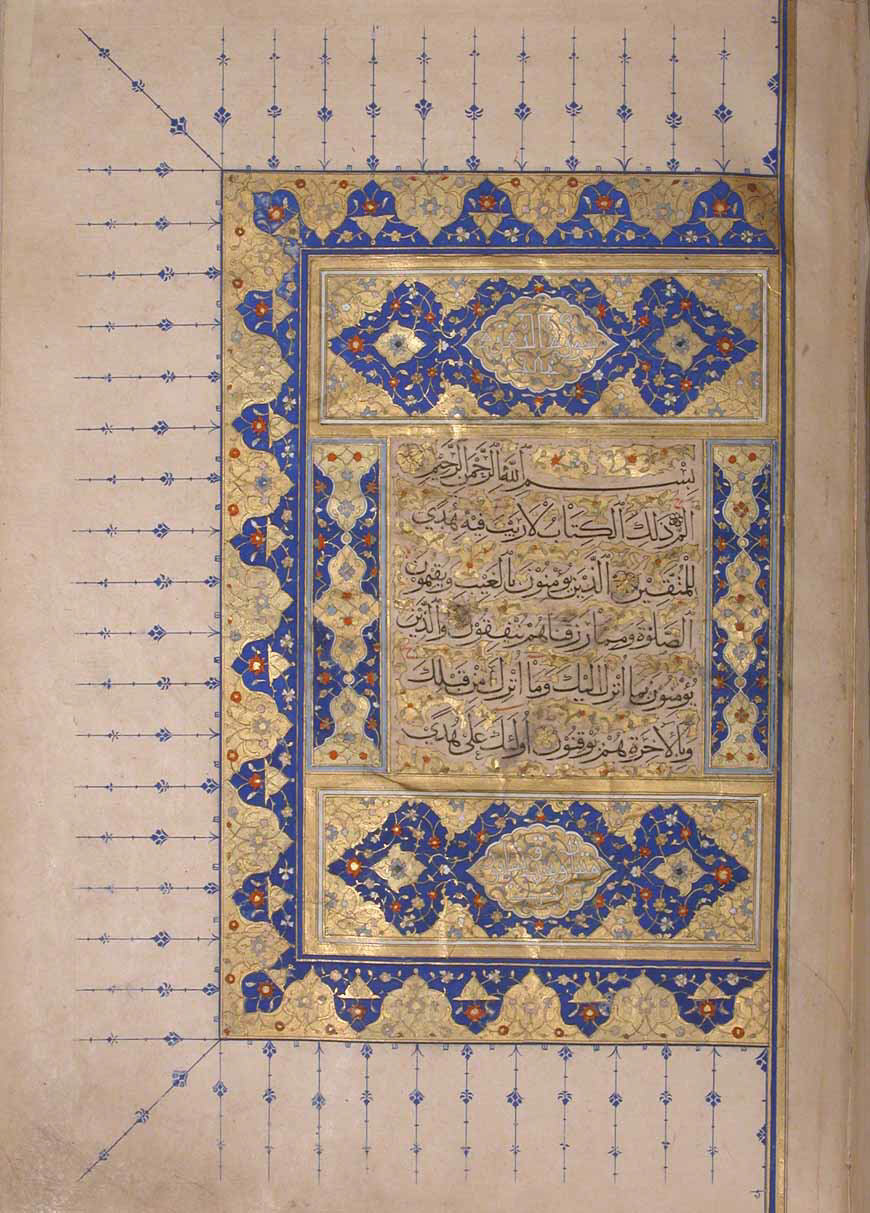
As Lead Heritage Curator for Katherine Fashion Lab, I present this strategic standalone research analysis of a Qur'an manuscript executed in opaque watercolor, ink, and gold on paper, with a gilt-stamped leather binding. This object, originating from an ancient civilization, represents a profound convergence of symbolic power, historical adornment, and spiritual meaning. Its material and conceptual architecture offers a unique template for high-end luxury strategy in 2026, particularly for brands seeking to transcend mere aesthetic appeal and embed deep cultural resonance into their product narratives. This analysis will deconstruct the manuscript’s heritage value and articulate a pathway for translating its sacred lexicon into a contemporary luxury framework.
Symbolic Power: The Manuscript as a Material Manifestation of the Divine
The Authority of the Written Word
The Qur'an manuscript is not merely a book; it is the physical embodiment of divine revelation. Its symbolic power derives from the Islamic belief that the text is the literal word of God, transmitted through the Prophet Muhammad. In this context, every element—from the calligraphic strokes to the gilded illuminations—serves as a vessel for the sacred. The opaque watercolor and ink are not passive mediums; they are active agents of transmission, transforming abstract divine speech into a tangible, venerated object. The gold used in the illuminations is not decorative in a secular sense; it is a material signifier of the celestial, a luminous threshold between the earthly and the divine. For a luxury brand, this principle of material as a carrier of meaning is paramount. In 2026, the most powerful luxury objects will be those that, like this manuscript, use their physicality to communicate a transcendent narrative—where the material itself becomes a form of sacred currency.
Hierarchy of Visual Language
The symbolic power of the manuscript is further articulated through a strict visual hierarchy. The calligraphy, often in styles like Kufic or Naskh, is the primary vehicle for meaning, while the geometric and floral arabesques serve as a secondary, meditative framework. The gilt-stamped leather binding acts as a protective, yet ornate, enclosure. This hierarchy mirrors the spiritual journey: the outer, tactile beauty leads the eye inward to the sacred text. For a high-end strategy, this suggests a layering of value. The external presentation—the packaging, the first touchpoint—must be as meticulously crafted as the product itself, guiding the consumer from the profane world into a curated, sacred experience.
Historical Adornment: Techniques as Testaments to Craftsmanship
The Art of Illumination (Tazhib)
Historical adornment in this manuscript is epitomized by tazhib, the art of illumination. The application of opaque watercolor and gold required extraordinary precision. Pigments were sourced from lapis lazuli, cinnabar, and other rare minerals, each chosen for its symbolic resonance and permanence. The gold was ground, mixed with a binder, and applied with a brush no thicker than a single hair. This technique was not merely decorative; it was a form of devotion. The act of illuminating a Qur'an was considered an act of worship, and the resulting radiance was believed to reflect the light of divine knowledge. For Katherine Fashion Lab, this historical context elevates the concept of artisanal mastery. In 2026, luxury consumers will increasingly seek objects that embody this level of sacred labor—where the time, skill, and spiritual intention invested in creation are as valuable as the final product.
The Gilt-Stamped Leather Binding
The gilt-stamped leather binding is another critical node of historical adornment. Leather was tooled, dyed, and then stamped with heated metal dies to create intricate geometric patterns, often incorporating gold leaf. This process, known as jeld-sazi in Persian traditions, transformed a functional cover into a work of art. The binding protected the sacred text while simultaneously announcing its importance through its tactile and visual richness. This dual function—protection and declaration—is a core tenet of high-end luxury. The object must be both a secure vessel for its content and a statement of its own significance. A modern application could be seen in limited-edition packaging or product cases that employ similar techniques, transforming the unboxing into a ritual of discovery.
Spiritual Meaning: The Manuscript as a Meditative Object
Recitation and Contemplation
The spiritual meaning of the Qur'an manuscript extends beyond its visual beauty. It is designed for tilawa (recitation) and tadabbur (contemplation). The spacing of the calligraphy, the use of gold to mark verse divisions, and the careful layout of the page all facilitate a meditative, rhythmic reading. The opaque watercolor and ink create a visual stillness that encourages focus. This object is not meant to be passively observed; it is meant to be engaged, recited, and internalized. For a luxury brand, this suggests a shift from static product to dynamic experience. In 2026, high-end strategy must prioritize objects that invite interaction, contemplation, and personal transformation. A fashion collection, for example, could be designed as a series of "verses" or chapters, each with its own material and symbolic language, encouraging the wearer to engage with the narrative over time.
Sacred Geometry and the Infinite
The geometric patterns in the manuscript's illuminations are not arbitrary. They are rooted in sacred geometry, representing the infinite nature of God. The repetition of circles, stars, and polygons creates a visual rhythm that mirrors the repetition of divine names in prayer. This use of geometry is a form of non-representational art that avoids idolatry while still conveying profound spiritual truths. For a luxury strategy, this principle of abstract symbolism is powerful. It allows a brand to embed deep meaning without being literal or culturally appropriative. A geometric motif can be sourced from this tradition and recontextualized to represent concepts like eternity, unity, or transcendence, without directly copying religious iconography.
2026 High-End Luxury Strategy: Translating Sacred Heritage into Contemporary Value
Material as Narrative: The New Gold Standard
For 2026, Katherine Fashion Lab should position gold and opaque watercolor not as mere materials, but as narrative devices. Gold, in the manuscript's context, is a symbol of the divine and eternal. In a luxury collection, gold can be used to signify moments of high importance—a single gilded seam, a hand-painted gold leaf motif on a garment, or a gold-threaded embroidery that catches light like a manuscript's illumination. The opaque watercolor technique can inspire a new palette of rich, mineral-based pigments for fabrics, where each color is sourced from natural, rare origins and named after its historical significance (e.g., "Lapis Royal," "Cinnabar Flame"). This creates a material story that resonates with consumers seeking authenticity and depth.
Ritualized Consumption: The Unboxing as Devotion
The manuscript's gilt-stamped leather binding offers a blueprint for packaging. In 2026, luxury should be defined by the ritual of acquisition. A product could be encased in a hand-stamped leather box, with a magnetic closure that opens with a deliberate, satisfying sound. Inside, the item might be presented on a bed of handmade paper, reminiscent of the manuscript's pages. The consumer's experience becomes a secular ritual—a moment of intentional reverence that mirrors the act of opening a sacred text. This elevates the purchase from a transaction to a transformative event.
Limited Edition and Artisanal Provenance
The manuscript is, by its nature, a unique object. Its value is derived from its singularity and the direct hand of the artisan. For 2026, a high-end strategy must embrace extreme exclusivity and provenance transparency. Each piece in a collection could be numbered and accompanied by a certificate detailing the artisan's name, the techniques used, and the historical inspiration. This creates a direct lineage to the manuscript's heritage, positioning the product as a contemporary artifact. The consumer is not just buying a garment; they are acquiring a piece of cultural history, reimagined for the present.
Sacred Geometry as a Design System
Finally, the manuscript's geometric patterns can be translated into a cohesive design system for the brand. These patterns can be used as a recurring motif across fabrics, hardware, and even store interiors. The key is to maintain the abstract, meditative quality of the originals. A pattern derived from a 12-point star, for example, can be applied to a silk scarf, a leather handbag, or the floor of a flagship boutique. This creates a visual language that is instantly recognizable and deeply symbolic, without being overtly religious. It positions the brand as a curator of timeless, universal principles of beauty and order.
Conclusion
The Qur'an manuscript, with its opaque watercolor, ink, gold, and gilt-stamped leather, is more than a historical artifact. It is a masterclass in symbolic power, historical adornment, and spiritual meaning. For Katherine Fashion Lab, it provides a rigorous framework for a 2026 luxury strategy that prioritizes material integrity, ritualized experience, and abstract symbolism. By translating the manuscript's sacred lexicon into a contemporary design language, the brand can offer consumers not just products, but objects of contemplation and transformation. This is the future of high-end luxury: the creation of tangible, sacred narratives that resonate with the soul of the consumer.