Assyrian Alabaster: Decoding the Semiotics of Power for a Modern Luxury Lexicon
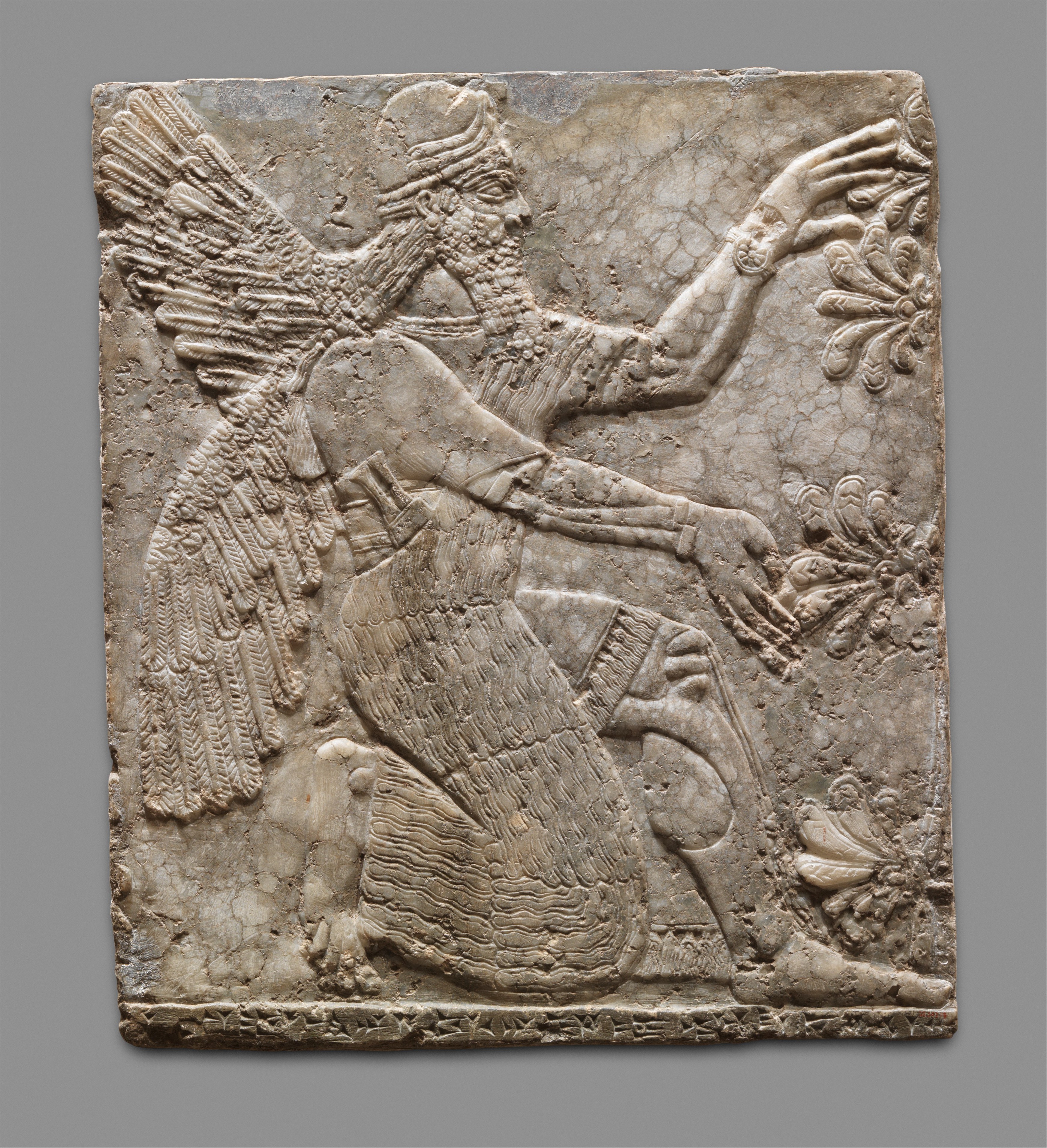
For Katherine Fashion Lab, heritage is not a static archive but a dynamic semantic field, a repository of coded meanings waiting to be translated into a contemporary language of desire. Our strategic standalone research into the Assyrian gypsum alabaster relief panel—specifically those depicting royal figures, genii, or ritual scenes from the palaces of Nimrud or Nineveh—reveals a profound archetype of constructed authority. This analysis deconstructs the panel’s embedded narratives of symbolic power, historical adornment, and spiritual meaning to formulate a foundational strategy for a 2026 high-end luxury collection that speaks to an era demanding authenticity, narrative depth, and unassailable authority.
Semiotics of Stone: The Architecture of Symbolic Power
The medium itself, gypsum alabaster, is the first cipher of power. Quarried from specific regions and laboriously transported, its very substance communicated control over resources and territory. Unlike fragile materials, alabaster’s translucency, when backlit, allowed for a divine glow, while its surface was a canvas for meticulously carved narratives. The relief technique—figures emerging from the stone—is a masterclass in boundary definition. It creates a hierarchy of presence: the king, in high relief, almost fully in our world; attendants and enemies, in lower relief or mere incision, belong to the stone. This is not mere decoration; it is a spatial rhetoric of dominance. For the modern luxury strategy, this translates into a philosophy of material intentionality. Every fabric, every textile innovation must carry this dual weight of inherent value (the alabaster) and narrative purpose (the carving). It suggests a 2026 collection built on "carved" silhouettes—architectural, definitive, creating a powerful silhouette against the world’s blank wall.
Adornment as Armor: The Regalia of Divine Mandate
Historical adornment in these panels is never frivolous; it is heraldic, functional, and theological. Examine the royal figure: the precisely rendered fringed shawl, the layered tunic, the bracelets, the dagger at the waist. Each element is a badge of office. The fringes are not merely decorative; they are symbolic of the ruler’s ordained status, their movement perhaps echoing the sacred. The jewelry—pectorals, armlets—often depicts protective deities and sacred trees, transforming the king’s body into a mobile temple. This is wearable sovereignty. For Katherine Fashion Lab, this provides a critical lens: adornment must return to its role as insignia. In a 2026 context, this means moving beyond overt branding to a more nuanced language of coded emblems. Embroidery can recall cuneiform patterns; fastenings can be engineered to recall the grip of a ceremonial weapon; layered garments can mirror the structured regalia, offering the wearer a sense of ceremonial preparation and protected identity. The collection must feel like a system, an integrated kit of power.
The Spiritual Circuit: Ritual, Hybridity, and Apotropaic Aesthetics
The spiritual meaning is the operational system behind the power. Panels frequently show the king engaged in ritual—libations or gestures before the Sacred Tree, flanked by apotropaic figures like the lamassu or the eagle-headed genii. These hybrid creatures (human-animal-eagle) are not monsters but guardians, embodiments of supernatural intelligence and protective force. Their repeated presence on walls creates a spiritual perimeter. This introduces the potent concepts of ritual hybridity and apotropaic aesthetics—design intended to ward off malign influence. For a 2026 luxury consumer navigating a complex, often chaotic world, the desire for garments that offer not just status but a sense of ritual integrity and spiritual safeguarding is paramount. Designs can incorporate symbolic hybrid motifs (a clasp shaped as a protective wing, a print derived from genii patterns) that function as modern talismans. The act of dressing can be framed as a daily ritual of self-consecration and boundary-setting, with each piece serving a role in a personal mythos.
Strategic Translation: The 2026 High-End Luxury Mandate
Translating this research into a competitive 2026 strategy requires moving from archeological analysis to avant-garde application. The market will be defined by hyper-digital saturation and a consequent craving for tactile, historical resonance and silent authority. Our collection, tentatively codenamed “The Relief Collection,” will be positioned as "Wearable Archaeology for the Future."
Pillars of the 2026 Strategy:
1. The Silhouette as Bas-Relief: Focus on sculptural tailoring. Fabrics will be engineered for "carvability"—structured wools, tech-felt, and molded textiles that hold a sharp, graphic line. Coats and jackets will have the dimensionality of a panel, with layered construction creating shadow and light play reminiscent of alabaster under torchlight.
2. Insignia over Logo: Develop a new symbolic language for the house. Inspired by Assyrian protective symbols and cuneiform, create a series of abstract motifs to be used in jacquards, embossed leather, and jewelry. These act as covert codes of belonging and protection, recognizable only to the initiated.
3. The Ritual of Craft: Emphasize techniques with a timeless, manual gravity: stone-setting in metals,浮雕刺绣 (relief embroidery), leather tooling. Each piece should feel like it required a dedicated, almost sacerdotal skill, echoing the master carvers of Nineveh.
4. Narrative Immersion: The launch will not be a traditional show. It will be an installation where garments are displayed in a environment mimicking the alcoves of an Assyrian palace, with controlled lighting to highlight texture. The storytelling will focus on the themes of construction, protection, and legacy.
Conclusion: From Nineveh to 2026
The Assyrian relief panel teaches us that ultimate luxury is the luxury of ordained authority—authority communicated through immutable material, symbolic adornment, and a seamless fusion with the spiritual realm. For Katherine Fashion Lab, this ancient source code provides a radically relevant blueprint. In 2026, success will belong to brands that offer not just products, but personal mythologies and armored identity. By transposing the semiotics of alabaster—its weight, its glow, its carved narratives—into a modern collection, we do not replicate history. We reactivate its deepest power: the power to define, protect, and project an identity that is both monumental and destined. This is the strategic stand we take.