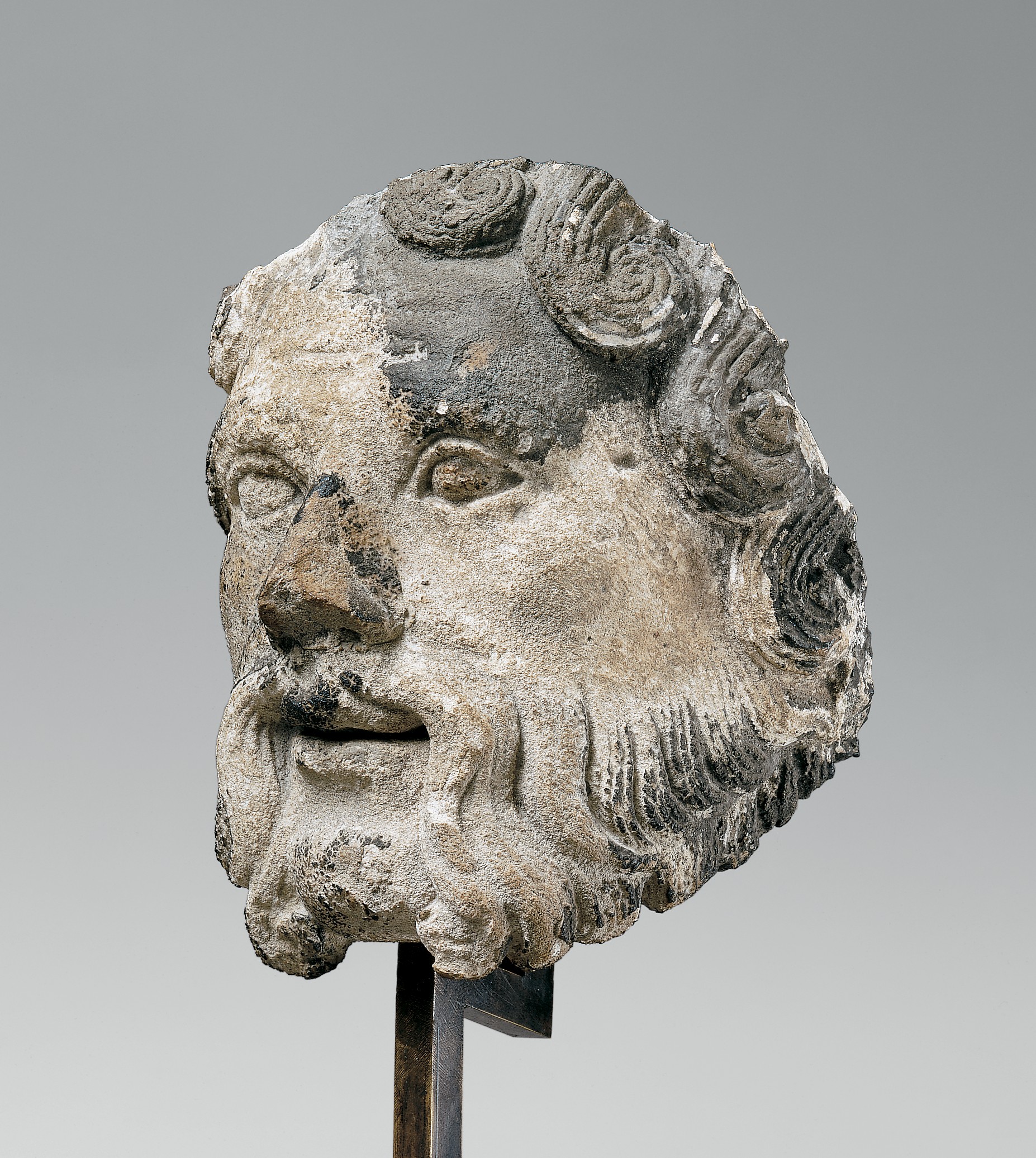
Heritage Analysis: Head of a Bearded Man (French, Limestone)
Introduction: The Artifact as a Strategic Asset
The Head of a Bearded Man, a French limestone sculpture dating from the Romanesque or early Gothic period, represents more than a fragment of ecclesiastical or secular art. As a subject of strategic standalone research for Katherine Fashion Lab, this artifact offers a profound lexicon of symbolic power, historical adornment, and spiritual meaning. In the context of 2026 high-end luxury strategy, this analysis decodes the head’s material, stylistic, and iconographic elements to inform a heritage-driven narrative that resonates with discerning clientele. The limestone medium, the beard’s deliberate carving, and the facial expression collectively serve as a blueprint for articulating authority, timelessness, and transcendence in luxury branding.
Symbolic Power: The Bearded Visage as Authority
The bearded man’s head is a testament to the symbolic weight of facial hair in medieval French culture. In Romanesque art, a beard often signified wisdom, patriarchal authority, or divine representation—frequently associated with Christ, apostles, or Old Testament prophets. The head’s frontal orientation and stern, contemplative gaze project an unyielding presence, suggesting a figure of governance or spiritual mediation. This symbolic power is not merely aesthetic but functional: the beard acts as a visual crown, framing the face to emphasize the subject’s status.
For Katherine Fashion Lab, this translates into a design philosophy where adornment becomes a marker of sovereignty. In 2026, high-end luxury will increasingly rely on archetypes of power—such as the “bearded patriarch”—to convey exclusivity and legacy. A strategic application could involve incorporating sculptural, beard-like motifs in jewelry or garment collars, using materials like polished limestone or onyx to echo the artifact’s permanence. The power here is not aggressive but authoritative, appealing to clients who seek luxury as a form of cultural capital.
Historical Adornment: Limestone as a Medium of Prestige
Limestone, while abundant in France, was a medium reserved for significant commissions—cathedral portals, tomb effigies, and royal monuments. The Head of a Bearded Man likely adorned a church facade or a cloister capital, where its placement elevated the viewer’s experience from the mundane to the sacred. The carving technique reveals meticulous attention to detail: the beard’s individual strands are rendered with rhythmic, chiseled lines, while the hair is stylized into geometric waves. This interplay of texture and form reflects a medieval understanding of adornment as both decorative and didactic.
From a historical adornment perspective, the head exemplifies how materiality defines value. Limestone’s durability ensured the artifact’s survival, but its porosity and warmth also made it a canvas for polychrome—traces of pigment suggest the head was once painted, adding a layer of sensory richness. For Katherine Fashion Lab, this invites a strategy of material storytelling. In 2026, luxury brands can revive the use of natural, unpolished stones in accessories, emphasizing their raw elegance. A limited-edition collection of cufflinks or brooches inspired by the beard’s texture, crafted from limestone or marble, could position the lab as a curator of historical authenticity. The lesson is clear: adornment must feel permanent, not disposable.
Spiritual Meaning: The Gaze Beyond the Material
Spiritually, the Head of a Bearded Man operates as a conduit between the earthly and the divine. In medieval theology, the face was the mirror of the soul, and the beard—often likened to a “garment of manhood”—signified moral maturity. The subject’s hollowed eyes, originally inlaid with glass or stone, would have caught candlelight, creating an illusion of life and spiritual presence. This apotropaic function—warding off evil and inviting blessings—imbued the artifact with protective power, making it a talisman for the community.
For high-end luxury in 2026, spiritual meaning must be recontextualized as emotional resonance. Clients are increasingly drawn to objects that offer solace, intention, or a sense of heritage. Katherine Fashion Lab can channel this by designing pieces that incorporate symbolic “gazes”—perhaps through cabochon gemstones or mirrored surfaces—that invite introspection. The beard itself can be abstracted into patterns that evoke protection, such as interlocking lines or knotwork, reminiscent of Celtic or Romanesque motifs. A fragrance line, for instance, could be named “Bearded Man,” with notes of limestone, incense, and myrrh, linking the artifact’s spiritual aura to luxury sensorial experiences.
2026 High-End Luxury Strategy: From Artifact to Archetype
The Head of a Bearded Man is not merely a historical curiosity; it is a strategic archetype for the future of luxury. As the market shifts toward heritage-driven exclusivity, Katherine Fashion Lab can leverage this artifact to create a cohesive narrative across product categories. The following strategic pillars emerge:
1. Sculptural Minimalism: The head’s clean lines and geometric beard stylization align with the 2026 trend toward architectural fashion. Designs should prioritize volume and negative space, using limestone-like textures in fabrics (e.g., bonded wool or resin-coated silks) to mimic the artifact’s weight. A ready-to-wear collection featuring structured shoulder lines and beard-like lapels could become a signature.
2. Color Palette of Eternity: The limestone’s natural gray-beige, combined with traces of ochre and azurite (from original polychrome), offers a restrained palette. For 2026, Katherine Fashion Lab can introduce a “Stone Series” of accessories—handbags, belts, and shoes—in these muted hues, with contrasting metallic accents (gold or bronze) to reference medieval gilding. This palette communicates permanence and sophistication.
3. Ritualistic Presentation: The artifact’s spiritual function suggests that luxury should be ritualized. In-store experiences could mimic a medieval treasury: dim lighting, limestone display plinths, and scented environments (frankincense and cedar). Each purchase could include a “blessing card” explaining the artifact’s symbolism, transforming the transaction into a rite of passage.
4. Collaborative Curation: Partnering with museums or heritage foundations (e.g., the Musée de Cluny) for exclusive reproductions or inspired designs would authenticate the narrative. A capsule collection titled “Tête d’Homme” could feature limited-edition items, such as a beard-shaped pendant in recycled silver, with proceeds supporting limestone conservation. This aligns with the luxury consumer’s desire for purpose and provenance.
Conclusion: The Beard as a Brand Imperative
The Head of a Bearded Man is a masterclass in how symbolic power, historical adornment, and spiritual meaning converge to create enduring luxury. For Katherine Fashion Lab, this French limestone artifact is not a relic but a roadmap. In 2026, high-end clients will seek brands that offer not just products, but narratives of authority and transcendence. By embracing the bearded visage as a design and strategic motif—through materiality, ritual, and archetypal storytelling—the lab can position itself at the intersection of heritage and innovation. The beard, once a sign of medieval wisdom, becomes a contemporary emblem of timeless luxury.