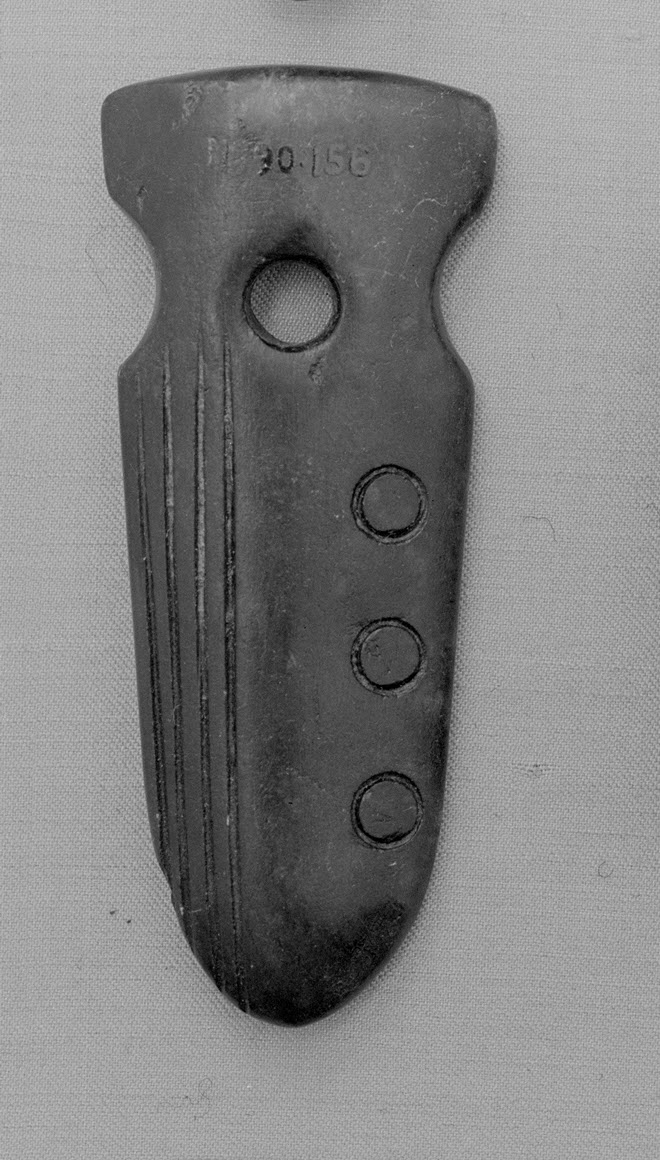
Heritage Analysis: The Jade Tongue Amulet – Symbolic Power and Strategic Luxury Positioning
In the lexicon of Chinese cultural heritage, the jade tongue amulet stands as a singularly potent artifact—a microcosm of spiritual belief, social hierarchy, and aesthetic refinement. For Katherine Fashion Lab, this object offers a profound opportunity to mine symbolic meaning for a 2026 high-end luxury strategy that bridges ancestral reverence with contemporary exclusivity. This analysis examines the amulet’s historical adornment context, its spiritual and symbolic power, and proposes a strategic framework for its integration into a luxury narrative that commands authority in the global market.
Historical Adornment and Material Significance
The jade tongue amulet, often referred to as a “tongue-shaped” or “lingual” pendant, was traditionally placed in the mouth of the deceased during burial rites in ancient China, particularly within the Han dynasty (206 BCE–220 CE). Carved from nephrite or jadeite—materials prized for their hardness, translucency, and perceived incorruptibility—the amulet served both a practical and metaphysical function. Jade, or yu, was considered the essence of heaven and earth, a stone that embodied the five cardinal virtues: benevolence, righteousness, wisdom, courage, and purity. The tongue, as an organ of speech and taste, was symbolically linked to the soul’s ability to communicate in the afterlife. By placing a jade tongue in the mouth, mourners sought to preserve the deceased’s voice and ensure their spirit could navigate the underworld with eloquence and dignity.
From an adornment perspective, the jade tongue amulet was not merely funerary; it also functioned as a talisman for the living. Historical records from the Zhou dynasty indicate that jade pendants worn on the body were believed to purify the wearer’s speech, guarding against lies and malicious gossip. The amulet’s form—often a flattened, oval shape with a subtle curve—mirrored the human tongue, yet its material permanence transcended biological decay. This duality—the ephemeral versus the eternal—is a cornerstone of its allure for luxury design. For Katherine Fashion Lab, the jade tongue amulet represents a heritage of silent authority: an object that speaks without sound, commanding respect through its material and symbolic weight.
Symbolic Power and Spiritual Meaning
The symbolic power of the jade tongue amulet is multilayered, intersecting with Chinese cosmology, Confucian ethics, and Daoist alchemy. At its core, the amulet embodies the concept of qi—the life force that flows through all things. Jade was believed to store and amplify qi, and the tongue, as a conduit for breath and speech, was a critical point for its regulation. In Daoist practice, the tongue is often pressed against the palate during meditation to circulate energy, making the amulet a tool for spiritual alignment. The amulet’s placement in the mouth during burial also reflects the belief that the deceased required a “key” to unlock the gates of the afterlife—a key made of jade, the stone of immortality.
Furthermore, the amulet’s symbolic power extends to social status. In imperial China, jade was reserved for the elite—nobles, scholars, and emperors—who used it to signal their connection to the divine. A jade tongue amulet, therefore, was not just a spiritual artifact but a marker of lineage and power. The act of wearing or possessing such an object implied a mastery of speech, a refinement of character, and a proximity to the celestial realm. This exclusivity is directly translatable to high-end luxury strategy: the amulet becomes a signifier of cultivated taste, accessible only to those who understand its heritage.
Strategic Framework for 2026 High-End Luxury
To leverage the jade tongue amulet for Katherine Fashion Lab’s 2026 luxury strategy, a multi-pronged approach is required—one that respects historical authenticity while innovating for contemporary appeal. The following strategic pillars are recommended:
1. Heritage Storytelling as Brand Currency: The amulet’s narrative must be framed as a mythology of voice and silence. In an era of digital noise, the jade tongue amulet offers a counter-narrative: the power of measured speech and intentional silence. Marketing campaigns should emphasize the amulet’s role in ancient burial rites as a protector of the soul’s voice, repositioning it as a modern talisman for clarity and authenticity. Use archival imagery from Han dynasty tombs, paired with minimalist photography that highlights the jade’s translucency. The tagline: “Speak with the weight of eternity.”
2. Material and Craftsmanship Exclusivity: Jade sourcing must be traceable and ethically certified, with a focus on rare nephrite from Xinjiang or jadeite from Myanmar. Each amulet should be hand-carved by master artisans, with a certificate of authenticity detailing the stone’s origin and the carver’s lineage. Introduce a limited-edition series of 100 pieces, each numbered and accompanied by a silk-bound monograph on jade symbolism. This scarcity aligns with the luxury market’s demand for artisanal uniqueness and investment-grade objects.
3. Spiritual and Wellness Integration: Position the amulet within the growing luxury wellness sector. Collaborate with Daoist meditation masters to create a ritual kit: the jade tongue amulet paired with a silk pouch, a guide to breathwork, and a jade roller for facial energy points. This transforms the amulet from a static ornament into a functional tool for energy alignment. Market it as a “spiritual heirloom” that bridges ancestral wisdom with modern self-care—a category now valued at over $1.5 trillion globally.
4. Cultural Authority and Collaborations: Partner with museums such as the Palace Museum in Beijing or the Shanghai Museum for exclusive reproductions of historical amulets. These collaborations lend institutional credibility and allow Katherine Fashion Lab to position itself as a custodian of cultural heritage. Additionally, engage Chinese scholars and feng shui masters to endorse the amulet’s spiritual efficacy, creating a halo of authenticity that competitors cannot replicate.
5. Pricing and Distribution Strategy: The jade tongue amulet should be priced at a premium—between $15,000 and $50,000 per piece—reflecting its material rarity and symbolic weight. Distribution should be limited to flagship stores in Shanghai, Paris, and New York, with private viewing appointments for high-net-worth clients. A digital “heritage passport” using blockchain technology can track the amulet’s provenance, appealing to collectors who value transparency and exclusivity.
Conclusion: The Amulet as a Strategic Asset
The jade tongue amulet is not merely a historical curiosity; it is a strategic asset for Katherine Fashion Lab’s 2026 luxury strategy. Its symbolic power—rooted in spiritual protection, social hierarchy, and material transcendence—offers a narrative of quiet opulence that resonates with discerning consumers seeking meaning beyond materialism. By honoring the amulet’s heritage while innovating for contemporary luxury, Katherine Fashion Lab can create a product that commands cultural authority, emotional resonance, and commercial success. In a market saturated with transient trends, the jade tongue amulet stands as a testament to the enduring power of heritage—a voice from the past that speaks directly to the future of luxury.