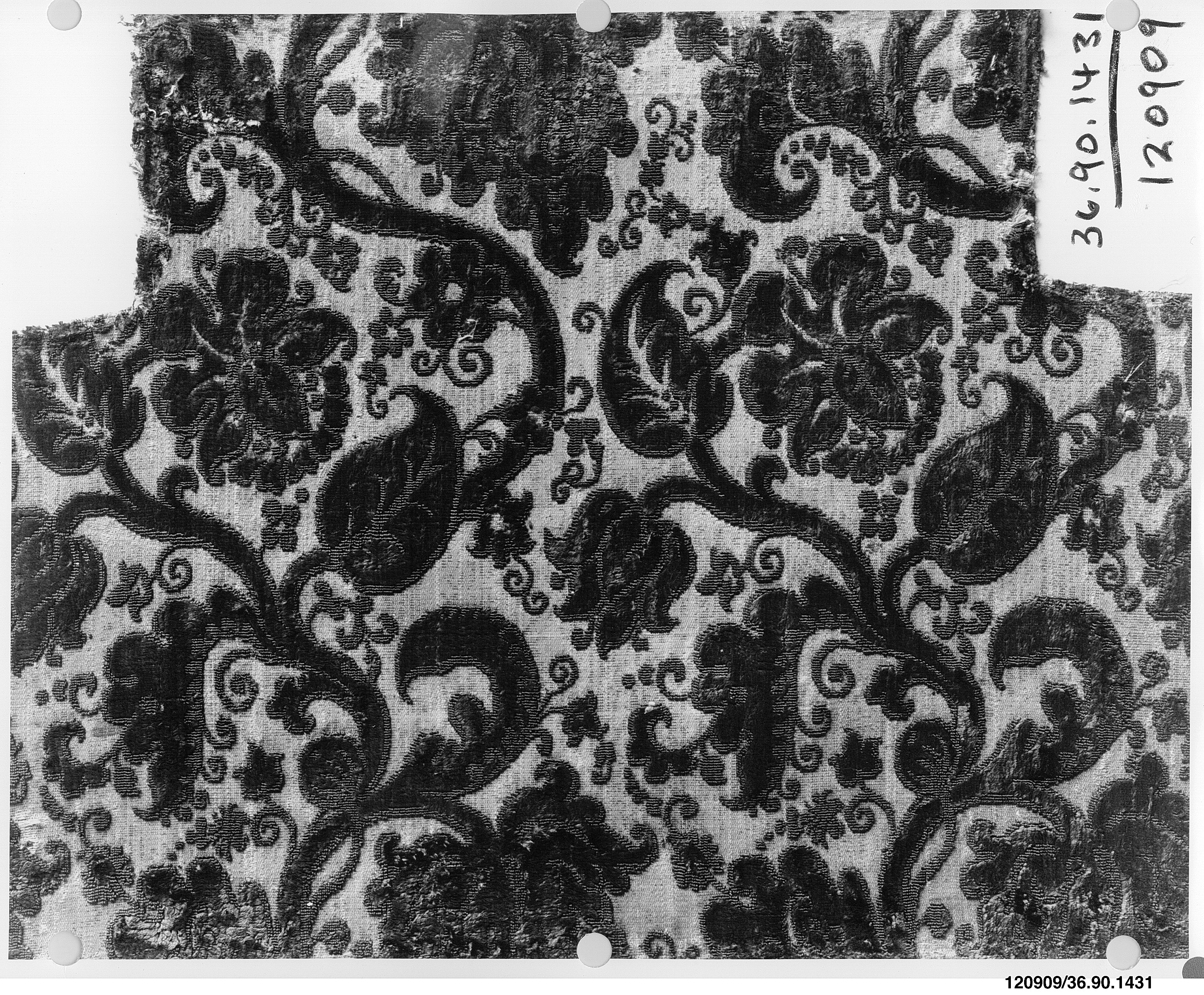
Deconstructing the Artifact: A Standalone Study in Silk and Metal
In the rarefied air of haute couture, where narrative often supersedes mere garment, the standalone piece exists as a profound manifesto. It is a concentrated thesis, unburdened by the demands of a full collection’s narrative arc, allowing for an unadulterated focus on material dialogue, technical extremity, and conceptual purity. This analysis examines such an artifact: a singular couture piece originating from a philosophy of Global Heritage, realized in the elemental contrast of silk and metal thread. We interrogate not a dress, but a wearable dialectic, where the ephemeral confronts the eternal, and the fluid memory of culture is embroidered into permanent, luminous form.
The Philosophical Foundation: Global Heritage as Method, Not Motif
The designation "Global Heritage" must be rigorously distinguished from superficial appropriation or pastiche. Here, it operates as a curatorial and methodological framework. It is not the replication of a specific traditional garment—be it a Chinese qipao, Indian sari, or Ottoman caftan—but the abstraction and re-synthesis of the structural and philosophical principles that underpin them. This piece engages with heritage as a living lexicon of techniques: the deliberate, meditative pace of hand-weaving, the symbolic language of ornamental motifs, the relationship between garment architecture and the body’s movement, and the cultural weight bestowed upon specific materials. The silk is not merely silk; it carries the legacy of the Silk Road, a historical network of exchange. The metal thread is not mere embellishment; it echoes the sacred metallurgy of global traditions, from Byzantine ecclesiastical vestments to Japanese kinshi weaving. The piece becomes a nexus where these timeless conversations converge into a new, non-specific, yet deeply resonant sartorial language.
Material Dialectics: Silk and Metal as Narrative Agents
The core of this study lies in the visceral and symbolic tension between its primary materials. Silk, particularly in a weighty habotai or duchess satin, represents the organic, the supple, the mortal coil. It drapes, flows, breathes, and decays. It is a material of skin, of softness, of impermanent beauty. Its very production is a cycle of life and transformation, from silkworm to sublime filament.
In stark contrast, the metal thread—whether fine gilt silver or a patinated copper alloy—embodies the inorganic, the rigid, the eternal. It is mined, smelted, and drawn. It seeks to defy time, to reflect light immutably, to impose structure. In their union, a powerful narrative is forged. The metal does not simply sit upon the silk; it interacts with it. The weight of the embroidery subtly distorts the silk’s fall, creating a unique, gravity-informed drape. The cold, hard metal, through the alchemy of craftsmanship, is made to follow the fluid curves of the silk substrate, creating a paradox of a liquid metal or a petrified fabric.
This dialectic extends to the tactile experience. The wearer moves through a sensory field of cool metal against warm skin, the whisper of silk interrupted by the faint, crystalline rustle of metallic fibers. The piece is designed not just to be seen, but to be heard and felt in motion, a direct reference to the ceremonial garments of countless cultures where sound and texture are integral to presence and power.
Technical Embodiment: The Hand as the Conduit of Heritage
The value of this couture artifact is overwhelmingly accreted through the millions of meticulous hand-stitches that bind its concept to reality. This is where Global Heritage transitions from theory to tangible practice.
Structural Embroidery: The metal thread is likely applied not merely as surface decoration but as a structural reinforcement, creating exoskeletal-like tracings that define the garment’s architecture. Techniques such as couching (where a thicker metal thread is laid on the fabric and stitched down with a finer one) or the perilous tambour beading (using a hook to chain-stitch metal links) would be employed. These methods, common to European, Asian, and Middle Eastern traditions, are democratized here into a unified technical vocabulary.
Motif as Abstracted Code: The embroidered patterns merit forensic attention. Are they geometric, recalling Islamic tile work or West African woven symbols? Are they flowing, abstracted florals, nodding to Chinese silks or Arts and Crafts movement aesthetics? The critical factor is their abstraction. They function as a cultural code, deliberately decipherable yet unassigned to a single nation. This invites the viewer to project their own heritage onto the forms, engaging in a personal act of semiotic interpretation. The placement of these motifs is equally strategic, perhaps following the body’s meridian lines or mapping an imaginary journey across continents, turning the garment into a cartographic canvas.
Context & Conclusion: The Standalone Piece as a Legacy Object
As a standalone study, this piece is liberated from commercial or seasonal constraints. It is not a "look" from a runway story but a self-contained universe. Its context is the white space of the atelier, the focused light of conservation, and the prolonged gaze of the connoisseur. It makes no attempt to be "wearable" in a conventional sense; its wearability is a ritual act, demanding a specific posture and consciousness from its occupant.
Ultimately, this analysis reveals the piece as a legacy object. It is a testament to the hand, a repository of global artisanal intelligence, and a physical argument for fashion’s capacity to operate as high cultural discourse. In its silent dialogue between the yielding silk and the adamant metal, between the abstracted ghosts of tradition and the assertive present of the cut, it proposes a future for couture. This future is one where heritage is not a museum to be plundered but a living, collaborative, and ever-evolving genome, patiently rewoven, stitch by luminous stitch, into a new, and profoundly resonant, form of beauty. It stands as a singular proposition: that the most forward-looking creation is often the one most deeply engaged in the eternal conversations of human making.