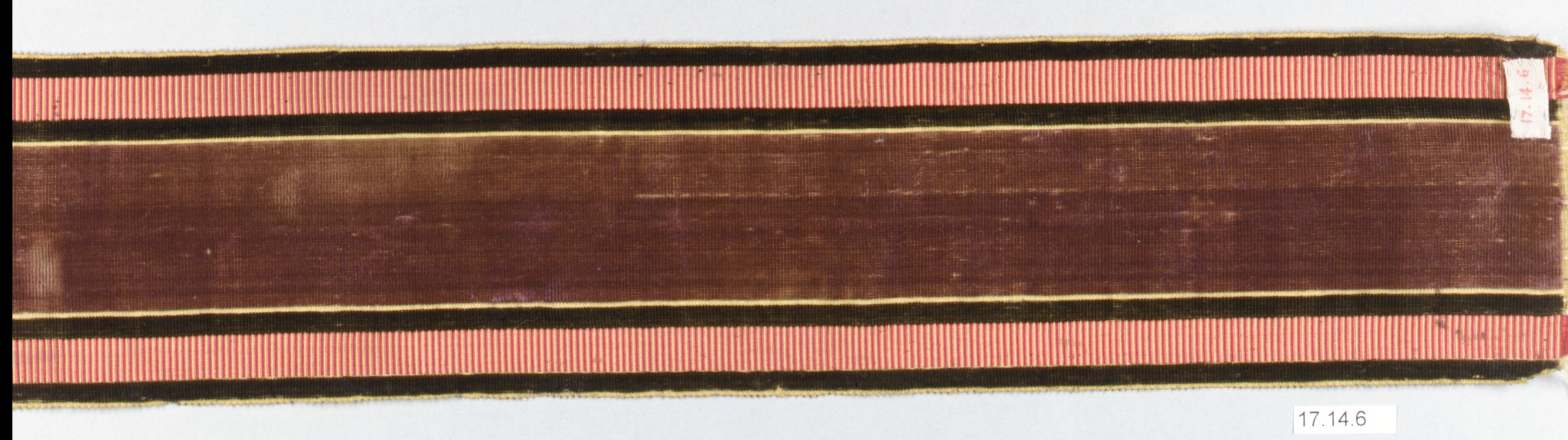
Heritage Analysis: The Ribbon in Velvet – From Ancient Civilization to 2026 Luxury Strategy
Executive Summary: The Ribbon as a Cultural Artifact
The ribbon, in its most elemental form, is a strip of fabric, yet its symbolic weight across ancient civilizations transcends its material simplicity. When rendered in velvet—a medium historically associated with royalty, divine connection, and opulent ritual—the ribbon becomes a powerful signifier of status, spirituality, and social cohesion. For Katherine Fashion Lab, this analysis positions the velvet ribbon not merely as a trim or accessory, but as a strategic heritage asset capable of bridging ancient symbolic power with 2026 high-end luxury consumer desires for authenticity, narrative depth, and transcendent experience.
Part I: Symbolic Power in Ancient Civilizations
Binding and Liberation: The Dual Nature of the Ribbon
In ancient Mesopotamia, Egypt, and the Indus Valley, ribbons were not decorative afterthoughts but functional symbols of binding and release. The act of tying a ribbon or cord signified a covenant—between humans, gods, or rulers and their domains. The Sumerian temenos (sacred precincts) often featured ribbons tied around sacred trees or statues, representing the binding of divine favor to the earthly realm. Conversely, the deliberate loosening or cutting of a ribbon symbolized liberation from earthly constraints, a motif later echoed in Roman triumphal ceremonies where ribbons were untied to mark the end of a campaign’s spiritual debt.
Velvet, however, was not a textile of these early eras. Its introduction in the ancient Near East (circa 2000 BCE) as a silk-like weave—later perfected in Byzantium—imbued the ribbon with a tactile richness that amplified its symbolic weight. The soft, dense pile of velvet mirrored the texture of sacred animal pelts, linking the wearer to primal, untamed power. For Katherine Fashion Lab, this duality—the ribbon as both a fetter and a key—offers a potent narrative for 2026 collections: pieces that “bind” the wearer to heritage while “freeing” them into modern identity.
The Ribbon as a Marker of Social Hierarchy
In ancient China, ribbons of specific widths, colors, and weaves denoted rank within the imperial court. The guan (official cap) often featured ribbons that cascaded down the back, their length and material—silk, later velvet for high-ranking officials—signaling the wearer’s proximity to the emperor. Similarly, in pre-Columbian Mesoamerica, Aztec and Maya elites wore ribbons of cotton and featherwork tied into their headdresses, with velvet-like textures reserved for priests and rulers. The ribbon thus functioned as a visual shorthand for authority, a language of power that required no written translation.
This hierarchical coding is directly transferable to 2026 luxury strategy. The velvet ribbon, when used in limited-edition accessories or as a signature closure on garments, becomes a “status ribbon”—a discreet but unmistakable signal of exclusivity. Katherine Fashion Lab can leverage this by developing a proprietary ribbon width and color palette (e.g., “Imperial Velvet Black” or “Sovereign Crimson”) that only appears on high-investment pieces, creating a lineage of ownership that echoes ancient courtly systems.
Part II: Historical Adornment and the Velvet Medium
From Byzantine Courts to Renaissance Splendor
The historical zenith of the velvet ribbon occurred in the Byzantine and Venetian eras, where velvet—imported from Persia and China—was a fabric of almost alchemical rarity. Byzantine empresses wore ribbons of velvet threaded with gold and pearls, tied around their waists or woven into their diadems. These ribbons were not mere adornments but apotropaic objects—believed to ward off evil spirits through their dense, uninterrupted surface. The ribbon’s edge, often fringed or scalloped, was thought to mimic the protective energy of a sacred boundary.
During the Italian Renaissance, the velvet ribbon evolved into a key element of all’antica (antique-style) adornment. Portraits by Titian and Bronzino show ribbons of black velvet contrasting against white ruffs, their deep absorption of light creating a visual gravity that drew the viewer’s eye to the wearer’s face. This technique—using velvet’s matte finish to frame luminosity—is a masterclass in strategic adornment. For Katherine Fashion Lab, the 2026 application is clear: velvet ribbons used as architectural elements—neckline bindings, sleeve cuffs, or waist cinches—that structure the silhouette while drawing attention to the wearer’s most expressive features.
Spiritual Meaning: The Ribbon as a Conduit
Across ancient traditions, ribbons served as conduits for spiritual energy. In Vedic rituals, ribbons of silk and velvet were tied around sacred fire altars, their ends left loose to carry prayers to the heavens. In ancient Egyptian funerary practices, ribbons of linen (and later, imported velvet for the elite) were wrapped around mummies, binding the soul to the body for the afterlife journey. The ribbon’s linear form symbolized the thread of life, a continuity between the temporal and the eternal.
Velvet’s tactile density amplifies this spiritual role. Unlike smoother fabrics, velvet holds light and shadow, creating a surface that seems to breathe—a quality that ancient cultures associated with the anima (soul) of the textile. For luxury consumers in 2026, who increasingly seek objects with perceived energetic or meditative properties, the velvet ribbon can be positioned as a “sacred binding”—a talismanic accessory that connects the wearer to a lineage of spiritual practice. Katherine Fashion Lab could develop a “Ritual Ribbon” collection, where each piece is tied with a specific intention (protection, clarity, prosperity) inspired by ancient ceremonial use.
Part III: 2026 High-End Luxury Strategy
Heritage as a Differentiator in a Saturated Market
The 2026 luxury landscape is defined by a consumer demand for meaningful provenance. As digital saturation increases, high-net-worth individuals seek tangible connections to history and craftsmanship. The velvet ribbon, when framed through this heritage analysis, becomes a strategic asset that differentiates Katherine Fashion Lab from competitors who treat ribbon as mere decoration. The brand can position the velvet ribbon as a heritage signature—a recurring motif that appears across collections, from ready-to-wear to home decor, each iteration referencing a specific ancient civilization’s symbolic language.
Strategic Applications for 2026
1. Limited-Edition “Covenant Ribbon” Accessories: Inspired by Mesopotamian binding rituals, these velvet ribbons—available in three widths (1 cm, 3 cm, 5 cm)—are sold as standalone pieces, each with a certificate of authenticity detailing the ancient civilization from which the design is drawn. The ribbon can be tied onto bags, worn as a choker, or used as a book bookmark, creating a personal, ritualistic interaction with the object.
2. Architectural Garment Construction: Velvet ribbons are integrated into garments as structural elements—corset lacing, shoulder straps, or hem finishes—that echo Byzantine courtly dress. Each ribbon is hand-dyed in a palette derived from ancient mineral pigments (e.g., Tyrian purple, ochre, lapis blue), with a proprietary “pile depth” that creates a distinct tactile signature.
3. Spiritual Ritual Kits: For the 2026 consumer interested in wellness and intentionality, Katherine Fashion Lab can launch a “Ribbon of Intention” kit, containing three velvet ribbons (each representing a different ancient spiritual tradition—Egyptian, Vedic, Mesoamerican) and a guide to tying them in sacred knots. This positions the brand at the intersection of luxury and spiritual practice, a growing market segment.
Conclusion: The Ribbon as a Strategic Heritage Asset
The velvet ribbon, when analyzed through the lens of ancient civilization, reveals itself as far more than a decorative trim. It is a carrier of symbolic power—binding, liberating, ranking, and connecting the material to the spiritual. For Katherine Fashion Lab, the 2026 strategy must treat this heritage not as a static reference but as a living vocabulary. By embedding the velvet ribbon into the brand’s DNA—as a signature motif, a ritual object, and a marker of exclusivity—the lab can offer luxury consumers a tangible link to the past while satisfying their desire for authenticity, craftsmanship, and transcendent experience. The ribbon is not an accessory; it is an inheritance.