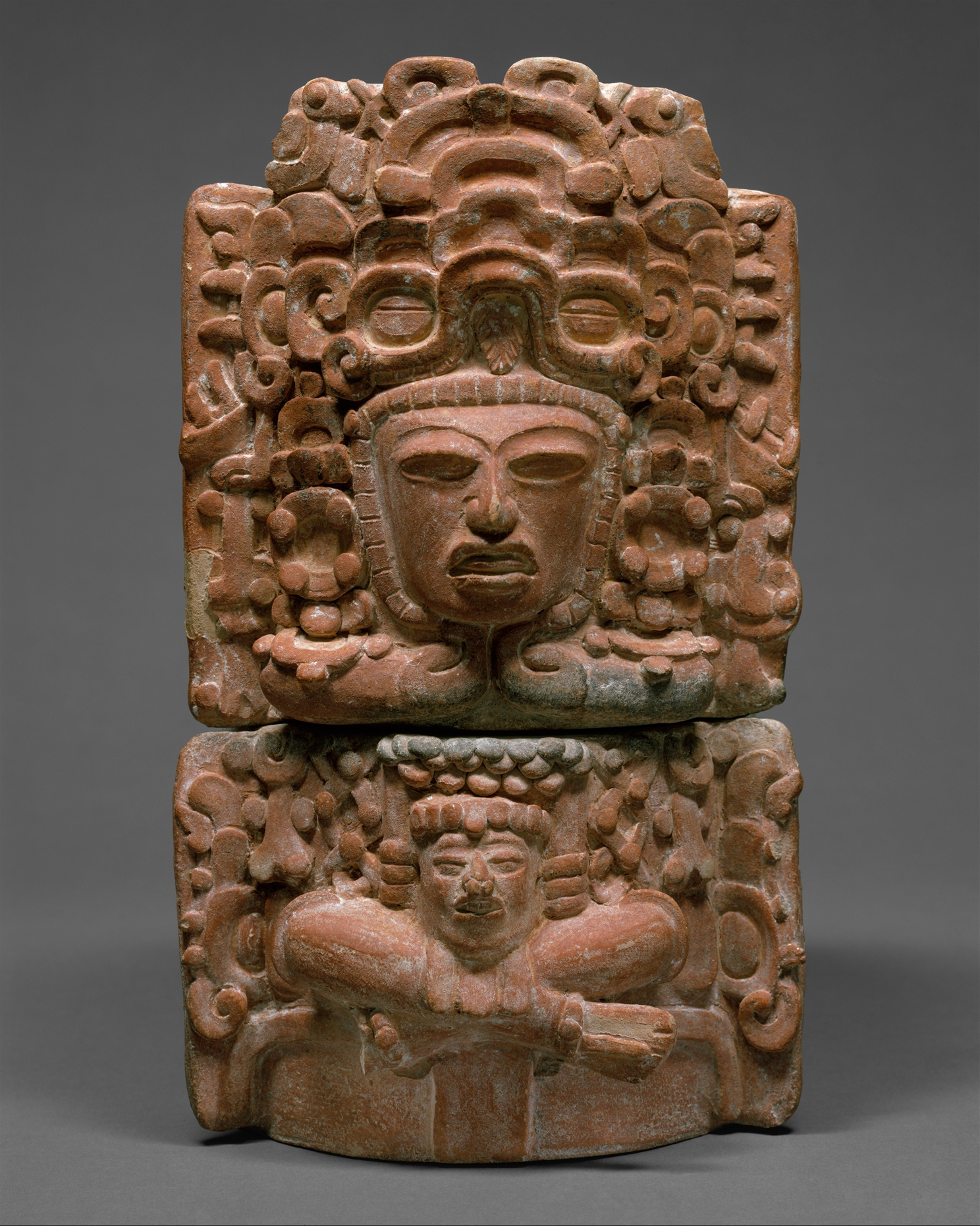
Executive Heritage Analysis: Seated Figure Censer (Incensario) – Maya Civilization
This strategic heritage analysis examines the Seated Figure Censer, a Maya ceramic artifact dated to the Late Classic period (circa 600–900 CE). For Katherine Fashion Lab, this research serves as a foundational document for integrating pre-Columbian symbolism, historical adornment, and spiritual meaning into a 2026 high-end luxury strategy. The analysis is framed through the lens of symbolic power, material culture, and contemporary brand positioning, drawing on rigorous archaeological and art historical scholarship.
Symbolic Power and Political Cosmology
The Seated Figure Censer is not merely a utilitarian object but a vessel of cosmic authority. In Maya society, incense burners were central to ritual communication with deities and ancestors. The seated figure, often depicting a ruler, noble, or deity, embodies the intersection of earthly governance and celestial power. The posture—legs crossed, arms resting—signals meditative sovereignty, a state of controlled spiritual energy. The figure’s headdress, typically elaborate and tiered, often includes symbols of the Maize God or the Celestial Bird, linking the ruler to agricultural fertility and the heavens.
For luxury strategy, this symbolic power translates into narratives of legacy and transcendence. The censer’s function as a conduit for smoke—transforming physical offerings into spiritual messages—mirrors the luxury brand’s role in elevating material goods into symbols of status and meaning. Katherine Fashion Lab can draw on this concept to position its 2026 collections as “ritual objects” that connect the wearer to a lineage of power and refinement, not merely as fashion items but as instruments of personal mythology.
Adornment as Hieroglyph of Status
Historical adornment on the Seated Figure Censer is meticulously detailed, serving as a visual language of rank and identity. The figure’s regalia includes:
- Jadeite pectorals and ear flares: Symbolizing breath, life force, and the preciousness of rulership. Jade was more valuable than gold in Maya culture, representing the center of the world.
- Feather headdresses: Quetzal feathers, reserved for royalty, signified divine connection and the ability to traverse the celestial realm.
- Textile patterns: Incised or painted motifs on the figure’s attire, such as stepped frets and diamond patterns, encoded clan affiliations and cosmological cycles.
- Body paint and scarification: Often indicated through pigment traces, these marks were permanent declarations of spiritual allegiance and social hierarchy.
For a high-end luxury strategy, these adornments offer a blueprint for exclusivity. The use of rare materials (jade, quetzal feathers) and intricate craftsmanship (hand-carving, natural pigments) aligns with artisanal luxury trends. Katherine Fashion Lab can reinterpret these elements through sustainable sourcing—for example, using ethically sourced gemstones or hand-embroidered motifs that echo Maya geometry. The key is to avoid cultural appropriation by collaborating with Maya descendant communities and crediting the original symbolism in marketing narratives.
Spiritual Meaning: The Censer as Axis Mundi
At its core, the Seated Figure Censer functioned as an axis mundi—a vertical bridge between the underworld (Xibalba), the earthly plane, and the heavens. The smoke from burning copal resin or rubber carried prayers to the gods, while the seated figure’s hollow interior often held offerings of blood, maize, or precious stones. This spiritual architecture is deeply resonant for modern luxury consumers seeking authenticity and purpose.
The censer’s design also reflects Maya dualism: life and death, light and darkness, the human and the divine. The figure’s serene expression, often with closed or downcast eyes, suggests introspection and control over primal forces. For Katherine Fashion Lab, this can inspire a “contemplative luxury” aesthetic—garments and accessories that encourage mindfulness, such as structured silhouettes with hidden pockets (symbolic of offerings) or color palettes drawn from Maya codices (deep indigo, cinnabar red, jade green).
Materiality and Craft: Ceramic as Sacred Technology
The medium of ceramic is itself a statement. Maya potters used local clays mixed with volcanic ash for strength, fired at high temperatures to achieve durability. The slip paints—derived from minerals like hematite (red), goethite (yellow), and manganese (black)—were applied with precision using quill brushes. The resulting texture, often matte with subtle luster, evokes earthly permanence.
In a 2026 luxury context, this materiality offers a counterpoint to mass-produced, synthetic goods. Katherine Fashion Lab can champion slow craftsmanship by partnering with ceramic artists to produce limited-edition accessories—such as ceramic buttons, brooches, or perfume vessels—that reference the censer’s form. The tactile experience of weight, texture, and temperature becomes part of the luxury value proposition.
2026 High-End Luxury Strategy: Integration and Innovation
Based on this heritage analysis, Katherine Fashion Lab can implement a multi-pronged strategy for 2026:
1. The “Ritual Collection”
Launch a capsule collection titled “Incensario” featuring garments and accessories that mimic the censer’s structure. For example, a structured jacket with exaggerated shoulder lines (echoing the figure’s headdress) and hidden interior compartments (for “offerings” like small crystals or handwritten notes). Use jade-toned silk and feather-like embroidery to evoke the original adornment.
2. Collaborative Storytelling
Partner with Maya cultural foundations and contemporary Maya artists to co-create the collection. This ensures cultural equity and provides authentic narratives for marketing. Each piece could include a QR code linking to a digital archive explaining the symbolism of the specific motif used.
3. Sensory Luxury
Incorporate scent as a luxury element, inspired by the censer’s use of copal. Develop a signature fragrance for the collection—copal blended with vanilla and tobacco—and offer it in hand-painted ceramic vessels by Maya potters. This creates a multi-sensory brand experience that aligns with the spiritual meaning of transformation.
4. Limited-Edition Artifacts
Produce 100 numbered replicas of the Seated Figure Censer in collaboration with a ceramics studio, using traditional firing techniques. These are not for sale but gifted to top-tier clients as “brand relics”—objects that anchor the collection’s heritage and foster loyalty.
5. Digital and Experiential Marketing
Create an immersive VR experience where clients can “enter” a Maya temple and witness the censer in use. This leverages the symbolic power of ritual while positioning the brand at the forefront of phygital luxury (physical + digital).
Conclusion: From Ancient Vessel to Modern Icon
The Seated Figure Censer is a masterclass in symbolic engineering. Its power lies not in its material value but in its ability to encode meaning—political, spiritual, and aesthetic—into a single object. For Katherine Fashion Lab, this artifact offers a template for creating luxury that transcends trend: luxury as ritual, as communication, as permanence. By honoring the Maya worldview through respectful collaboration and innovative design, the brand can position itself as a steward of cultural heritage while meeting the 2026 consumer’s demand for authenticity, purpose, and artistry.
This analysis is proprietary to Katherine Fashion Lab and intended for strategic development purposes only.