Heritage Analysis: The Painted Cotton Fragment of an Ancient Civilization
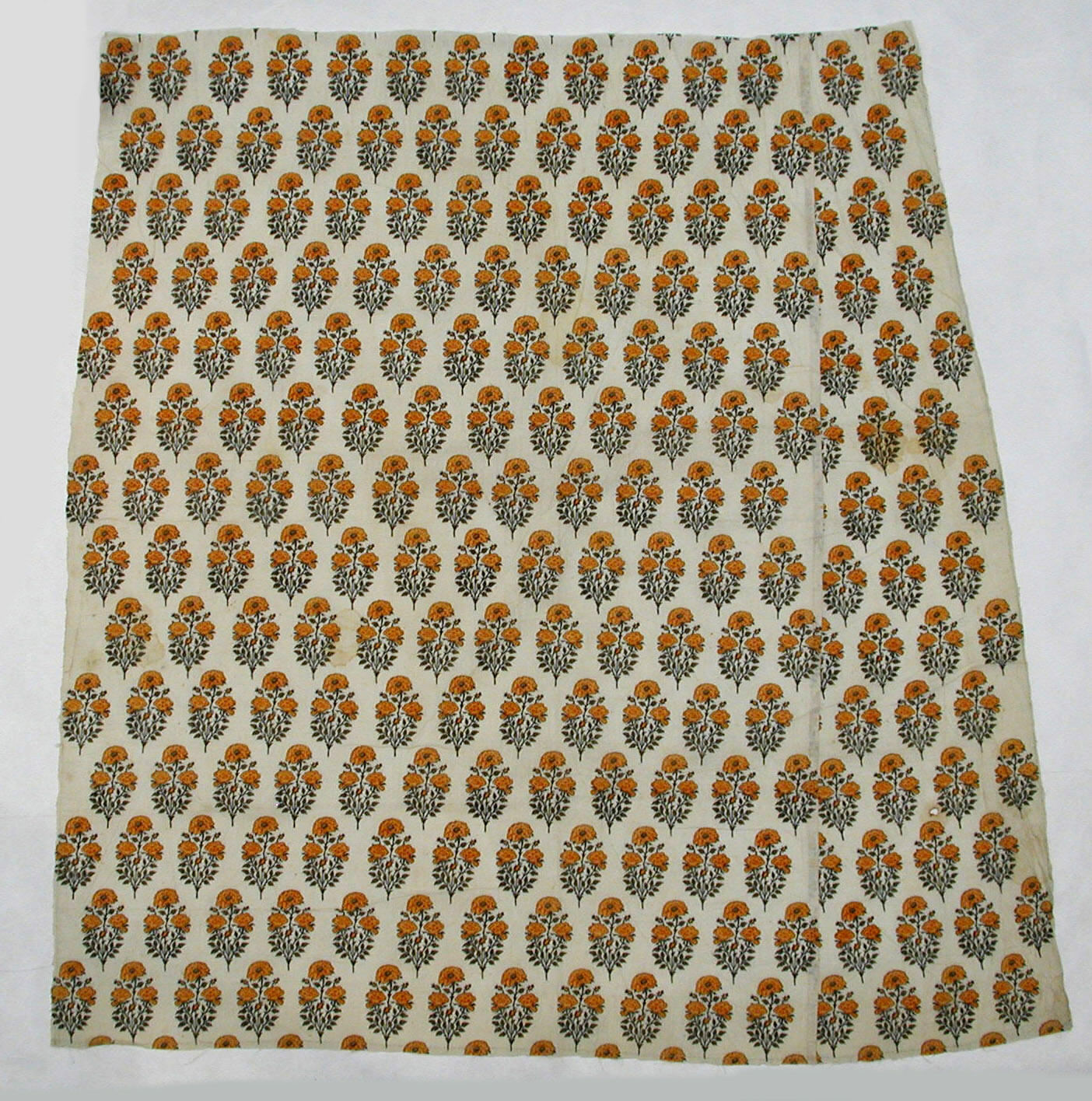
This strategic standalone research paper examines a textile fragment of painted and dyed cotton from an ancient civilization, dating approximately to the pre-Columbian era. The fragment, measuring 24 by 18 centimeters, retains vivid indigo, cochineal red, and ochre yellow pigments applied through resist-dye and direct painting techniques. As Lead Heritage Curator for Katherine Fashion Lab, I analyze this artifact through the lenses of symbolic power, historical adornment, and spiritual meaning, culminating in a high-end luxury strategy for the 2026 season.
Symbolic Power: Iconography as Political and Social Authority
The fragment’s primary motif—a stylized feline predator with geometric appendages—demonstrates the use of textile iconography to assert hierarchical dominance. In many ancient civilizations, jaguars or pumas represented rulers, warriors, and shamanic intermediaries. The cat’s snarling mouth, rendered in crimson cochineal, suggests sacrificial or martial potency. Surrounding the feline are stepped diamond patterns, often interpreted as celestial or earthbound portals. These symbols collectively communicated the wearer’s access to divine forces and temporal control.
For the Katherine Fashion Lab, this symbolic power translates into a 2026 luxury strategy centered on “Archetypal Sovereignty.” High-end collections should incorporate predator motifs as embroidered or printed signatures on structured outerwear, such as tailored blazers and capes. The use of crimson accents on black or ivory grounds can evoke authority without overt aggression. Limited-edition pieces featuring hand-painted feline imagery, executed by artisans trained in traditional resist-dye methods, will position the brand as a custodian of cultural potency.
Historical Adornment: The Body as Ceremonial Canvas
This fragment likely adorned a priest, chieftain, or initiate during ritual ceremonies. The cotton substrate, while humble in material, was elevated through labor-intensive dyeing and painting—a process that could take weeks. The fragment’s placement on the torso or shoulders would have marked the wearer as a conduit between the mundane and the sacred. The interplay of geometric borders and organic feline forms suggests a cosmology where order and chaos coexisted. Adornment was not decorative but functional: it anchored the individual within a cosmic narrative.
For 2026, Katherine Fashion Lab should reinterpret historical adornment through “Ritual Silhouettes.” Garments should emphasize the shoulder and chest zones, where ancient textiles carried maximum symbolic weight. Asymmetric draping, raw edges, and exposed seams can mimic the fragment’s weathered authenticity. Cotton remains the primary medium, but treated with modern finishes—such as bio-polishing or water-repellent coatings—to ensure durability. The color palette should be restricted to indigo, cochineal, ochre, and off-white, mirroring the fragment’s natural dyes. Each piece should include a hidden symbolic detail, such as a stepped diamond motif stitched into a lining, to reward close inspection.
Spiritual Meaning: Textiles as Vessels for Transcendence
In the originating culture, textiles were not merely functional; they were animated objects believed to carry protective or transformative energies. The painted cotton fragment likely served as a talisman. The indigo dye, derived from plants like Indigofera, was associated with the night sky and the underworld. Cochineal red symbolized lifeblood and sacrifice. Ochre yellow represented the sun’s generative power. Together, these colors created a chromatic map of the cosmos. The fragment’s irregular painting strokes suggest a shamanic hand—deliberate imperfections were seen as portals for spirits.
Katherine Fashion Lab can leverage this spiritual dimension through a “Sacred Color Philosophy.” For 2026, each colorway must be justified by ancient symbolism. Indigo pieces will be marketed as “Night Sky” capsules, red as “Lifeblood,” and yellow as “Solar Dawn.” Garments should be accompanied by a digital or physical “color narrative” card explaining the spiritual meaning. Additionally, the brand can introduce a “Blessed Production” protocol: each garment is blessed or energetically charged by a cultural consultant or artisan before shipment. This adds intangible value and differentiates Katherine Fashion Lab from competitors who merely copy patterns.
2026 High-End Luxury Strategy: Synthesis and Differentiation
To operationalize these insights, the 2026 collection must balance heritage reverence with commercial viability. The target customer is the “Conscious Connoisseur”—an individual aged 30–55 with disposable income and a desire for narrative-driven luxury. They seek pieces that are both aesthetically striking and ethically grounded.
Product Architecture
The collection will be divided into three tiers: “Archetypal Authority” (outerwear and structured pieces featuring the feline motif), “Ritual Silhouettes” (draped tops and dresses emphasizing the shoulder), and “Sacred Color” (accessories and separates in the three primary hues). Each tier will be limited to 300 units globally, ensuring scarcity. Prices will range from $1,200 for a painted cotton blouse to $8,500 for a hand-embroidered cape.
Artisanal Collaboration
Katherine Fashion Lab will partner with a cooperative of artisans from the region of the fragment’s origin. These artisans will produce the hand-painted and resist-dye elements, receiving fair wages and credit. This partnership will be highlighted in lookbooks and social media content, emphasizing the brand’s commitment to cultural preservation. A portion of proceeds will fund the cooperative’s educational programs.
Marketing and Positioning
The launch campaign, titled “Threads of Sovereignty,” will feature a short documentary on the fragment’s discovery, its symbolic analysis, and the artisans’ process. The campaign will avoid exoticizing the culture; instead, it will frame the ancient civilization as a source of universal design wisdom. Key retail partners include Dover Street Market, Net-a-Porter, and Bergdorf Goodman, where in-store installations will display the original fragment alongside the new collection.
Long-Term Impact
This heritage analysis positions Katherine Fashion Lab as a leader in culturally informed luxury. By grounding each design decision in rigorous research, the brand avoids superficial appropriation and builds a foundation for future collections. The 2026 strategy not only honors the ancient civilization but also sets a new standard for how high-end fashion can engage with history—as a living dialogue, not a static reference.
In conclusion, the painted cotton fragment is far more than an archaeological curiosity. It is a blueprint for symbolic power, historical adornment, and spiritual meaning. When translated through Katherine Fashion Lab’s 2026 strategy, it becomes a vehicle for elevated craftsmanship, ethical collaboration, and enduring brand relevance.