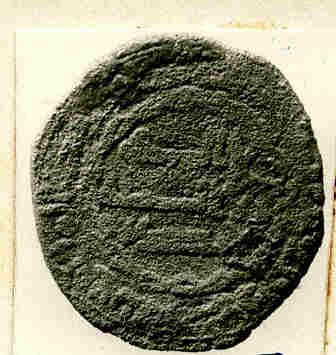
Executive Heritage Analysis: The Copper Coin as a Symbolic and Strategic Artifact
Katherine Fashion Lab is uniquely positioned to leverage the profound cultural and symbolic resonance of the copper coin from ancient civilizations. This analysis, conducted under the Strategic Standalone Research framework, examines the coin’s historical, spiritual, and adornment significance, and translates these insights into a targeted luxury strategy for 2026. The copper coin, far from being mere currency, was a vessel of power, a talisman of fortune, and a medium of artistic expression. Its integration into high-end fashion represents a sophisticated dialogue between heritage and modernity.
Symbolic Power: The Coin as a Token of Authority and Exchange
From Sovereign Stamp to Status Emblem
In ancient civilizations—from the Lydian Empire to Han Dynasty China—the copper coin was a direct extension of sovereign authority. The stamped insignia, often featuring a ruler’s profile, a deity, or a dynastic symbol, transformed a simple piece of metal into a legally sanctioned instrument of power. For Katherine Fashion Lab, this symbolic power translates into a narrative of exclusive access and curated prestige. A copper coin motif, rendered in fine jewelry or as a hardware detail on a handbag, signals that the wearer is part of an elite lineage—one that values both historical depth and contemporary influence.
The Economics of Scarcity and Value
Copper’s intrinsic value, while less than gold or silver, was amplified by its role in daily commerce and ritual. The coin’s power lay in its dual function: as a medium of exchange and a store of cultural memory. In a 2026 luxury strategy, this duality can be harnessed through limited-edition releases and narrative-driven collections. Each piece bearing a copper coin design should be presented as a “talisman of exchange”—a symbol of the wearer’s ability to navigate and command value in both social and economic spheres.
Historical Adornment: Copper Coins in Ancient Fashion and Personal Decoration
Wearable Wealth and Protective Ornamentation
Archaeological evidence from ancient Greece, Rome, and the Indus Valley reveals that copper coins were frequently repurposed as pendants, belt buckles, and hair ornaments. They were not merely currency but also amulets of protection, believed to ward off evil spirits and attract prosperity. The act of wearing a coin was a statement of personal wealth and spiritual readiness. For Katherine Fashion Lab, this historical precedent offers a rich design vocabulary: coin-shaped medallions, coin-embellished cuffs, and coin-integrated clasps that echo ancient craftsmanship while meeting modern ergonomic standards.
Patina as a Marker of Authenticity and Time
Copper’s natural oxidation process produces a distinctive green patina, which ancient cultures revered as a sign of age, wisdom, and authenticity. Unlike gold’s unchanging luster, copper tells a story of transformation. In a luxury context, embracing patina as a design feature—rather than a flaw—aligns with the 2026 trend toward honest materials and sustainable luxury. Katherine Fashion Lab can offer “living” pieces that evolve with the wearer, each patina pattern unique, creating an intimate bond between artifact and owner.
Spiritual Meaning: The Coin as a Vessel of Cosmic and Mundane Power
Ritual Significance and the Afterlife
In ancient Egyptian, Greek, and Roman funerary practices, copper coins were placed on the eyes or in the mouths of the deceased as payment for the ferryman to the underworld. This spiritual transaction imbued the coin with profound metaphysical weight. For the modern luxury consumer, a coin-inspired accessory can serve as a personal memento mori—a reminder of life’s transience and the value of authentic experience. Katherine Fashion Lab can position such pieces as meditative objects, encouraging reflection and intentionality in an age of digital distraction.
Feng Shui and Prosperity Beliefs
In East Asian traditions, copper coins (often with square holes) are strung together as feng shui cures to attract wealth, harmony, and protection. The round shape symbolizes heaven, while the square hole represents earth—a microcosm of cosmic balance. Incorporating this geometry into jewelry or bag hardware offers a subtle yet powerful layer of spiritual meaning. A 2026 collection could feature coin-motif closures or stackable rings that allow the wearer to customize their own “prosperity chain.”
2026 High-End Luxury Strategy: Translating Heritage into Market Leadership
Material Innovation and Ethical Sourcing
Copper’s resurgence in high-end fashion is already visible in brands like Bottega Veneta and Loewe, which use copper-toned hardware for its warm, organic feel. Katherine Fashion Lab can differentiate by sourcing recycled or responsibly mined copper and collaborating with artisans who specialize in ancient metalworking techniques such as repoussé and granulation. This aligns with the 2026 luxury consumer’s demand for traceability and craftsmanship.
Narrative-Driven Product Architecture
Each product in the “Coin” lineage should come with a digital heritage card that maps the coin’s historical journey—from ancient mint to modern atelier. This could include a QR code linking to a short film or AR experience that shows the coin’s symbolic evolution. The strategy is to transform a physical accessory into a portable museum piece, appealing to the intellectually curious luxury buyer.
Pricing and Exclusivity Framework
Copper-based pieces should occupy a mid-to-high price tier, positioned as accessible luxury with deep symbolic value. Limited “Archaeological Edition” runs of 100 pieces per design can command a premium, with each piece numbered and accompanied by a certificate of authenticity. The patina evolution should be marketed as a value-accruing feature—the longer the piece is worn, the more unique and valuable it becomes.
Retail and Digital Experience
In flagship stores, copper coin displays can be integrated into interactive installations where customers learn about ancient minting processes. Online, a “Coin of the Month” subscription model could offer small, curated copper accessories (e.g., keychains, earrings) with accompanying historical narratives, building a community of heritage-conscious collectors.
Conclusion: The Coin as a Strategic Asset for Timeless Luxury
The copper coin, stripped of its monetary function, reveals itself as a multidimensional artifact of power, beauty, and spirit. For Katherine Fashion Lab, its integration into 2026 collections is not a trend but a strategic reclamation of meaning in an industry often driven by novelty. By honoring the coin’s ancient roots while innovating in materiality, narrative, and experience, the brand can establish a new standard for heritage-inspired luxury—one where every piece carries the weight of history and the promise of personal transformation.